


The Italian antipasto board is much more than a simple appetizer platter: it's an invitation to share, a way to set the table even before the meal begins. With the arrival of spring and large Easter gatherings, this convivial format naturally stands out as the ideal prelude. But you still need to know how to compose it so that it is generous, balanced, and authentically Italian.
In Italy, the aperitivo is a ritual deeply rooted in meal culture. It's not just about snacking while waiting to eat, but about creating an atmosphere, sparking conversation, and awakening the senses. To elevate this moment, a drizzle of organic green fruity olive oil on fresh burrata or marinated vegetables is sometimes enough to transform an ordinary board into a memorable experience.
The foundations of a successful Italian antipasto board
Cured meats and cheeses: the essential duo
Italian cured meats are the cornerstone of any respectable antipasto board. Prosciutto di Parma, coppa, salami, bresaola: each variety brings a different texture and intensity. For a balanced board, plan for three to four types of cured meats and estimate about 80 to 100 grams per person. For cheeses, aim for variety: aged Parmesan for its crystallized notes, creamy Gorgonzola for those who enjoy strong flavors, fresh mozzarella di bufala, and Pecorino for a rustic touch from Southern Italy.
Breads and bases: grissini, focaccia, and bruschetta
To complement this duo, pitted black olives in extra virgin olive oil are a natural accompaniment. Their mild flavor and melting texture create a pleasant contrast with the firmness of aged cheeses. Arrange them in a small dish in the center of the board for easy serving.
Condiments and spreads: the soul of the board
Bases are often underestimated, yet they play an essential role in the balance of an Italian antipasto board. Grissini, these thin, crispy breadsticks from Turin, are a must-have: they allow you to elegantly wrap a slice of prosciutto or dip them into a spread. Herb focaccia, cut into small triangles, provides a soft base that absorbs oils and condiment juices. A few slices of bruschetta-style toasted bread complete the ensemble.
On these bruschetta, DOP basil pesto with olive oil spreads generously. Made from DOP Genoese basil, it brings a herbaceous freshness that awakens the taste buds and heralds the flavors of spring. Plan for approximately 150 grams of various breads and crackers per person for a dinner antipasto board.

Condiments and spreads: the soul of the board
While cured meats and cheeses form the body of the board, condiments are its soul. They create surprise, invite exploration, and give each bite an extra dimension. Tapenades, pestos, sun-dried tomatoes, marinated artichokes, capers: Italian gastronomy abounds with condiments that transform a simple piece of bread into a culinary journey.
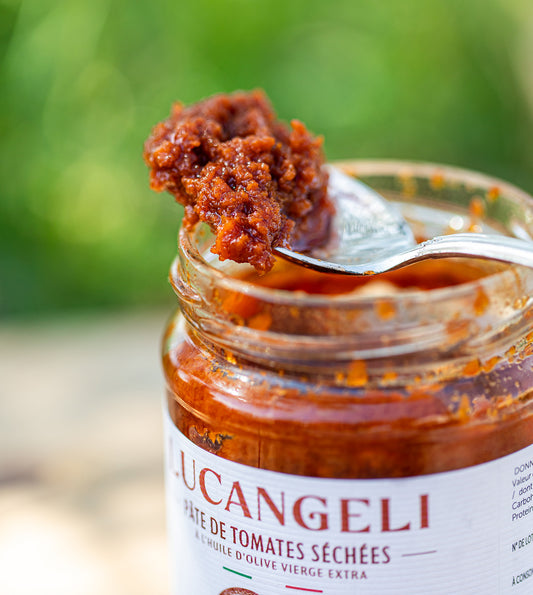
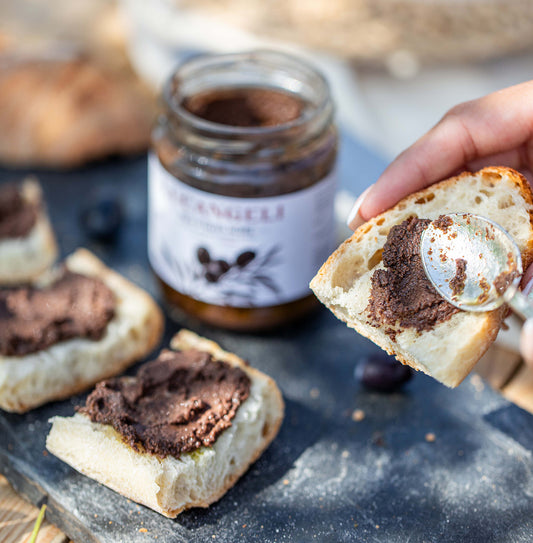
The black olive tapenade with extra virgin olive oil offers a deep aromatic intensity, ideal for accompanying a hard cheese. The sun-dried tomato spread, meanwhile, brings a concentrated and sunny sweetness, perfect on bruschetta or with mozzarella. For those who want to offer several spreads without complicating things, the set of 4 tapenades is a practical solution to vary flavors and satisfy all palates around the table.
How to organize and present your antipasto board
Choosing the base and arranging the elements
The presentation of an Italian antipasto board contributes as much to the pleasure as the products themselves. Opt for an olive wood platter or a slate for an authentic and warm look. The most effective method is to start by positioning the cheeses, spacing them well, then arranging the cured meats in rosettes or elegant folds around them. Then fill the spaces with condiments, olives, and fruits.
A drizzle of Gold Collection IGP balsamic vinegar on a piece of Parmesan or Gorgonzola is a simple gesture that makes all the difference. Its balance between sweetness and acidity enhances aged cheeses and creates a classic pairing in Italian gastronomy. Also remember to alternate colors: the golden hues of Parmesan near the reds of salami, the greens of olives contrasting with the whites of mozzarella.

Quantities and timing: preparing in advance
For a successful antipasto board, timing is important. Take the cheeses and cured meats out of the refrigerator about 30 minutes before serving: the aromas develop better at room temperature. For 4 to 6 people, plan for 400 to 500 grams of cured meats, 300 to 400 grams of various cheeses, and about a hundred grams of condiments and spreads.
For grilled vegetables or burrata, a drizzle of organic ripe fruity olive oil just before serving brings an aromatic roundness that ties everything together. This type of oil, with notes of ripe fruit and sweet almond, pairs particularly well with fresh cheeses and seasonal vegetables.
The Italian antipasto board in spring: seasonal variations
Spring flavors to incorporate
Spring offers a palette of fresh produce that revitalizes the Italian antipasto board. Lightly blanched white or green asparagus, fresh shelled fava beans, crunchy radishes, multicolored cherry tomatoes: these seasonal vegetables bring freshness and color. As for fruits, the first seasonal strawberries create a surprising sweet-and-savory contrast with prosciutto or pecorino.
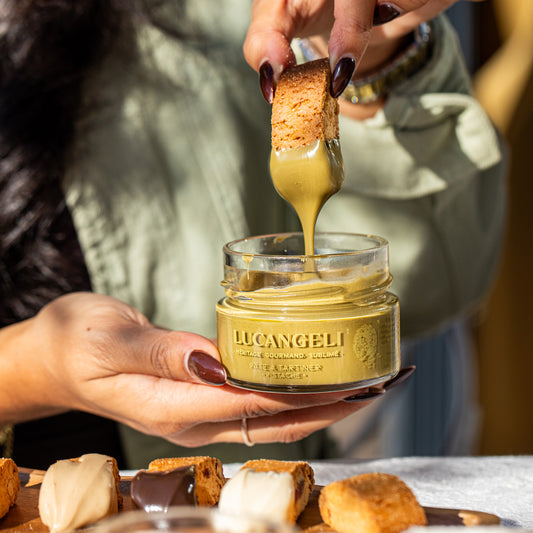
For an original and gourmet touch, the pistachio spread without palm oil makes an unexpected sweet condiment on the board. Paired with a piece of fresh cheese or spread on a grissini, it brings a sweet and slightly toasted note that pleasantly surprises guests.
The antipasto board for Easter and family meals
Easter meals and large family gatherings in spring are ideal occasions to offer a generous Italian antipasto board. In this context, double the quantities and multiply the varieties to create a true feast of appetizers. The board then becomes a moment in itself, where everyone helps themselves according to their desires before sitting down to the main meal.
To offer the essentials of a beautiful Italian board to a loved one, the customizable gift box allows you to select the products that best suit the person's tastes. It's a gourmet and personalized gift idea, perfect for Easter or the upcoming Mother's Day.
Conclusion
Composing a successful Italian antipasto board is above all a question of balance: between textures, flavors, colors, and the origins of the products. Quality cured meats, varied cheeses, local condiments, and crispy bases form the four pillars of a platter that invites sharing. By choosing authentic products from the Italian terroir — characterful olive oils, artisanal tapenades, DOP basil pesto — you give each board an identity and generosity that make all the difference.




 lucangeli.it