


Spring is arriving and with it, the desire for sunny and delicious meals. To bring a touch of Italy to your dishes, there's nothing like a good DOP basil pesto. But how do you choose a quality pesto? What criteria should you consider to ensure you're enjoying an authentic and flavorful pesto? Discover our tips for choosing your basil pesto and fully enjoying its flavors.
The ingredients of a true Pesto alla Genovese

To choose a good basil pesto, it is important to know the ingredients that make up this emblematic sauce of Italian cuisine. Traditionally, a Pesto alla Genovese is composed of seven ingredients: basil, extra virgin olive oil, pine nuts, cheese (Parmesan or Pecorino), garlic, salt, and pepper. Knowing these basic ingredients is the first step in assessing the quality of a pesto.
Basil, the king ingredient
Basil is the main ingredient of basil pesto, and it is crucial to choose it fresh and of high quality. For this, nothing is better than growing it yourself or sourcing it from a local producer. If you buy basil from a supermarket, make sure it is firm and bright green, a sign of freshness. Avoid pre-chopped basil, which tends to quickly lose its flavor. A DOP basil pesto guarantees the use of certified basil of protected origin, grown according to traditional methods.
Extra virgin olive oil, a decisive choice

Olive oil is an essential ingredient in the preparation of basil pesto. It provides texture and flavor to the sauce. For a quality pesto, it is recommended to use extra virgin olive oil, obtained by cold pressing olives. Choose a green fruity organic olive oil for a more potent tasting pesto, or a ripe fruity organic olive oil for a softer and more balanced result. The quality of the olive oil used in a commercial pesto is often the first indicator of its overall quality.
Other ingredients: pine nuts, cheese, garlic
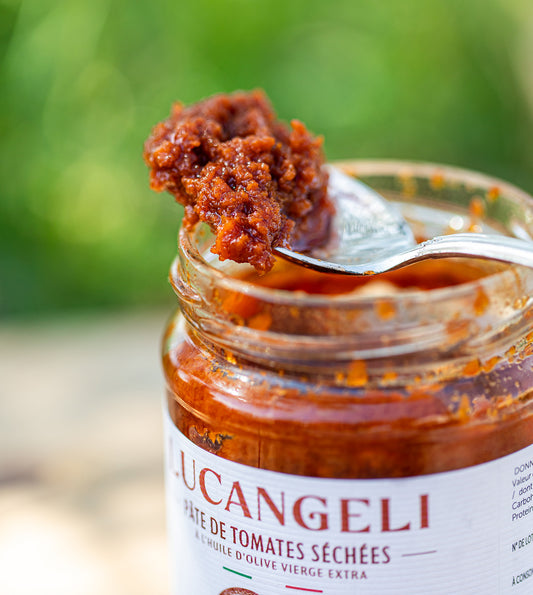
Pine nuts are often used in the preparation of Pesto alla Genovese to add texture and taste. They should be lightly toasted to reveal all their flavors. As for the cheese, it is usually Parmesan or Pecorino, grated finely for better incorporation into the pesto. Finally, garlic is an indispensable ingredient to give character to the sauce. Be careful not to add too much so as not to mask the other flavors. These simple and noble ingredients are the signature of an authentic artisanal pesto, similar to Italian spreads like sun-dried tomato tapenade which value each local ingredient.
How to read the label of a commercial pesto
If you don't have time to prepare your own basil pesto, you can easily find it commercially. But how can you be sure to choose a quality pesto? Here are the essential elements to check on the label. As with any quality condiment—whether it's a Gold Collection IGP balsamic vinegar or an olive oil—transparency about the ingredients is a sign of seriousness.
The order of ingredients, a key indicator
When reading a pesto label, the order of ingredients is an important indicator of product quality. Ingredients are listed in descending order of quantity. If the first ingredient is not basil but sunflower oil or a thickener, it means that basil is present in a small proportion, which alters the flavor and quality of the pesto. A good DOP basil pesto should list basil and extra virgin olive oil at the top of the list.
DOP and IGP labels, guarantees of quality
The DOP (Denominazione di Origine Protetta) and IGP (Indicazione Geografica Protetta) labels are certifications granted to quality Italian food products that comply with traditional production methods specific to a region. For basil pesto, looking for the DOP label guarantees the authenticity of the basil used and adherence to the traditional Genoese recipe. These labels are the same ones that certify other exceptional products such as the organic olive oil trio, where each bottle reflects a specific terroir and expertise passed down through generations.
Additives to avoid
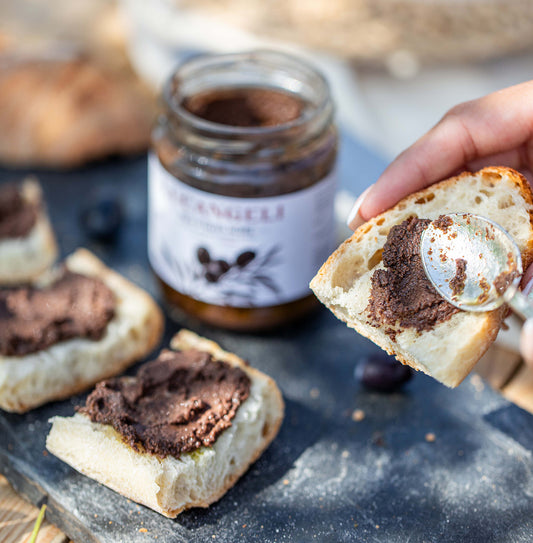
Some commercial pestos contain additives such as preservatives, colorings, or thickeners. It is best to avoid them to fully enjoy the authentic flavors of basil pesto. Opt for pestos with as few additives as possible, or none at all. This logic applies to all quality condiments: black olive tapenade or the set of 4 artisanal tapenades, for example, contain only natural ingredients, without superfluous additions.
How to use basil pesto in spring cooking
Spring is the ideal season to enjoy basil pesto and its fresh, sunny flavors. With the arrival of the first seasonal vegetables and Easter meals on the horizon, pesto establishes itself as a versatile and gourmet condiment. Here are some ideas for using it in cooking and bringing a touch of Italy to your dishes.
The classics: pasta, bruschetta, vegetables
Pasta with basil pesto is a great classic of Italian cuisine. For a simple and delicious dish, simply cook pasta al dente, then mix it with DOP basil pesto and a little cooking water to obtain a creamy sauce. You can also use pesto as a base for bruschetta, spreading it on toasted bread and adding fresh tomatoes and mozzarella. Finally, basil pesto goes wonderfully with grilled or salad vegetables, to add a touch of Mediterranean freshness.
Original pairings for Easter and seasonal meals
For Easter and spring meals, basil pesto can be incorporated into more elaborate recipes. Added to a marinade for fish, tucked under the skin of poultry before roasting, or used as a sauce to accompany asparagus and artichokes, it brings a unique aromatic dimension. For a successful festive aperitif, combine it with sun-dried tomato tapenade and a few olives for a colorful and convivial Italian platter.
Pesto as a table condiment
Finally, basil pesto can be used as a table condiment, just like black olive tapenade or other Italian spreads. Offered at the table during an aperitif or a festive meal, it encourages conviviality and sharing. To offer a gourmet assortment for Easter or a spring meal, a customizable gift box combining quality pesto, tapenades, and olive oils is both an original and refined idea.
In summary, choosing a good basil pesto relies on a few simple criteria: noble ingredients listed at the top of the label, quality extra virgin olive oil, the absence of unnecessary additives, and, ideally, a DOP label guaranteeing its origin and savoir-faire. Whether you prepare it at home or choose it from an artisan, basil pesto remains one of the most versatile and delicious condiments in Italian cuisine.



 lucangeli.it