

Spring is gently settling in, and with it return the colorful markets, stalls overflowing with green asparagus, purple artichokes, and vibrant peas. It's the ideal season to rediscover Italian plant-based cuisine, where every vegetable is elevated by a drizzle of quality extra virgin olive oil. In Italy, this alliance between seasonal vegetables and olive oil is an ancient tradition, passed down through generations in southern families.
Which spring vegetables to choose and why?
Seasonal must-haves
From April onwards, Italian market stalls are adorned with vibrant colors. Green or white asparagus, artichokes, fresh fava beans, peas, and spinach are the stars of the season. These spring vegetables share a freshness and tenderness that quickly disappear: they must be cooked quickly and simply, so as not to betray their taste. In Calabria, as throughout Southern Italy, they are prepared with few ingredients but much care. A drizzle of organic green fruity olive oil, a few fresh herbs, a pinch of salt: that's often all it takes.
How to choose your seasonal vegetables?
To fully enjoy the flavors of spring, it's essential to choose local vegetables harvested at maturity. A fresh artichoke can be recognized by its tightly packed leaves and firm stem. Asparagus should have compact tips and a stem that snaps cleanly. Peas and fava beans are ideally enjoyed on the day of purchase. For preservation, avoid leaving them in the refrigerator for too long: spring vegetables quickly lose their flavor. To accompany them, an organic ripe fruity olive oil will bring a roundness and sweetness that perfectly complement steamed or oven-roasted vegetables.
How to cook spring vegetables the Italian way?

Vignarola: the Roman spring recipe
The vignarola is one of the most emblematic spring recipes in central Italy. This Roman dish combines artichokes, fava beans, peas, and lettuce, gently simmered in a pot with extra virgin olive oil, a few slices of guanciale (or pancetta), and a little white wine. The result is a vegetable-rich and generous dish, fragrant and meltingly tender, celebrating the bounty of the season. For a vegetarian version, simply omit the cured meat and add a dash of Gold Collection IGP Balsamic Vinegar at the end of cooking to bring a slight acidity that awakens the flavors.
Grilled asparagus, roasted artichokes: the techniques that make the difference
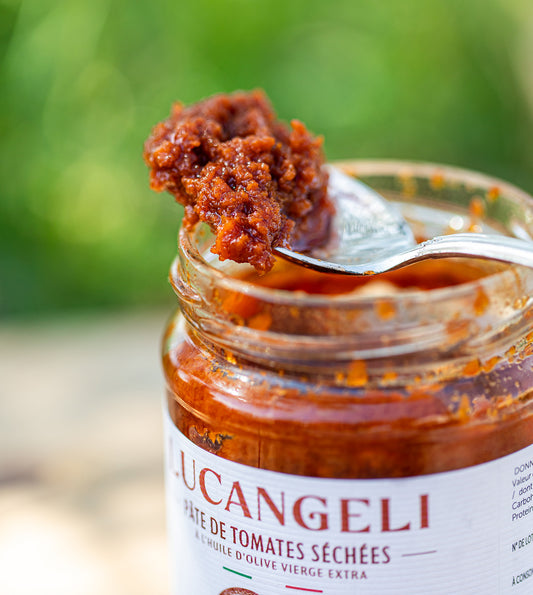
Pan-frying or oven-roasting is ideal for spring vegetables. Grilled asparagus, cooked over high heat in a cast-iron skillet, then drizzled with organic green fruity olive oil and a squeeze of lemon, makes a perfect accompaniment for a family meal. Artichokes, on the other hand, are wonderfully suited to oven cooking: cut in half, brushed with olive oil, and sprinkled with garlic and parsley, they become tender and slightly caramelized. To vary the pleasures, they can be accompanied by black olive tapenade or sun-dried tomato tapenade for an extra Mediterranean touch.
Pasta and spring vegetables: a classic revisited
In Italy, pasta with seasonal vegetables is a spring essential. Pasta ai carciofi (artichoke pasta), spaghetti agli asparagi (asparagus spaghetti), or pasta with peas and fresh mint are simple and flavorful recipes. The Italian trick: finish cooking the pasta directly in the pan with the vegetables and a little cooking water, then add a generous drizzle of olive oil off the heat. For an even more indulgent version, incorporate a spoonful of DOP basil pesto to flavor the whole dish. The result is creamy, fragrant, and deeply satisfying.
Creating an Italian spring table
The spring antipasto: lightness and sharing
In Italy, meals often begin with an antipasto: a selection of small bites to share. In spring, a platter with pitted black olives in olive oil, seasonal crudités (radishes, fennel, new carrots), spreads, and some toasted bread is a delightful choice. The set of 4 tapenades is ideal for creating a varied and colorful antipasto that effortlessly highlights the flavors of the Mediterranean region.
Choosing the right olive oil for different uses
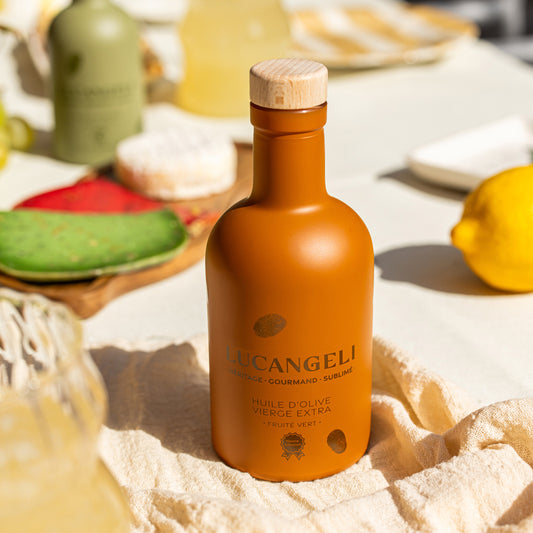
Not all olive oils are created equal, and their use varies depending on the preparation. A green fruity oil, with herbaceous and slightly peppery notes, is perfect for dressing crudités, spring salads, or steamed vegetables. A ripe fruity oil, softer and rounder, is better suited for gentle cooking and simmered dishes. To explore both aromatic profiles, the organic olive oil trio allows you to discover different expressions of Italian olive oil and adapt your choice according to current recipes.

Spring is an invitation to slow down, to cook with what the earth offers, to share simple and heartfelt meals. Italian cuisine has always known: the best dishes are born from quality ingredients, treated with respect and generosity. Whether for a family lunch during school holidays or to celebrate Earth Day, spring vegetables paired with a beautiful extra virgin olive oil are a delicious way to honor the season.




 lucangeli.it