


Bruschetta is one of the most iconic antipasti in Italian cuisine. Toasted bread, garlic, extra virgin olive oil: three simple ingredients that, when well-chosen, create a bite of remarkable intensity. In summer, when tomatoes are sun-ripened and aromatic herbs are at their peak, bruschetta naturally graces all Mediterranean tables—from trattorias in Calabria to family terraces in northern Italy.
The origins of bruschetta: a peasant dish turned classic
A story born in the Italian countryside
The word "bruschetta" comes from the Roman dialectal verb bruscare, which means "to roast." Originally, this dish was an ingenious way to make good use of stale bread: peasants would grill it over embers, rub it with a clove of garlic, and drizzle it with freshly pressed extra virgin olive oil. This simple act allowed them to test the quality of the olive harvest while preparing a nourishing snack. Bruschetta is, therefore, above all, a tribute to the land and peasant know-how.
Bruschetta in different regions of Italy
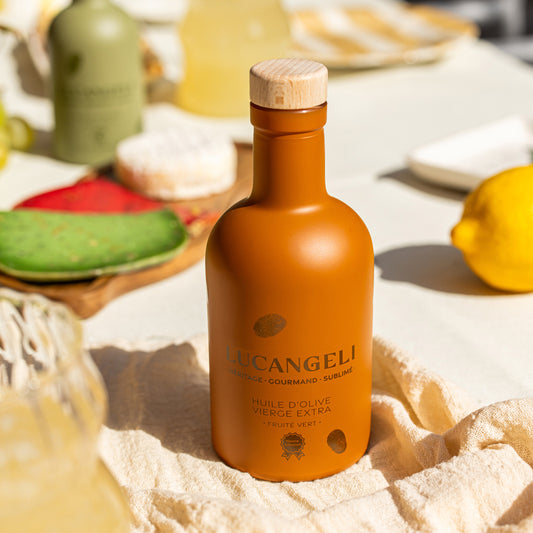
While bruschetta originated in Lazio, it quickly spread throughout the peninsula, taking on different forms depending on the region. In Tuscany, it is prepared as a fettunta—literally "oiled slice"—simply rubbed with garlic and topped with a green fruity organic olive oil with herbaceous and peppery notes. In Calabria, a region in southern Italy known for its intense flavors, bruschetta is often adorned with sun-dried tomatoes, black olives, and a drizzle of fragrant oil. Each region adds its signature, but olive oil always remains the central and indispensable ingredient.
Bruschetta recipe: the basics and essential variations

Classic tomato and basil bruschetta
The most well-known version of bruschetta combines fresh ripe tomatoes, chopped basil, garlic, and a generous amount of ripe fruity organic olive oil, whose sweet and fruity notes perfectly complement the natural acidity of the tomato. To make it successfully: choose a country bread with a dense crumb, grill it in the oven or on a plancha, rub it while still warm with half a clove of garlic, then arrange the diced and seasoned tomatoes. The olive oil is poured generously at the very end, just before serving.
Creative variations: tapenade, pesto, and flavored oils
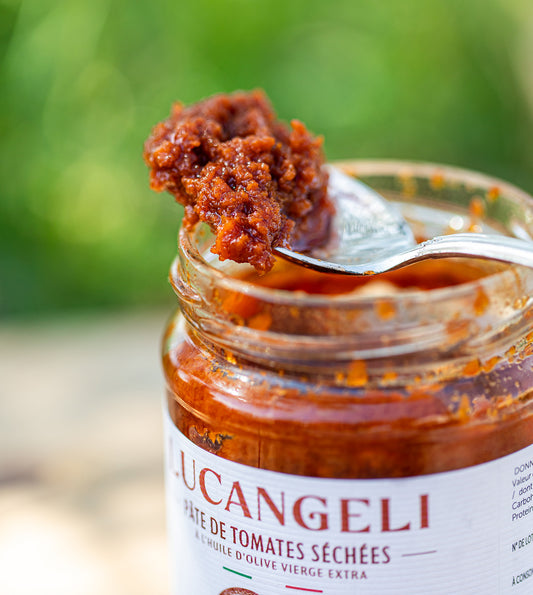
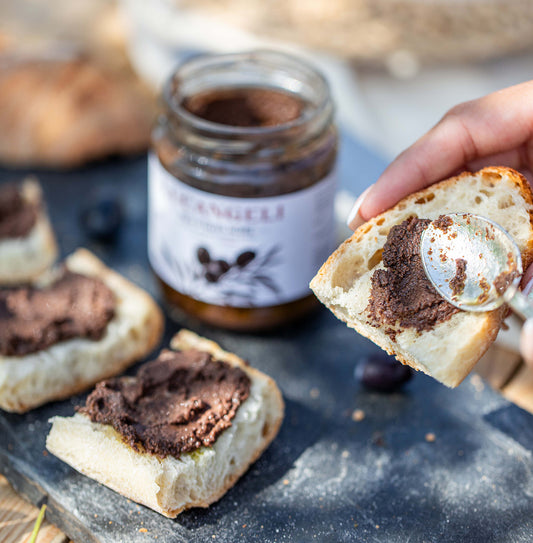
Bruschetta lends itself to endless variations. For a more intense and Mediterranean version, replace fresh tomatoes with a sun-dried tomato tapenade concentrated in flavors, or with a black olive tapenade with extra virgin olive oil. DOP basil pesto also makes an excellent topping, spread directly on the grilled bread before adding some pitted black olives. For a convivial aperitif, the set of 4 tapenades allows you to offer several toppings at once and vary the pleasures at the table.
Sweet and savory bruschettas and original combinations
Bruschetta is not reserved for savory flavors. In summer, a sweet and savory version with fresh figs, goat cheese, and a drizzle of IGP gold balsamic vinegar offers a remarkable balance between sweetness and acidity. For a touch of originality, bergamot olive oil—awarded at the Épicures 2023—brings a citrusy and luminous note that transforms a simple bruschetta into a refined bite. Orange and lemon olive oil is also very suitable for summer versions with grilled vegetables or seasonal fruits.
Choosing the right olive oil for a successful bruschetta

Extra virgin olive oil: the essential criterion
The quality of the olive oil is crucial for a successful bruschetta. Extra virgin olive oil is distinguished by its acidity below 0.8%, obtained by first cold pressing of the olives, without chemical treatment. It thus retains all its natural aromas: fresh grass, artichoke, almond, pepper depending on the varieties. For a bruschetta, a oil with a strong character is preferred, capable of standing up to the other ingredients. Green fruity organic olive oil, with its vegetal notes and slight bitterness, is particularly suitable for this use.
Flavored oils to personalize your bruschetta
Flavored oils open up a field of additional possibilities to personalize your bruschetta. Organic garlic and chili olive oil brings character and warmth to the most rustic versions, while organic basil olive oil enhances the herbaceous notes of a fresh tomato bruschetta. Lemon olive oil, on the other hand, is perfect for fish bruschettas or light versions with ricotta and citrus zest. These oils are poured as a finishing touch, just before serving, to preserve all their aromatic intensity.



 lucangeli.it