


Black olive tapenade is one of the most iconic spreads in Mediterranean cuisine. Creamy, intense, and generous, it's perfect for aperitifs as well as everyday meals. But with so many industrial and artisanal versions available, how do you choose? Here's a comprehensive guide to everything you need to know about black olive tapenade: its origins, quality criteria, and the best ways to use it in cooking.
The Origins of Black Olive Tapenade
A Mediterranean Specialty with Ancient Roots
Tapenade gets its name from the Provençal word "tapeno," which refers to capers—one of its traditional ingredients. Born in the south of France, this preparation made from crushed black olives quickly spread around the Mediterranean basin, particularly in Italy, where olive cultivation is deeply rooted in culinary traditions. Pitted black olives in olive oil form the base of this preparation, and their quality directly determines the final result.
From Provence to Southern Italy
While tapenade is often associated with Provence, Southern Italy has its own tradition of olive-based spreads. In Calabria, Sicily, and Puglia, black olives have been processed for centuries to create flavorful preparations. These regions, known for producing high-quality olive oil, have naturally developed recipes where the olive is king. A fruity organic extra virgin olive oil from these regions gives tapenade a characteristic richness and sweetness.
A Recipe That Evolves with Time
The traditional tapenade recipe combines black olives, capers, anchovies, garlic, and olive oil. But over the years, many variations have emerged: tapenade with herbs, sun-dried tomatoes, almonds, or basil. Sun-dried tomato tapenade is a delicious example, blending the acidic sweetness of tomato with the depth of olive. These variations allow tapenade to be adapted to all tastes and occasions.
How to Choose a Good Black Olive Tapenade

Read the Label Carefully
The first step to choosing good tapenade is to carefully read the ingredient list. A quality tapenade should contain a high proportion of black olives, extra virgin olive oil, and a minimum of additives or preservatives. Beware of products that use sunflower oil or artificial flavors instead of natural ingredients. For an aperitif, a set of 4 artisanal tapenades allows you to discover several flavors while guaranteeing ingredient quality.
Artisanal vs. Industrial: What Are the Differences?
The difference between artisanal and industrial tapenade is immediately noticeable during tasting. Artisanal versions use selected olives, cold-ground, and quality olive oil as a binder. Industrial versions, however, often prioritize less noble vegetable oils and lower-quality olives. A cold-pressed fruity green organic olive oil, with its herbaceous and peppery notes, makes all the difference in a well-made tapenade.
Labels and Certifications to Know
Certain labels guarantee the quality and origin of the ingredients used in tapenade. Protected Designation of Origin (PDO) for olives, or organic certification for olive oil, are reliable indicators. In Italy, Calabrian olives are gaining increasing recognition for their taste quality. Paired with a gold IGP balsamic vinegar during a meal, they create a table with authentically Italian flavors.
How to Use Black Olive Tapenade in Cooking
For Aperitifs: The Essential Base
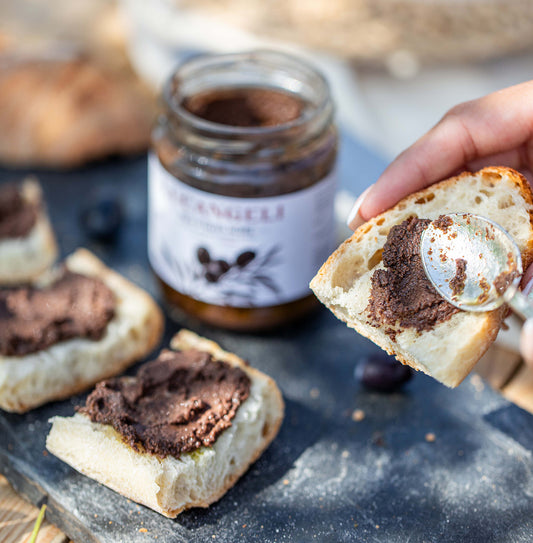
The most classic use of tapenade is as an aperitif. Spread on toasted bread, crackers, or raw vegetables, it offers a flavorful and convivial starter. To vary the pleasures, offer several spreads to your guests: black olive tapenade pairs perfectly with a PDO basil pesto or a sun-dried tomato tapenade for a colorful and generous Mediterranean platter.
In Cooking: Unexpected Uses
Tapenade is not limited to aperitifs. It can be used as a sauce for pasta, a marinade for white meats or fish, or even as a pizza base instead of tomato sauce. Mixed with a drizzle of fruity organic extra virgin olive oil, it becomes a creamy sauce to accompany roasted vegetables. In everyday cooking, it provides immediate depth of flavor without requiring long preparation.
Gourmet Pairing Ideas

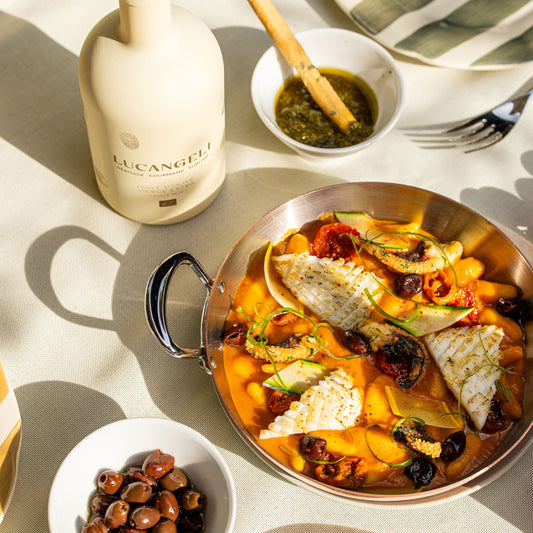
To create a complete Italian table, tapenade naturally pairs with other local products. Pitted black olives in olive oil can be served as an accompaniment, while a drizzle of gold IGP balsamic vinegar on a tapenade bruschetta creates a perfect balance between sweet and savory. For gifting or indulging, a customizable gift box bringing together tapenades, oils, and condiments is a wonderful way to share these Mediterranean flavors.
Black olive tapenade is much more than just a spread: it's a concentration of terroir, tradition, and Mediterranean expertise. Well-chosen and well-used, it transforms the simplest meals into authentic moments of sharing. Whether enjoyed as an aperitif, incorporated into a recipe, or offered in a gourmet gift box, tapenade deserves a place of honor in your kitchen.




 lucangeli.it