


Lent is an important period for many Christians, marked by fasting and abstinence from meat. However, this does not mean that meals have to be bland and monotonous. On the contrary, Mediterranean plant-based cuisine is full of delicious recipes to brighten up your meals during Lent. In the culinary traditions of southern Italy, this period has always been an opportunity to rediscover the richness of local vegetables, legumes, and condiments.
Vegetables, stars of Mediterranean plant-based cuisine

Mediterranean cuisine is renowned for its abundance of vegetables, and Lent is the perfect opportunity to showcase them. In Italy, the local produce offers an exceptional diversity of flavorful and varied vegetables. Seasonal vegetables, such as tomatoes, zucchini, eggplants, peppers, artichokes, and broad beans, are used in many Mediterranean vegetarian recipes.
Choosing the right seasonal vegetables
In March, Italian markets are filled with early spring vegetables: spinach, chard, peas, fresh broad beans, and artichokes. These vegetables, simply cooked, reveal their full flavor when accompanied by a good organic green fruity olive oil, whose herbaceous and slightly peppery notes enhance vegetable flavors without masking them.
Olive oil, the essential ingredient
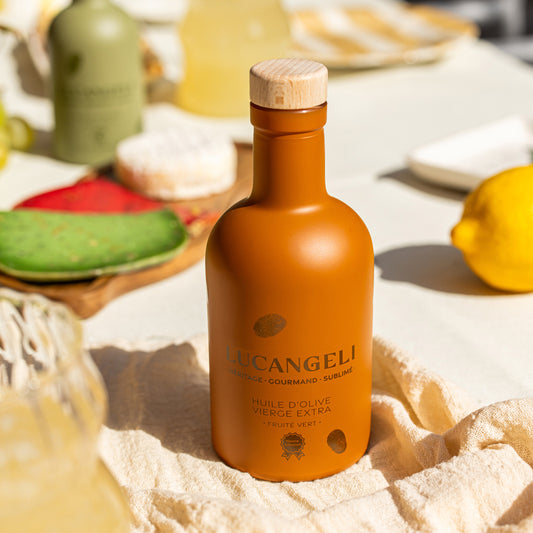
To enhance these vegetables, there's nothing like olive oil, a pillar of Mediterranean cuisine for centuries. An organic ripe fruity olive oil with round and mellow aromas is perfect for stews, vegetable soups, or gratins. It brings a depth of flavor that transforms a simple dish into a memorable culinary experience.
Legumes and cereals: Lenten allies
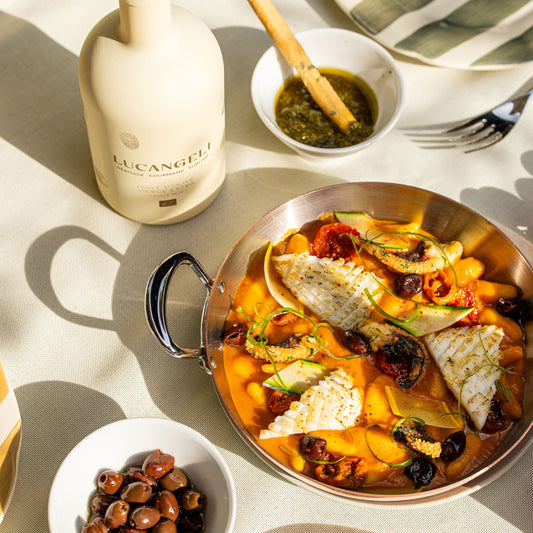
Lentils, chickpeas, beans, and whole grains are at the heart of Mediterranean plant-based cuisine during Lent. A drizzle of quality olive oil at the end of cooking, a few pitted black olives in olive oil to enhance a lentil salad, and voilà: a nutritious, flavorful dish rooted in tradition.
Italian local products for characterful plant-based cuisine

Italian local products are a valuable asset for successful Mediterranean plant-based cuisine. They bring depth, character, and authenticity to simple recipes, without needing meat to create flavor.
Pesto, an emblematic sauce of Italian plant-based cuisine
DOP basil pesto, made with fresh basil, pine nuts, and olive oil, is a true symbol of Italian plant-based cuisine. It can be used as a sauce for pasta, as a base for bruschetta, or as a condiment to accompany grilled vegetables. Its aromatic freshness makes it a Lenten staple.
Spreads, for varied delights
For an original and flavorful alternative, sun-dried tomato tapenade—made from sun-dried tomatoes and olive oil—brings a sunny intensity to your toasts, pasta, or stuffed vegetables. Black olive tapenade, meanwhile, offers a deep and Mediterranean flavor, ideal for accompanying crudités or garnishing toasts during a meat-free meal.
An assortment to explore flavors
For those who want to vary their pleasures throughout Lent, the set of 4 tapenades allows for creating plant-based meals rich in flavors, by alternating spreads according to desires and recipes. A beautiful way to make the Lenten table as generous as it is gourmet.
Enhancing the plant-based table with the right condiments
Successful plant-based cuisine also relies on the art of seasoning. Quality condiments make all the difference between an ordinary dish and a plate that tells a story.
Balsamic vinegar, the final touch
A few drops of Gold Collection IGP balsamic vinegar on a rocket salad, roasted vegetables, or even early season strawberries: this oak-aged condiment brings a sweet and tangy note that transforms the simplest plant-based dishes into refined preparations. It's the final touch that makes all the difference.
Cooking plant-based, a living Mediterranean tradition
Far from being a constraint, cooking plant-based during Lent is an invitation to rediscover ancestral recipes passed down from generation to generation in Mediterranean families. In Calabria as in Sicily, in Greece as in Lebanon, Lenten plant-based cuisine is a living tradition, rich in flavors and meaning. It reminds us that simplicity, when based on quality ingredients, is often the most direct path to deliciousness.
Composing your vegetarian menus for Lent
To compose balanced and flavorful vegetarian menus during Lent, a few simple principles apply: vary vegetables according to the season, rely on legumes for consistency, and refine the seasoning with characterful olive oils, local spreads, and quality condiments. Mediterranean plant-based cuisine doesn't need meat to be generous: it just needs good ingredients and a little love.



 lucangeli.it