


Basil pesto is one of the most iconic sauces in Italian cuisine. Originating from Liguria, it now comes in many versions—but not all are created equal. How do you recognize a truly high-quality pesto? What ingredients should you look for on the label? And how can you use it far beyond pasta? Here’s a complete guide to help you choose and savor this exceptional sauce.
The Origins of Basil Pesto: A Ligurian Heritage
Pesto was born in Genoa, the capital of Liguria, a coastal region in northwest Italy bathed in the Mediterranean light. Its name comes from the Italian verb pestare, meaning "to crush" or "to grind"—referring to the marble mortar in which ingredients were traditionally worked by hand. Long before blenders and food processors, Genoese families patiently prepared their pesto, crushing leaf after leaf to release the aromas of the basil.
Genoa Basil, an Exceptional Plant
Not all basil is the same. The basil used in traditional pesto is Basilico Genovese DOP, a variety grown in the Genoa region, recognized and protected by an appellation of origin. Its leaves are small, tender green, and release a delicate, slightly aniseed scent, without the bitterness found in other varieties. It is this precise plant that gives pesto alla Genovese its unique character and its recognizable aromatic sweetness.
The Traditional Recipe for Pesto alla Genovese
The classic recipe for pesto alla Genovese relies on six ingredients: fresh basil, garlic, pine nuts, Parmesan (or Pecorino), salt, and extra virgin olive oil. No cream, no additives, no preservatives. The quality of each component is crucial: fragrant basil, aged cheese, and especially a green fruity organic olive oil from first cold pressing, whose herbaceous and slightly peppery notes naturally harmonize with the basil. It is this rigorous simplicity that makes traditional pesto so great.
How to Recognize Quality Pesto?

On grocery shelves, pesto jars often look similar. However, the quality differences are considerable. Learning to read a label and identify the right signs allows for an informed choice—and ensures you'll never settle for ordinary pesto again.
The Ingredients That Make a Difference
The first step is to read the ingredient list. A good artisanal pesto should have basil at the top of the list, followed by extra virgin olive oil, pine nuts, cheese, and garlic. If you see sunflower oil, modified starch, artificial flavors, or preservatives, it's a sign that the recipe has been lightened or industrialized. The presence of a quality ripe fruity organic olive oil in the composition is often a good indicator of the care taken in its production.
Industrial Pesto vs. Artisanal Pesto: What You Need to Know
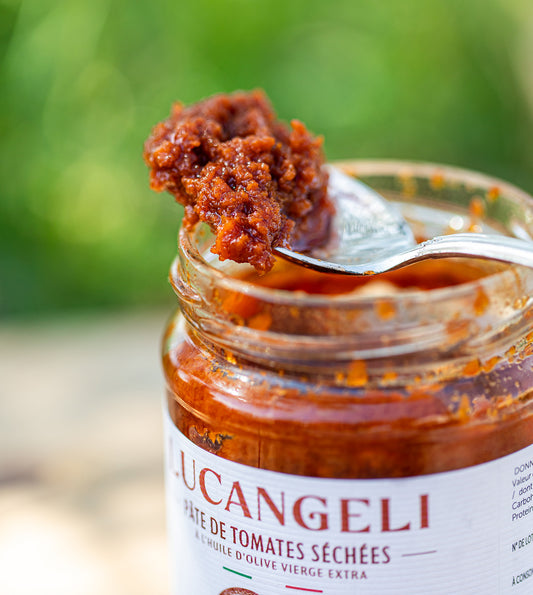
Industrial pesto is produced in large quantities, using standardized ingredients and processes that prioritize long shelf life. The basil in it is often pasteurized, which diminishes its aromas. Artisanal pesto, on the other hand, is made in small batches, with ingredients selected for their quality and origin. Its texture is more rustic, its color more vibrant, and its taste far more complex. For those who wish to explore quality Italian condiments, the set of 4 tapenades is a wonderful way to discover the range of flavors from the Italian terroir—from pesto to olive and sun-dried tomato spreads.
The Importance of Olive Oil in Pesto
Olive oil is much more than a simple binding agent in pesto: it is its soul. It carries the aromas of the basil, gives the sauce its creamy texture, and provides that characteristic richness on the palate. A poor quality oil can mask the flavors of the basil or introduce an unpleasant bitterness. Conversely, a high-quality extra virgin olive oil, such as a green fruity organic olive oil with fresh, herbaceous notes, enhances every ingredient and reveals the full aromatic complexity of the pesto. This is why Italian artisans place so much importance on choosing their oil.
Pesto in the Kitchen: Far Beyond Pasta
Basil pesto is often associated with pasta; trofie al pesto, in fact, is the emblematic dish of Ligurian cuisine. But this versatile sauce deserves to be explored in many other culinary contexts, especially in spring, when seasonal vegetables invite creativity.
Classic Uses and Gourmet Pairings
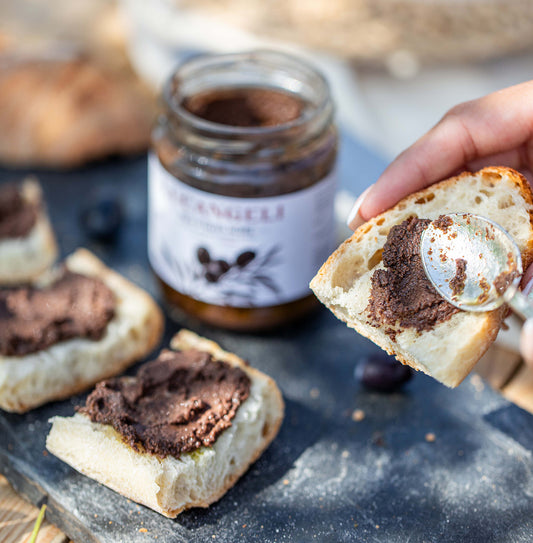
On fresh pasta, of course—but also on grilled vegetables, steamed potatoes, cherry tomatoes, or even as a pizza base instead of tomato sauce. Pesto pairs very well with fresh cheeses, poached eggs, or white fish. For a spring appetizer platter, it can be served alongside a black olive tapenade and a sun-dried tomato tapenade, to offer your guests a culinary journey through the flavors of southern Italy.
Pesto as a Table Condiment

In Italy, pesto is also used as a table condiment, like a sauce placed in the center of the table for everyone to serve themselves. A few spoonfuls on a bruschetta, a vegetable carpaccio, or grilled meat are enough to transform a simple dish into a gourmet experience. To go even further with pairings, a few drops of Gold PGI balsamic vinegar on a pesto salad bring a sweet-and-sour touch that perfectly balances the intensity of the basil. And for olive lovers, pitted black olives in extra virgin olive oil ideally complement an authentic Italian table.
DOP basil pesto with olive oil is one of those products that, once tasted in its artisanal version, make it difficult to ever go back. Choosing quality pesto means choosing to respect a centuries-old culinary tradition, to value the work of producers, and to treat oneself to a genuine taste experience—one that Italian families pass down from generation to generation, with the same generosity and love for good products.





 lucangeli.it