


What is real basil pesto?
Basil pesto is one of the most iconic sauces in Italian cuisine. Yet, between artisanal versions and industrial products, the quality differences are considerable. How can you tell the difference? Here's a practical guide to choosing good basil pesto, understanding its ingredients, and using it best in cooking.

The ingredients of traditional pesto
Pesto alla genovese originates from the Liguria region in northwest Italy. Its traditional recipe includes only five ingredients: fresh basil, extra virgin olive oil, pine nuts, Parmesan (or Pecorino), and garlic. Traditionally prepared with a marble mortar, the pesto is slowly pounded to preserve the basil's aromas without oxidizing them. This artisanal method gives it its creamy texture and intense green color.
The DOP label: a guarantee of authenticity
To guarantee the authenticity of a basil pesto, there is a benchmark European label: the DOP (Denominazione di Origine Protetta), equivalent to the French AOP. A DOP basil pesto certifies that the product is made according to strict specifications, with Genoese basil grown in Liguria, quality olive oil, and Italian pine nuts. This label is a valuable guarantee against the multitude of products that claim to be pesto without adhering to its standards. When looking for quality pesto, this is one of the first benchmarks to check.
How to read the label of commercial pesto?

In the aisles of grocery stores and supermarkets, it's not always easy to distinguish artisanal pesto from an industrial product. However, a few simple tips can help tell the difference. Extra virgin olive oil should be among the first ingredients on the list — its presence is a reliable indicator of quality.
Basil at the top of the list
The golden rule for choosing good pesto: basil must be the first ingredient on the list. Ingredient lists are ordered by decreasing proportion. If basil only appears in third or fourth position, behind sunflower oil or water, the sauce strays considerably from the traditional recipe. Quality pesto generally has a basil content greater than 25-30%. The higher this proportion, the more authentic and aromatic the taste will be. For a successful aperitif, pair it with a set of 4 tapenades for a varied and generous Italian spread platter.
Ingredients to avoid
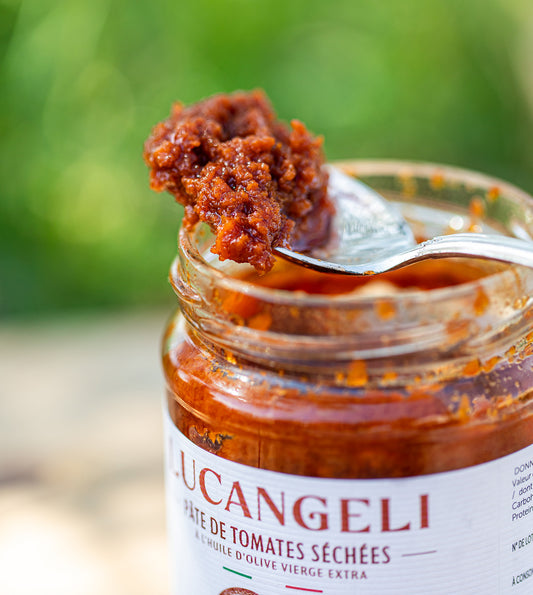
Certain ingredients immediately indicate a lower quality pesto: sunflower oil (cheaper than olive oil), cashew nuts (an economical substitute for pine nuts), added sugar, modified starches, or artificial flavors. These additions lengthen the ingredient list without improving the taste — quite the opposite. Real pesto doesn't need additives to preserve or taste good. Also, beware of misleading marketing names: "Italian recipe," "extra fresh," or "alla genovese" do not guarantee the product's actual quality. To complete your antipasti table, the sun-dried tomato tapenade offers a great alternative to the flavors of Southern Italy.
How to use pesto in cooking?
Basil pesto is a highly versatile sauce. While its most common use is as an accompaniment to pasta, it can actually be integrated into many culinary preparations. Black olive tapenade can also serve as an ideal complement on an appetizer platter.
Beyond pasta
Pesto pairs perfectly with linguine or trofie (traditional Ligurian pasta), as well as with gnocchi or short pasta like penne. The trick Italian chefs use: never heat pesto directly. Dilute it with a few spoons of pasta cooking water before incorporating it off the heat to preserve its aromas. But pesto is not limited to pasta: it enhances grilled white fish fillets, a spring vegetable soup, an herb omelette, or a potato salad. A few drops of IGP balsamic vinegar as a finish add an elegant touch of acidity that contrasts with the roundness of the pesto.
Pesto and local products
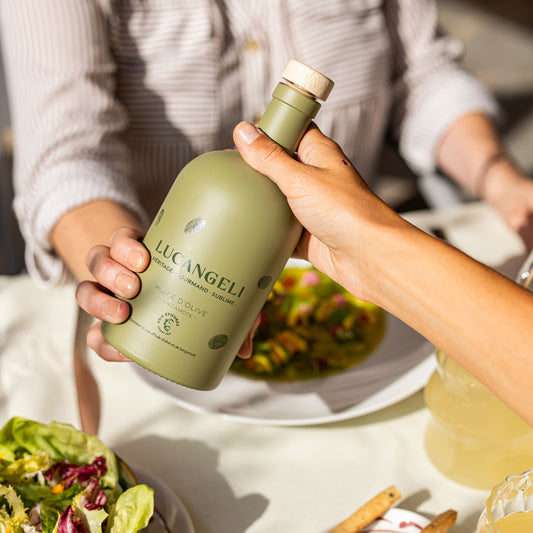
Basil pesto is part of a broader tradition of Italian spreads and condiments that enrich Mediterranean cuisine. It can be used as a marinade base for grilled vegetables, as a topping in a sandwich instead of mayonnaise, or as seasoning for oven-roasted vegetables. For an original and refined touch, a few drops of bergamot olive oil as a finish on a pesto dish bring a floral and citrus note very characteristic of the Calabrian region. This unexpected association between Ligurian basil and Calabrian bergamot perfectly illustrates the richness and diversity of Italian gastronomy.
In summary, to choose good basil pesto: check that basil is at the top of the ingredient list, that extra virgin olive oil is present, and beware of overly long ingredient lists. The DOP label remains the benchmark for authentic pesto. And don't hesitate to explore all the ways to use it in cooking — pesto is much more than just a pasta sauce.




 lucangeli.it