


Why does olive oil storage matter so much?
Olive oil storage is not a minor detail: poor conservation quickly alters its aromas, its colour and its freshness. Extra virgin olive oil, whether green fruity or ripe fruity, is sensitive to three things: light, heat and oxygen. Prolonged exposure to any one of these factors speeds up oxidation, which can lead to a rancid taste or a loss of aromatic complexity.
To enjoy every note of your organic green fruity or organic ripe fruity olive oil, remember that suitable storage extends not only its optimal life, but also the pleasure of tasting it. To go further in your discovery, explore the 200 ml olive oil trio, ideal for varying things according to what you feel like.
The golden rules for storing your olive oil well

1. Protect it from light
Light speeds up the degradation of olive oil. Go for dark or opaque bottles, and keep them in a cupboard or a dark place. Metal tins are also an excellent option for limiting exposure.
2. Avoid heat
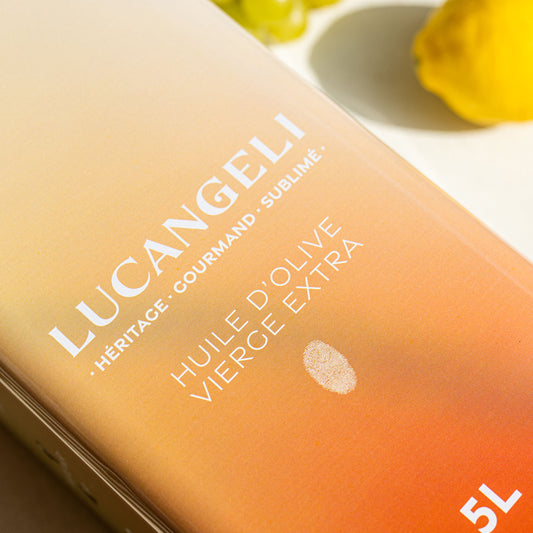
Olive oil should be kept at a stable temperature, ideally between 14 and 18°C. Avoid shelves close to the hob or the oven. A temperature that is too high speeds up oxidation and changes the delicate aromas. For large formats, the 5 L tin is perfect for storage away from light and heat.
3. Limit contact with air
Oxygen is one of olive oil's main enemies. Always close the bottle carefully after each use and go for suitable containers, such as the drip-free pourer, which limits the air getting in while you serve.
4. Use suitable containers
- Dark glass bottle: protects from light and works for everyday use.
- Metal tin: ideal for long-term conservation.
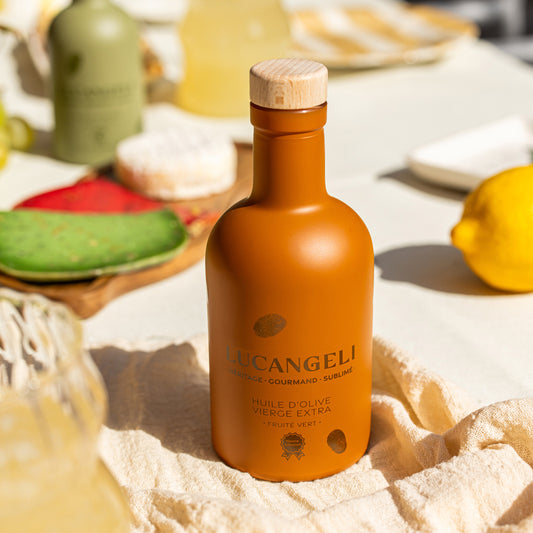
- Opaque carafe for serving at the table.
Avoid clear plastic bottles or containers left open on the table for too long. Find out how to personalise your bottles for optimal conservation on the personalisation page.
Common mistakes and practical tips
The mistakes to avoid at all costs
- Leaving the bottle open on the table or near a heat source.
- Decanting the oil too often, which increases contact with air.
- Using a clear container exposed to light.
- Storing the oil in the fridge, which can cause crystallisation and alter the texture.
Tips for extending freshness
- Buy formats suited to how much you use: a small bottle for everyday use, a tin for families or keen enthusiasts.
- Write the opening date on the bottle to keep better track of freshness.
- Use a 200 ml organic ripe fruity olive oil to try different aromatic profiles without any risk of waste.
Summary table: how do you store your olive oil properly?
For those who want to go further, discover the jeroboam of organic extra virgin olive oil, an exceptional format to be stored by the book.
Frequently asked questions
How do I know whether my olive oil is still good?
An olive oil that has been stored well keeps its freshness for several months after opening. If you notice a waxy smell, a rancid butter note or a cloudy colour, it is time to replace it. For more detail, read our article on how to recognise a rancid olive oil.
Can I keep my olive oil in the fridge?
Storing olive oil in the fridge is not recommended. The cold causes crystallisation, which changes the texture and can mask the aromas. Go for a cool place, but not a cold one.
Which container is best for serving at the table?

For serving at the table, an opaque carafe or a small dark glass bottle is ideal. Discover our tips for personalising your bottle and creating a unique experience at your meals.
---
For enthusiasts and professionals, the area dedicated to restaurateurs and hoteliers offers storage solutions and formats suited to every need.




 lucangeli.it