

Why filter olive oil?
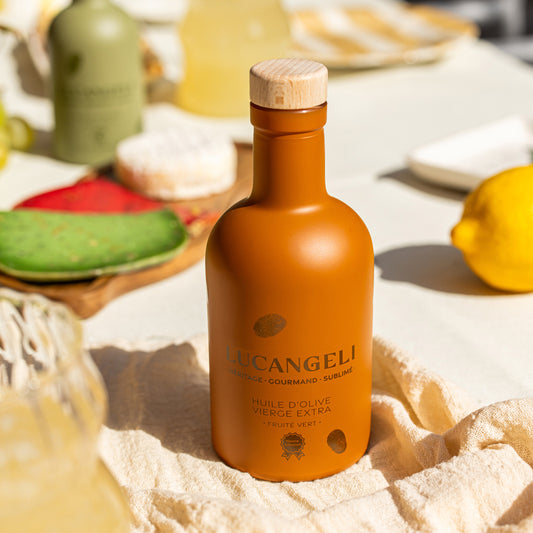
Filtering olive oil means separating the solid particles and the residual water from the freshly extracted oil. It is not a minor step: it affects the oil's clarity, stability and shelf life. A filtered oil is clearer and less prone to fermentation and spoilage, while an unfiltered oil keeps a cloudy look and a taste that is sometimes more vegetal. Most Italian mills filter the oil right after extraction to guarantee consistent quality, but some enthusiasts look for the more rustic profile of an unfiltered oil. Discover an organic green fruity olive oil 200 ml here, made with traditional methods.
To filter or not? That choice depends on your taste and on how you use it:
- If you are after finesse and long storage, a filtered oil will be ideal for everyday seasoning.
- If you are looking for an intense tasting experience and you go through your oil quickly, an unfiltered oil can offer more straightforward aromas.
To go further into professional choices, explore the area dedicated to restaurant owners.
The filtration process, simply explained
After extraction, olive oil naturally contains micro-particles from the pulp and sometimes a little water. Filtration takes place before bottling, to separate these elements. There are two main methods:
- Cellulose filtration: the most common one, it holds back the impurities without altering the oil.
- Natural settling: the oil rests for several weeks, the particles settle at the bottom, then the clear oil is drawn off.
Filtered olive oil has a clear colour, a stable taste and better staying power over time. Unfiltered oil is more opaque, sometimes with a deposit at the bottom of the bottle. That deposit is not a flaw, but it can speed up oxidation and fermentation if the oil is not used quickly.

If you care about purity and origin, discover the olive oil trio 200 ml, which illustrates different approaches to production.
Filtration and buying choices: what to remember
Choosing between a filtered and an unfiltered olive oil depends on what you use it for and on how often you use it. Here is a list to help you decide:
- For everyday seasoning and long storage: go for a filtered oil.
- For quick use and a raw tasting experience: unfiltered oil is the one to choose.
- For cold dishes or finishing: the difference in texture and flavour can be striking; taste both and make up your own mind.
- For gifts or personalisation: a filtered oil keeps better, which is ideal if the bottle is a gift or personalised, for example through the bottle configurator.
To vary the pleasures, you can also put together an olive oil discovery duo 500 ml, or take a look at the limited-edition jeroboam format, ideal for big gatherings.

Frequently asked questions
What is the difference between filtered and unfiltered olive oil?
Filtered oil is clear, keeps better and has a stable taste. Unfiltered oil is cloudier, offers a more vegetal taste and should be used quickly.
Is unfiltered olive oil better?
It all depends on your taste: some prefer the rustic intensity of an unfiltered oil, others the stability of a filtered one.
Can you give an unfiltered oil in a personalised bottle?
You can, but it is best to go for a filtered oil to guarantee better preservation, especially if the bottle is a gift or will be stored for a while. More ideas on bottle personalisation.




 lucangeli.it