


Spring marks the return of colorful market stalls, the first asparagus, and tender broad beans. It's the ideal season to reconnect with light, generous cuisine rooted in the Mediterranean terroir. Discover how to make the most of spring vegetables by drawing inspiration from Italian culinary traditions.
Which spring vegetables to favor in Mediterranean cuisine?

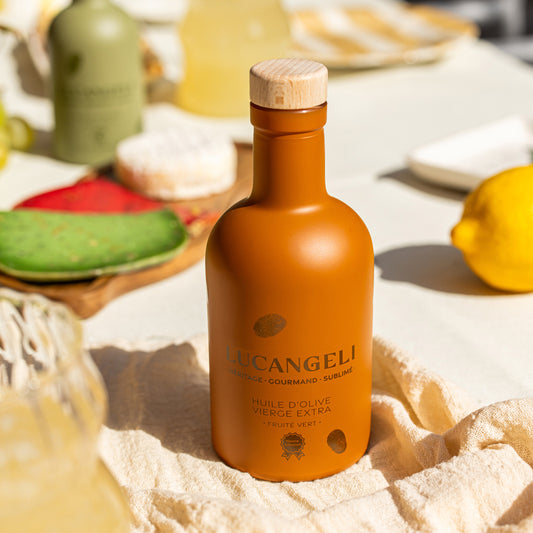
Mediterranean cuisine primarily celebrates seasonal products. In spring, markets are overflowing with early vegetables with delicate flavors, which need little preparation to reveal their full character. To enhance these treasures from the garden, a good organic green fruity olive oil is often enough to transform a simple dish into a memorable taste experience.
Essential early vegetables
Green or white asparagus, peas, baby artichokes, fresh broad beans, radishes, tender spinach, new onions: these are the stars of the Mediterranean spring. These vegetables are distinguished by their freshness and pronounced taste, very different from their frozen or off-season equivalents. In Italy, they are found in emblematic dishes like Roman vignarola — a spring vegetable stew — or grilled vegetable antipasti drizzled with a touch of organic ripe fruity olive oil.
How to choose and store them
To fully enjoy spring vegetables, a few simple rules apply. Choose firm, brightly colored vegetables, preferably bought from a local producer or at a seasonal market. Store them in the refrigerator's vegetable drawer, wrapped in a slightly damp cloth. Early vegetables are delicate: consume them within two to three days of purchase to preserve all their flavor. To prepare them, a simple seasoning based on 5L organic olive oil in a can and a pinch of fleur de sel is enough to highlight them.
Olive oil, a pillar of spring Mediterranean cuisine

In Mediterranean cuisine, extra virgin olive oil is not just a fat: it's an ingredient in its own right, bringing taste and character. It has accompanied spring vegetables for centuries, from the coasts of Calabria to the Tuscan hills. Choosing the right olive oil is already half the battle in the kitchen.
Green fruity or ripe fruity: which oil for which vegetables?
Not all olive oils are alike. An organic green fruity olive oil, harvested early in the season, offers herbaceous, slightly peppery and bitter notes, ideal for accompanying raw or lightly cooked vegetables: steamed asparagus, broad bean salad, radish carpaccio. Conversely, a organic ripe fruity olive oil, softer and rounder, is perfect for oven-roasted vegetables, veloutés, or simmered dishes. To explore both aromatic profiles, the 200ml olive oil trio is an excellent way to discover the different expressions of Italian olive oil.
Olive oil and seasonal vegetable pairings
The art of Mediterranean cuisine often lies in the simplicity of combinations. A drizzle of extra virgin olive oil on grilled asparagus, a few drops on a pea velouté, or a light marinade for artichokes alla Romana: these simple gestures make all the difference. To bring a touch of acidity and depth to your spring vegetable salads, a few drops of Modena PGI balsamic vinegar create a perfect balance between sweetness and vibrancy.
Ideas for light Mediterranean spring recipes
Mediterranean spring cuisine lends itself to an infinite number of light and flavorful recipes. Here are some ideas to highlight seasonal vegetables, inspired by Italian culinary traditions.
Antipasti of candied vegetables
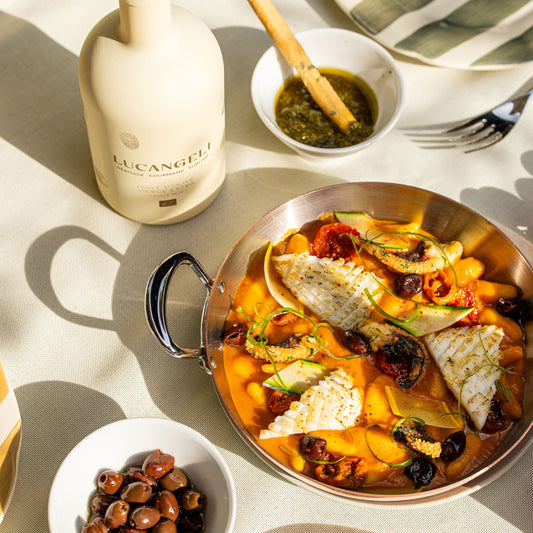
Antipasti are one of the great traditions of the Italian table. In spring, you can prepare candied vegetables — zucchini, bell peppers, eggplant, artichokes — simply marinated in extra virgin olive oil with a few aromatic herbs. Served at room temperature, accompanied by pitted black olives in extra virgin olive oil, these antipasti make a fresh and convivial starter, perfect for a spring meal with family or friends.
Pesto, tapenade, and spreads to enhance vegetables
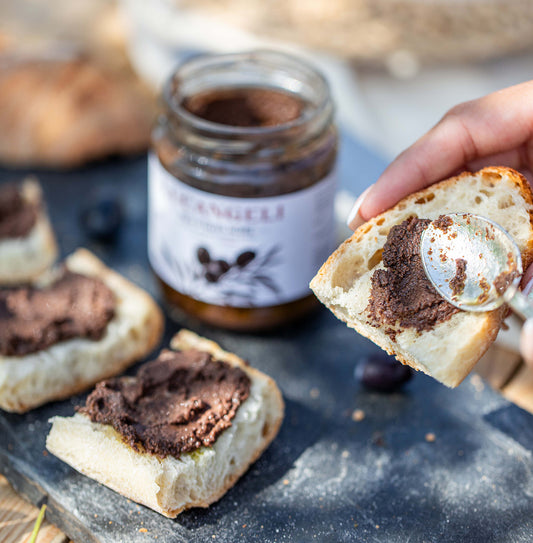
Spreads and olive oil-based sauces are invaluable allies for adding character to your spring vegetables. A DOP basil pesto drizzled over steamed asparagus or mixed with crushed peas, is the Mediterranean on a plate. Black olive tapenade pairs wonderfully with grilled vegetables or crudités, while sun-dried tomato tapenade brings a sunny touch to your spring dishes. To vary the pleasures, the set of 4 tapenades allows you to compose generous and colorful plates, to share around an outdoor table.
Conclusion
Cooking with spring vegetables means reconnecting with the essentials: fresh, seasonal produce, enhanced by quality ingredients. Mediterranean cuisine reminds us that simplicity is often the key to taste. Good extra virgin olive oil, some artisanal spreads, and carefully chosen early vegetables: that's all it takes to create light and flavorful recipes that celebrate spring in all its glory.



 lucangeli.it