


Olive oil is an essential ingredient in Italian cuisine, used in many savory preparations. But it also has its place in desserts. For centuries, Italians have incorporated olive oil into their sweet recipes, especially in the south of the country. This culinary tradition, inherited from Calabrian olive groves, offers desserts with a melting texture and subtly fruity flavors. Discover how olive oil can bring a touch of originality to your pastries.
Why olive oil has always had its place in Italian desserts
A millennial tradition from Southern Italy
The use of olive oil in pastry dates back to antiquity. Greeks and Romans already used this oil to enrich their sweet preparations. But it is in Southern Italy, particularly in Calabria, that this tradition has endured most consistently. The region is known for its centuries-old olive groves and its production of high-quality organic ripe fruity olive oil. Calabrians naturally incorporated this ingredient into their pastries, creating desserts that are both delicious and rooted in the local terroir.
Dolci calabresi: when olive oil meets sweet
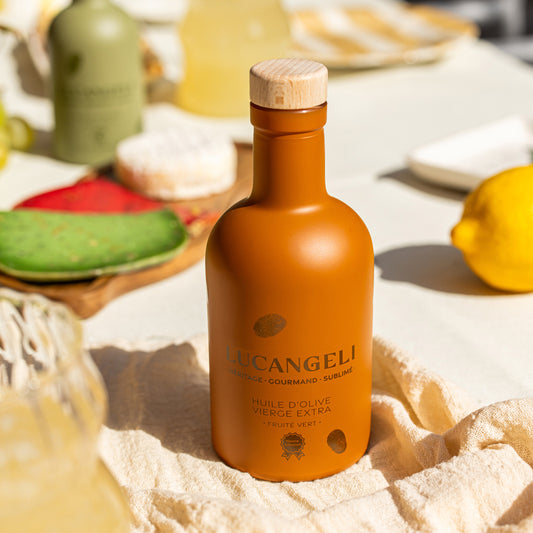
In Calabria, olive oil is used in a wide variety of traditional desserts, the dolci calabresi. Among the most emblematic are pittule, olive oil fried doughnuts flavored with honey and citrus zest, and crespelle, light pancakes prepared with olive oil instead of butter. These ancient recipes bear witness to expertise passed down from generation to generation. To rediscover these southern flavors, bergamot olive oil — awarded at the Épicures 2023 — brings a floral and citrus note particularly suited to desserts.
What's the difference with butter?
Olive oil and butter have different properties in baking. Butter provides a flaky texture and a milky taste, while olive oil gives a softer texture and a fruity flavor. Cakes made with olive oil stay tender longer, as the oil retains moisture better than butter. This is why Italian olive oil pastries are often described as particularly melt-in-your-mouth. To explore the different aromatic profiles, the trio of olive oils allows you to discover the nuances between ripe fruit, green fruit, and bergamot.
How to use olive oil in baking: practical tips

What ratio to replace butter?
The basic rule is simple: to replace melted butter with olive oil, use about three-quarters of the indicated amount. For example, if a recipe calls for 100g of melted butter, use 75ml of olive oil. This difference is explained by the water content of butter, which is absent in oil. For soft cakes, muffins, or loaves, this substitution works very well. Orange & Lemon olive oil is particularly suited to citrus cake recipes, where it naturally intensifies the aromas.
Which oil to choose depending on the dessert?
The choice of olive oil depends on the type of dessert you are preparing. For a chocolate or nut cake, a mild and fruity oil like organic ripe fruity olive oil integrates without overpowering other flavors. For a citrus dessert — lemon tart, orange cake, zest biscuits — lemon olive oil or orange & lemon oil amplify the fruity notes. For more original creations, bergamot olive oil brings a unique aromatic dimension, ideal in madeleines, financiers, or creams.
Mistakes to avoid
A few precautions are necessary to succeed with your olive oil desserts. Avoid using an oil that is too intense or too bitter in delicate preparations: it risks overpowering other flavors. Always taste your oil before incorporating it. Also, make sure to use ingredients at room temperature to promote good emulsion. Finally, monitor baking: the edges of olive oil cakes may brown slightly faster than with butter. To accompany your desserts, the bergamot spread — Gold medalist at Épicures 2024 — pairs perfectly with a plain olive oil cake.
The best olive oil dessert recipes
Moist citrus cakes
Citrus cake is one of the recipes where olive oil gives the best results. Mix 150g flour, 100g sugar, 2 eggs, 75ml orange & lemon olive oil, the zest of one lemon and one orange, a sachet of baking powder, and a pinch of salt. Pour into a mold and bake for 30 minutes at 180°C. The result is a moist, fragrant, and light cake that keeps well for several days. For an extra touch, serve it with a spoonful of bergamot sweetness, the bergamot jam from Calabria.
Chocolate desserts
Olive oil and dark chocolate form a classic pairing in Italian pastry. For a chocolate lava cake, melt 200g dark chocolate, then incorporate 75ml organic ripe fruity olive oil, 100g sugar, 3 eggs, and 50g flour. Bake for 10 minutes at 180°C in individual molds. The texture is gooey, the taste deep. For an even more indulgent version, accompany with a spoonful of Piedmont hazelnut spread, whose roasted aromas perfectly complement the chocolate.
Summer desserts: ice creams and sorbets

In summer, olive oil also finds its place in frozen desserts. A red fruit sorbet with a spoonful of bergamot olive oil offers a silky texture and a surprising floral note. For artisan ice cream, incorporate a few drops of ripe fruity olive oil into a vanilla ice cream base: the oil adds binding and a subtle flavor. These combinations, common in Southern Italian pastry, show that olive oil is much more than a savory cooking ingredient. To discover all the flavored oils available, explore the trio of olive oils and let yourself be guided by the flavors of the Calabrian terroir.





 lucangeli.it