


Spring is finally here, and with it comes a bounty of colorful and flavorful vegetables. It's the perfect opportunity to revisit your cooking habits and turn to lighter, fresher, sunnier dishes. Mediterranean cuisine, with its quality ingredients and authentic flavors, perfectly meets this desire for renewal. Early vegetables, organic green fruity olive oil, aromatic herbs, local condiments: here's how to create a spring table that takes you on a journey.
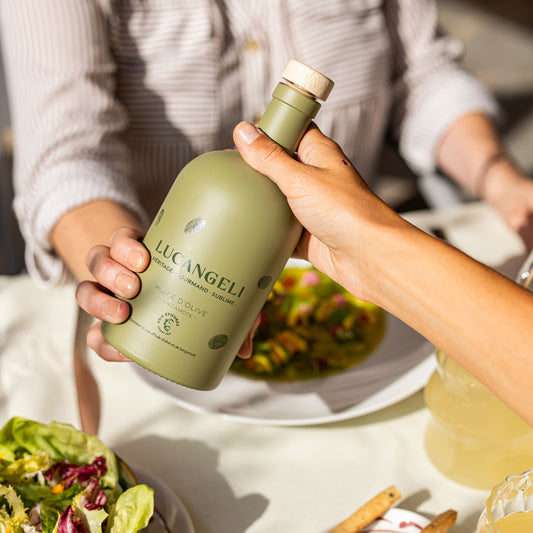
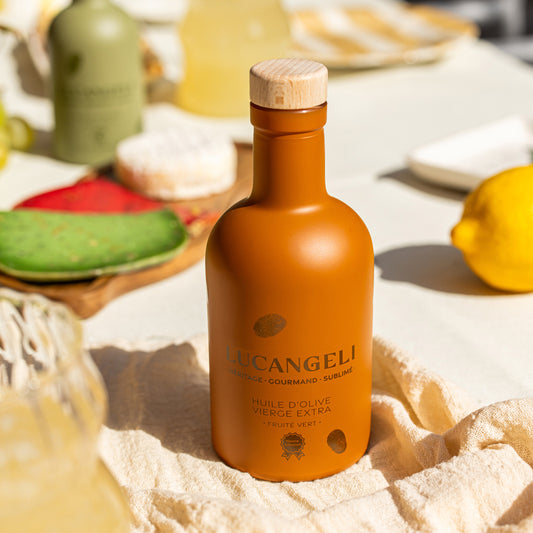
For centuries, Mediterranean cuisines have learned to make the most of each season. In spring, a true rebirth takes place on our plates: markets fill with tender greens, flavors lighten, and meals regain a welcome lightness after the winter months. In Calabria, southern Italy, this seasonal transition is celebrated as a festival — the return of light and the first harvests. The 200ml olive oil trio from Lucangeli perfectly illustrates the diversity of flavors that spring invites us to explore.
Seasonal vegetables at the heart of Mediterranean cuisine

Mediterranean cuisine is inseparable from the rhythm of the seasons. Each month brings its share of new produce to the stalls, and spring is undoubtedly the most generous season. Asparagus, peas, fava beans, artichokes, radishes, new carrots, fresh spinach… These early vegetables are the basis of a simple, colorful, and characterful cuisine. They naturally pair with the great culinary traditions of the Mediterranean basin, from Calabria to Provence, passing through Greece and Spain.
Asparagus, peas, fava beans: the stars of spring
In spring, asparagus makes a grand return to our tables. Delicate and slightly bitter, they lend themselves to numerous preparations: pan-fried, oven-roasted, in a creamy soup, or simply steamed. To enhance their flavor, a drizzle of organic ripe fruity olive oil is enough to reveal all their finesse. Peas and fava beans, meanwhile, bring an incomparable vegetal sweetness. In Southern Italy, they are often prepared as bruschetta or rustic purée, with a generous drizzle of olive oil and a few fresh mint leaves.
How to prepare them simply
One of the great assets of spring vegetables is their ease of preparation. No need for complex techniques: a short steaming or pan-frying, a few fresh herbs, a careful seasoning, and you're done. To add an original touch to your dishes, consider bergamot olive oil, whose citrus notes pair wonderfully with seasonal green vegetables. A drizzle over grilled asparagus or a fresh fava bean salad, and all the light of Calabria invites itself to your plate.
Olive oil, a pillar of spring cuisine

It's impossible to talk about Mediterranean cuisine without mentioning olive oil. A fundamental ingredient of this ancient gastronomy, it is at once a condiment, a cooking fat, and a flavor enhancer. In spring, we favor oils with fresher and fruitier aromatic profiles, which harmonize with the lightness of seasonal dishes. An extra virgin olive oil, from a careful harvest and cold pressing, guarantees a taste result that meets your expectations.
Choosing the right oil for different dishes
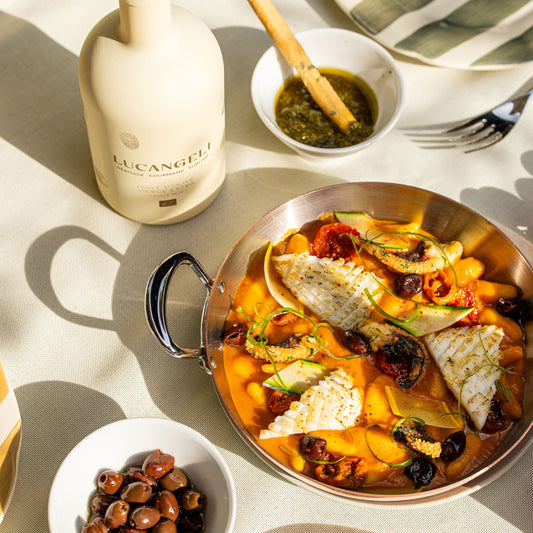
Not all olive oils are alike, and the choice of oil can transform a dish. For spring salads and raw vegetables, an organic green fruity olive oil — with herbaceous and slightly peppery notes — will bring character and freshness. For milder dishes, such as a pea risotto or fava bean purée, a organic ripe fruity olive oil, which is rounder and more enveloping, will be preferred. As for fish and seafood, bergamot olive oil is a refined option that always pleasantly surprises.
Raw or cooked: two ways to use olive oil
Olive oil is distinguished by its versatility in cooking. Used raw, drizzled over a salad or as a finishing touch to a hot dish, it reveals the full complexity of its aromas. Used in gentle cooking, it brings tenderness and depth to sautéed or stewed vegetables. In both cases, the quality of the oil makes all the difference. Extra virgin olive oils from family olive groves in Calabria, like those from Lucangeli, guarantee a taste result that meets your expectations.
Spreads and condiments to enhance your spring meals
Spring Mediterranean cuisine is not limited to vegetables and olive oil. Condiments and spreads play an essential role in composing meals: they bring depth, complexity, and a touch of conviviality that transforms even the smallest meal into a moment of sharing.
Antipasti, a timeless Mediterranean tradition
Antipasti is more than just a starter: it's a way of life. In Italy, it marks the beginning of the meal and sets the tone for what is to follow. In spring, we prepare light and colorful antipasti, based on marinated vegetables, olives, and artisanal spreads. Pitted black olives in extra virgin olive oil are a timeless classic, as is the rich and fragrant black olive tapenade. To vary the pleasures, the sun-dried tomato tapenade brings a sunny and slightly tart note that awakens the taste buds.
Composing a spring board
The sharing board has become a must for convivial meals, and spring is the ideal season to create one. Combine raw or marinated vegetables, a few slices of toasted bread, fresh cheese, and a selection of Mediterranean spreads. The DOP basil pesto pairs perfectly with grilled vegetables or fresh pasta. For a complete and varied board, the set of 4 tapenades is a practical and gourmet option, allowing you to discover several flavors in a single tasting. A few drops of IGP balsamic vinegar on burrata or fresh strawberries, and your spring table is complete.
Spring Mediterranean cuisine is above all an invitation to slow down, to choose quality products, and to cook with simplicity. Seasonal vegetables, good olive oil, a few local condiments: these are the ingredients for a table that makes you feel good, brings people together, and tells a story. The story of a sunny South, a family attached to its roots, and expertise passed down from generation to generation.




 lucangeli.it