


For generations, our ancestors in Mediterranean countries have known how to preserve the flavors of time in glass jars sealed with golden olive oil. An ancestral gesture that has spanned the ages and continues to amaze us today. Because it's not just about preserving food, but about enhancing it, transforming it into gastronomic treasures that transport us to distant memories.
The secrets of a thousand-year-old tradition

Mediterranean history is full of stories of family transmission, of recipes passed down from generation to generation. And among these ancestral gestures, the preservation of food in olive oil holds a special place. This age-old technique has its roots in the need to preserve abundant harvests for more difficult months.
The magic of maceration
Maceration in olive oil is a fascinating natural process. The oil creates a protective barrier around the food, thus preserving it from air and humidity that could alter it. This golden envelope allows the flavors to concentrate and improve with time, transforming simple vegetables into real delights.
Jars as precious cases
For this magic to work, it is essential to choose quality glass jars and sterilize them carefully before filling them. The container plays a crucial role in preserving flavors. It must be airtight and resistant, to protect food from external aggressions and keep its taste intact.
The art of antipasti: when vegetables become treasures

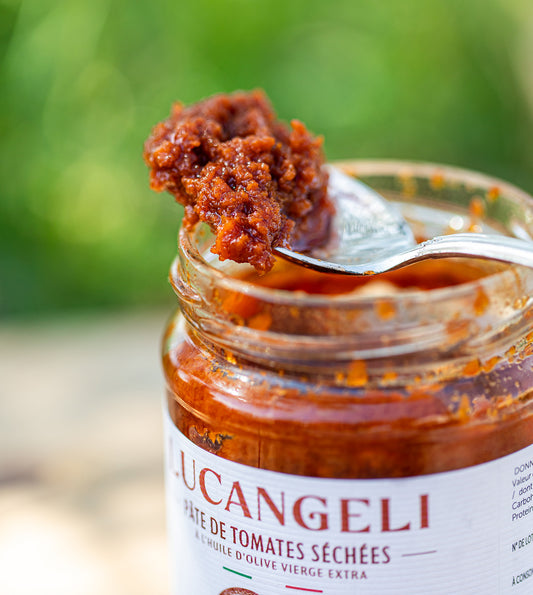
Among the foods most often preserved in olive oil are candied vegetables and dried tomatoes. The latter are particularly appreciated for their concentrated taste and melting texture. These dried tomato tapenades capture the essence of summer and bring a sunny touch to all dishes.
Zucchini, eggplant and peppers also lend themselves wonderfully to this technique. Grilled and then immersed in herb-scented oil, they become tender and flavorful, ready to garnish an authentic antipasti table.
Olives, black jewels of preservation
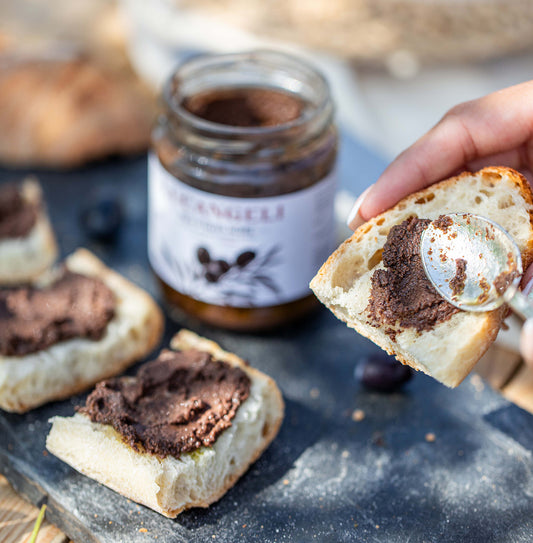
Olives, these jewels of the Mediterranean basin, are also highly prized for their unique taste. When preserved in olive oil, they reveal all their intensity and complexity. The black olive tapenade reveals all the richness of this fruit and is a real treasure to enjoy on toasted bread.
Choosing your olive oil: the soul of preservation
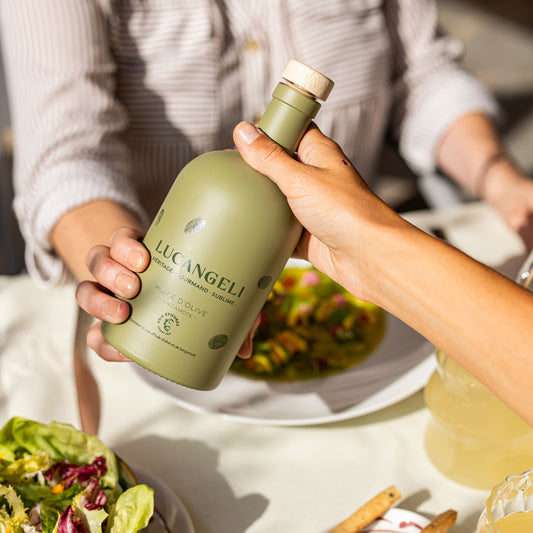
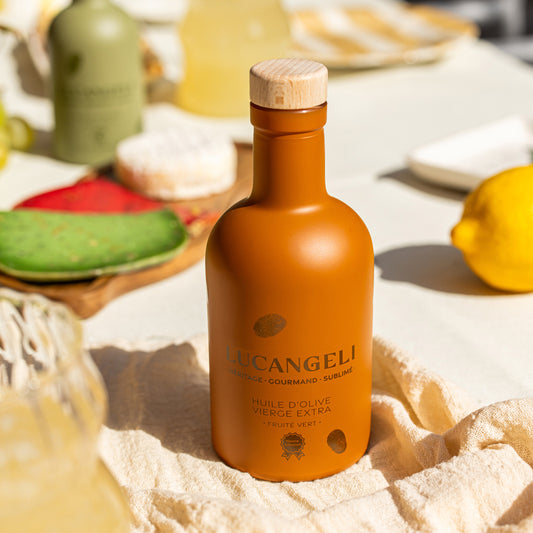
For successful food preservation, it is essential to choose an exceptional quality olive oil. A cold-pressed organic green fruity olive oil is the best option to preserve the flavors and nutrients of food. Its freshness and herbaceous character enhance vegetables while protecting them.
The quality of the oil determines not only the preservation but also the final taste of the preparations. An oil rich in aromas will bring an additional dimension to the foods it preserves.
Flavored oils, a touch of exception
Why settle for natural olive oil when you can add a touch of exception? Flavored oils offer an original way to enhance food. Bergamot olive oil brings a delicate citrus note that awakens the taste buds and transforms each bite into a sensory journey.
These scented oils make it possible to create unique preserves, where each jar tells a different story, combining tradition and creativity.
Thus, the art of preserving food in olive oil transcends simple necessity to become a celebration of flavors. This millennial tradition reminds us that time can be a precious ally, transforming the products of the earth into gastronomic treasures that span the seasons. In each sealed jar lies a fragment of summer, a promise of flavors that accompany us throughout the year.




 lucangeli.it