


Virgin, extra virgin, lampante: what the labels really mean
Virgin olive oil, extra virgin olive oil, lampante olive oil: these are the three main categories recognised by European regulations. Each one meets precise criteria in terms of production, taste and use. Knowing how to tell them apart means avoiding mistakes when you buy and when you cook.
Extra virgin olive oil: the purest one for tasting
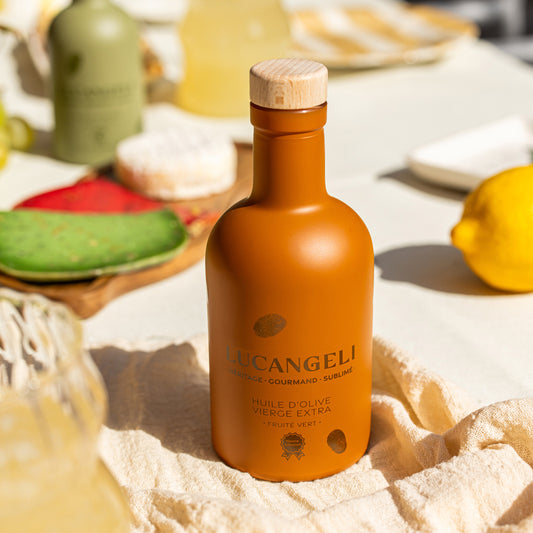
Extra virgin olive oil is the strictest category. It has to be extracted by mechanical means only, cold, with no chemical treatment whatsoever. Its free acidity does not exceed 0.8%, and it shows no sensory defect when tasted. It is the ideal oil for salads, raw dishes, or to enjoy on a fine antipasti board. Discover the 200 ml olive oil trio to explore different expressions of fruitiness.
Virgin olive oil: for everyday cooking

Virgin olive oil is also obtained by mechanical pressing, but it allows a free acidity of up to 2% and slight organoleptic defects. Less rare than extra virgin, it is perfectly suited to cooking, marinades or slow-cooked dishes. For authentic Mediterranean cooking, you can also go for the organic ripe fruity olive oil 200 ml, to discover depending on what you feel like.
Lampante olive oil: not edible as it is
Lampante olive oil, often overlooked, has an acidity above 2% and shows pronounced defects in taste. It is not meant for direct consumption: it has to be refined to become edible, and then loses most of its aromas. This category, once used for oil lamps, is never found bottled on general retail shelves.
The criteria that make the difference
To choose your olive oil well, reading the label is not enough. Here are the main criteria to check:
- Free acidity: the lower it is, the better the sensory quality.
- Extraction process: go for oils that mention "cold extraction" or "cold pressing".
- Sensory defects: an extra virgin oil shows neither rancidity nor any taste defect.
- Origin and traceability: some oils state their variety or their terroir, like the jeroboam of organic extra virgin olive oil.
For professionals, or to personalise your table, also have a look at the customisation section to create a bespoke experience.
Why these distinctions really matter in the kitchen
The impact on taste and cooking

An extra virgin olive oil brings out flavours raw, while a virgin oil stands up better to heat. Lampante, for its part, has no place in the family kitchen. Choosing the right category is what makes your dishes work.
What nobody tells you about the regulations
The official tasting, known as the "panel test", is mandatory for every batch of extra virgin olive oil: a panel of experts confirms the absence of defects. This very strict test explains why some oils do not earn the "extra" label despite a fine origin.
The question of price and transparency
Extra virgin olive oil costs more to produce, because it demands flawless olives and careful extraction. The price difference on the label reflects that requirement, but also the origin and the methods used.
Checklist for choosing your olive oil
- Check for the "extra virgin" label for an oil to be enjoyed raw.
- For cooking, a virgin oil is often enough.
- Avoid oils with no clear indication of category.
- Go for traceability and origin on the label.
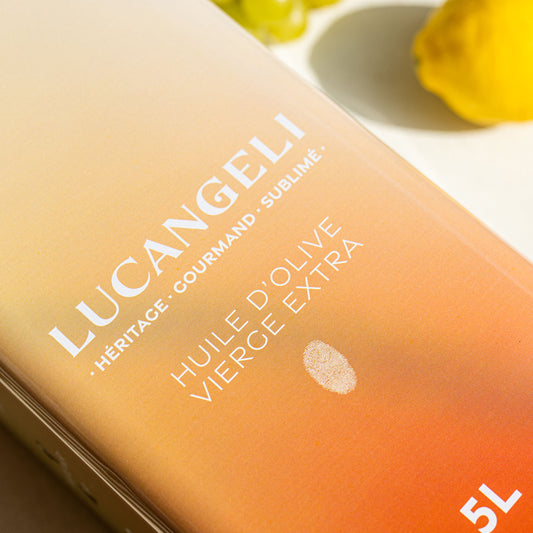
- Discover the formats suited to your use, like the 5 L can of organic olive oil for the family or the 2x500 ml discovery duo.
Frequently asked questions
What is the difference between extra virgin and virgin olive oil?
Extra virgin oil has a lower acidity and no taste defect, while virgin oil allows slight defects and a higher acidity.
Can you consume lampante olive oil?
No, it has to be refined before being consumed. Pure, it is not sold as food.
Which olive oil should you choose for everyday cooking?
Virgin olive oil works very well for cooking. For dressing or tasting, go for extra virgin.




 lucangeli.it