


Why choose a ripe fruity olive oil in professional kitchens
Ripe fruity olive oil stands out for its gentle aromas, its notes of yellow fruit, almond and sometimes ripe apple. This aromatic profile appeals to a wide range of guests and works just as well for finishing as it does in dressings. Unlike greener or intensely grassy oils, it blends in without dominating the flavors of a dish, which makes it versatile across a varied menu.
Bringing an organic ripe fruity olive oil 200 ml into your restaurant lets you offer an authentic Mediterranean experience, backed by a traceable origin and a profile everyone can agree on. It also answers the growing demand for products with a strong identity, rooted in their terroir, and helps set your establishment apart.
For easier management, the ripe fruity olive oil 1 L limited edition format strikes a good balance between volume, freshness and stock rotation.
You can also see how personalizing your bottles through the personalization service can strengthen your brand image with customers.

Culinary uses and how to showcase them on your menu
Finishing and plating
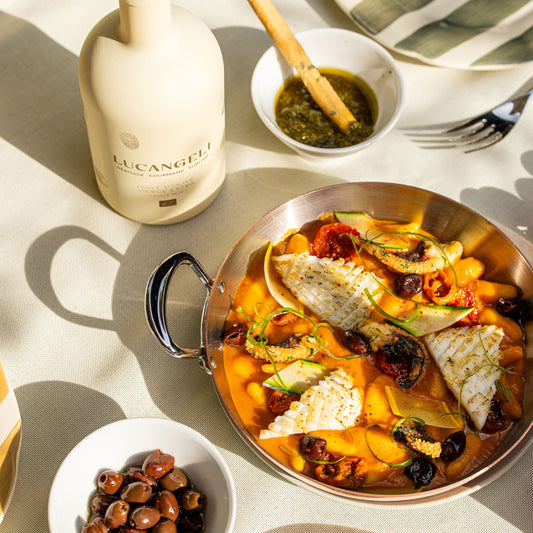
Ripe fruity olive oil is used as a finishing touch on white meats, grilled fish, roasted vegetables and risottos. It brings roundness and elegance without masking the main ingredients. A drizzle over a bruschetta or a late-summer salad is enough to assert the Mediterranean signature of the dish.
- For example: a creamy risotto with a drizzle of ripe fruity oil as it leaves the pass.
- Heirloom tomato salad, with a final touch of ripe fruity oil to round out the acidity.
- Roasted summer vegetables, finished with ripe fruity olive oil to bring out their sweetness.
Add ripe fruity olive oil to an aperitif board to go with your spreads, or serve it with homemade bread, enhancing the guest experience right from the aperitif.
Gentle cooking and dressings
For gentle cooking (sautéed vegetables, papillotes, white meats), ripe fruity oil handles moderate heat well and keeps its aromas. In dressings, it elevates fish or meat carpaccio, and pairs harmoniously with mild balsamic vinegars such as the PGI balsamic vinegar of Modena, Gold collection.
Consider offering a selection of oils at the table or in the dining room, explaining the differences in profile to your guests to spark curiosity and raise the perceived value of what you serve. The trio of 200 ml olive oils is ideal for this kind of service.

Management, storage and stock rotation
Formats suited to food service
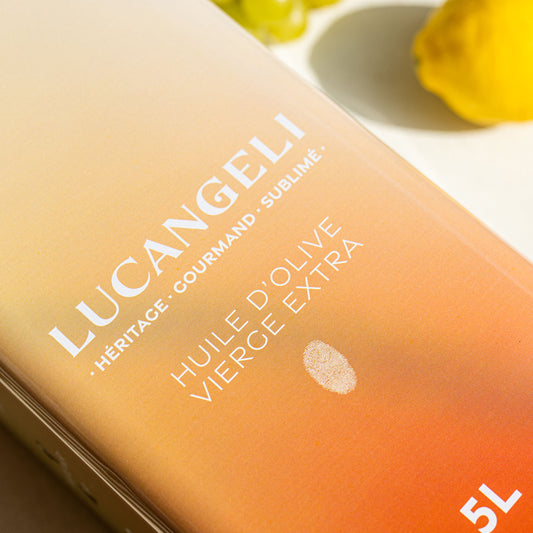
The choice of format is decisive for limiting oxidation and guaranteeing the freshness of the product. The 5 L can suits large volumes, but for a ripe fruity olive oil intended for finishing or for the dining room, go for 1 L or 500 ml containers so that stock is renewed regularly.
For high-turnover establishments, the 5 L can keeps the kitchen supplied while limiting shortages. For table service, 200 ml to 500 ml bottles are more elegant and practical.
Good storage practices
- Store the oil away from light and heat, ideally in a dedicated store room.
- Use opaque or steel bottles in the dining room to preserve the aromas.
- Note the opening date on each bottle to ensure optimal rotation.
- Plan a team tasting with every change of batch to guarantee a consistent aromatic profile.
The professional management of olive oil is made easier by rigorous stock monitoring and regular staff training on uses and presentation in the dining room.
Frequently asked questions
What is the difference between ripe fruity and green fruity olive oil in a professional kitchen?
Ripe fruity oil has gentler aromas and less pungency, which makes it a safer bet with a broad clientele. It suits delicate dishes and finishing, while green fruity oil brings more liveliness and vegetal notes, suited to salads and bold dishes.
How do you keep ripe fruity olive oil from oxidizing in a restaurant?
Use opaque containers, store away from light and heat, and limit the time between opening and use. Choose volumes matched to your throughput for fast rotation.
Which format of ripe fruity olive oil should you choose for a restaurant?
For the kitchen, the 5 L can is economical. For table service or finishing, go for 200 to 500 ml bottles, which can be personalized to reinforce your table identity.
Going further
- Discover the selection of extra virgin olive oils for food service.
- Head to the professionals area for tailored advice and volumes suited to your establishment.




 lucangeli.it