


Ribollita is the quintessential autumn and winter soup of Tuscany: cavolo nero, white beans, root vegetables and stale bread, all “re-boiled” into a dense, deep dish. What makes all the difference is the green fruity olive oil poured raw as you serve — not before, not during, just at the very last moment.
The name comes from the verb ribollire: to boil again. Historically, Tuscan farmers reheated the previous day's leftover soup, which thickened the bread and concentrated the flavours. That double cooking has stayed at the heart of the authentic recipe.
Ribollita ingredients: what to pick in October

October is the ideal month to make this dish. Tuscan black cabbage, cavolo nero, is at full maturity as soon as the first cold spells arrive — its leaves have had time to develop their characteristic bitterness. New-harvest carrots, celery and potatoes are also at their peak.
Here are the ingredients for 4 to 6 people:
- 400 g dried white beans (cannellini type), soaked overnight, or 2 jars of 400 g, drained
- 1 bunch of Tuscan black cabbage (cavolo nero), about 400 g of cleaned leaves
- 2 carrots
- 2 celery sticks
- 1 yellow onion
- 2 garlic cloves
- 2 waxy potatoes
- 400 g canned chopped tomatoes
- 200 g stale Tuscan bread (or a dense-crumbed country loaf, ideally two days old)
- 1.2 to 1.5 L of water or vegetable stock
- Salt, black pepper
- Organic green fruity olive oil to finish, and a little for the cooking base
The bread is an ingredient in its own right, not a garnish. Use a saltless loaf with a thick crust that holds up to cooking without falling apart straight away.
The ribollita recipe step by step
Day one: the long cook
- Soften the sliced onion in a drizzle of green fruity olive oil over medium heat for 5 minutes. Add the diced carrots and celery, then the crushed garlic. Let everything soften for 8 to 10 minutes without colouring.
- Stir in the chopped tomatoes and cook for 5 minutes to reduce them slightly.
- Add the drained white beans, the cubed potatoes and the stock. Bring to the boil, then lower the heat.
- After 20 minutes, add the black cabbage, central ribs removed and roughly chopped. Carry on cooking for 35 to 40 minutes over low heat, covered.
- Take out about a third of the beans, mash them with a fork or pass them through a food mill, then stir the purée back into the soup. This is what gives ribollita its dense, velvety texture.
- Add the stale bread cut into thick slices, stir gently, and let it rest off the heat with the lid on. Let it cool completely before refrigerating overnight.
Day two: the “re-boil”

Reheat the soup over medium heat, stirring regularly. It will have turned almost solid: that's normal. Add a little water if needed to get a thick but pourable texture.
Taste and adjust the salt. Cook for another 15 to 20 minutes over low heat so the aromas blend completely.
Ribollita can also be made in a single session if you're short on time, but the overnight pause is what turns a good soup into a memorable dish.
Green fruity olive oil: when to add it, how much and why
Olive oil isn't a cooking ingredient in the finished ribollita: it's the finishing element that signs the dish. You pour it raw, in a generous drizzle, straight into the bowl as you serve.
Which profile to choose
Black cabbage is a bitter, vegetal vegetable. White beans bring a creamy sweetness. That contrast calls for an oil with character, with pronounced bitterness and pungency — exactly the register of green fruity oil.
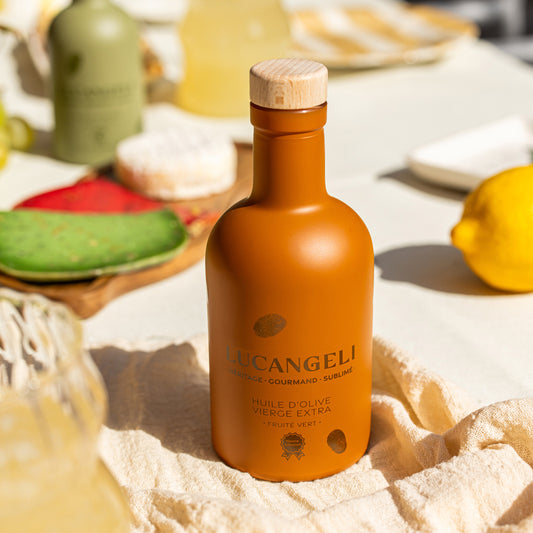
An organic green fruity oil, from varieties like the Calabrian Carolea, has a grassy profile, slightly peppery on the finish, with a clear pungency that extends the richness of the beans without erasing it. That character stands up to black cabbage and blends into it naturally, where a ripe fruity oil, rounder and softer, would tend to disappear. If you prefer a more velvety finish, ripe fruity olive oil remains a valid alternative, particularly for palates that are less keen on pungency.
How much
Count on a generous tablespoon (about 12 to 15 ml) per bowl. Don't hold back: that drizzle is what turns a peasant dish into a dish for the table. Ribollita is dense; the oil brings the aromatic binding and the visual shine.
The exact moment
Pour the oil at the very last moment, over the hot soup already served in the bowl, never into the pan while it's heating. The heat of the soup releases the aromas immediately without cooking the oil, which preserves all the freshness of the green fruity profile.
To go further in exploring oil profiles, the discovery duo lets you compare green fruity and ripe fruity on the same dish, which is a concrete way to understand the impact of your oil choice in the kitchen.
If you host guests regularly or want to offer this experience in a professional setting, the professionals area gives access to the formats suited to restaurants and large-scale kitchens.
Frequently asked questions about ribollita
Can ribollita be made in a single day?
Yes, technically. Add the bread an hour before serving, let it rest off the heat and reheat gently. The result will be good, but the texture will be less bound and the flavours less melded than after a night's rest. If you have the time, the double cooking is really worth it.
Which bread should you use if you don't have Tuscan bread?
Any country loaf with a dense crumb and a thick crust will do. Avoid industrial sandwich bread, which breaks down too fast and makes the soup gluey. A two-day-old loaf is ideal: it absorbs the stock without falling apart.
Can ribollita be frozen?
Yes, and it freezes very well once the bread is in. Freeze it in individual portions, thaw it in the fridge the day before and reheat gently over very low heat, adding a little water. Always pour the fresh oil as you serve, never when thawing.



 lucangeli.it