


With the arrival of good weather and long summer evenings, the aperitif dinner has established itself as the ultimate convivial format. In Italy, this tradition has a name: aperitivo. Much more than just a drink before a meal, it's a moment of sharing centered around a selection of carefully chosen dishes. Here's how to create an Italian aperitivo board that takes you on a journey, by focusing on quality artisanal products.
The Italian Aperitivo: A Convivial Tradition
What is Aperitivo?
Aperitivo is a ritual rooted in Italian culture since the 18th century. Originally, it referred to a slightly bitter drink served before a meal to stimulate the appetite. Today, it has transformed into a true social event, particularly vibrant in northern cities like Milan or Turin, but also throughout southern Italy. Aperitivo is enjoyed in the late afternoon, between 6 PM and 8 PM, accompanied by small bites called stuzzichini or antipasti. It's an invitation to slow down, chat, and enjoy the moment—a philosophy found in every black olive tapenade placed on a slice of toasted bread.
Simple Aperitif or Aperitif Dinner: What's the Difference?
A simple aperitif is limited to a few light snacks—olives, crisps, appetizer biscuits—served before a meal. An aperitif dinner, on the other hand, is designed to replace the evening meal. It consists of a variety of more substantial dishes, self-served on a table or board. In Italy, this format corresponds to the aperitivo allargato, literally "extended aperitif." To make it successful, the key lies in the diversity and quality of the products offered. A set of 4 artisanal tapenades, for example, is enough to transform a simple board into a true culinary journey.
Key Ingredients for a Successful Italian Aperitivo Board

Spreads and Condiments: The Heart of the Board
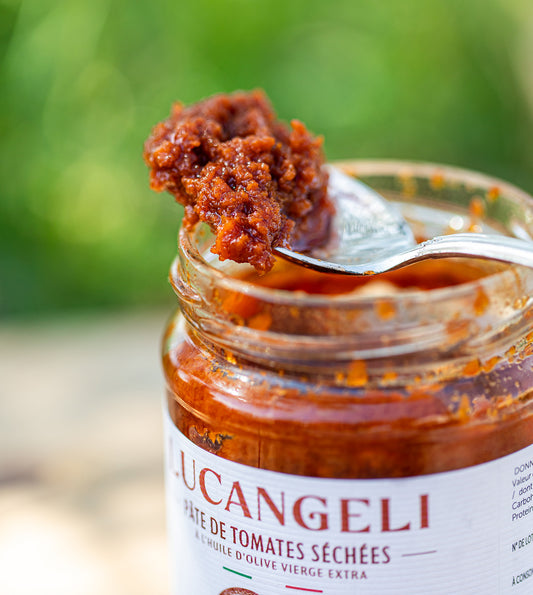
Spreads are the soul of an Italian aperitivo board. They provide the aromatic depth and diversity of flavors. Among the essentials: sun-dried tomato tapenade, intense and slightly sweet, ideal on a bruschetta or breadstick. DOP basil pesto, prepared with Ligurian basil and extra virgin olive oil, brings incomparable herbaceous freshness. Black olive tapenade with extra virgin olive oil, meanwhile, offers a frank and generous flavor. These spreads are placed in small ramekins or directly on the board, next to the accompaniments.
Accompaniments: Bread, Breadsticks, Vegetables
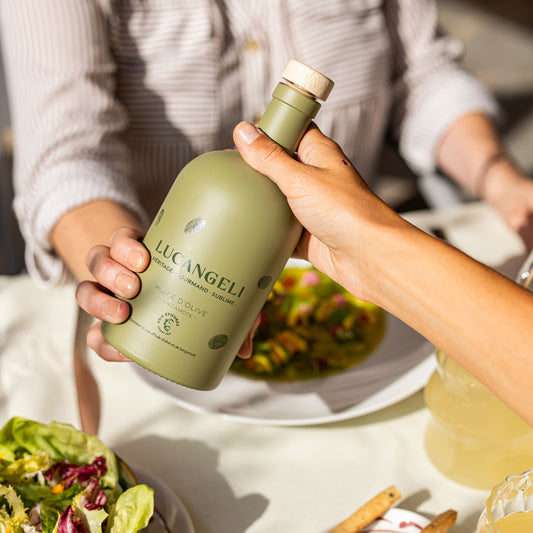
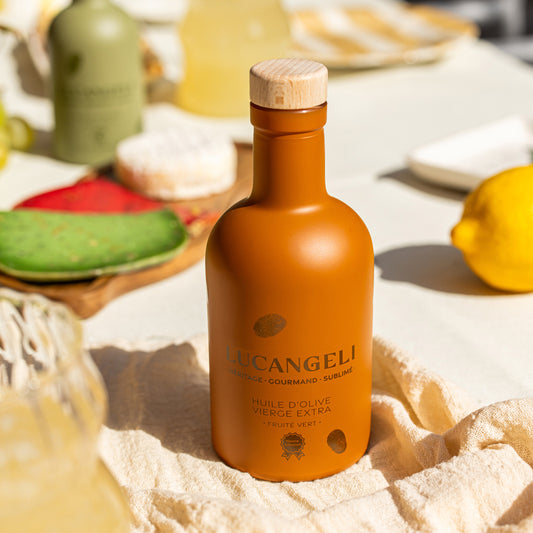
To highlight the spreads, suitable supports are needed. Bread is essential: homemade or store-bought focaccia, lightly oiled and crispy, is perfect. Grissini, these thin dry breadsticks typical of Piedmont, are ideal for dipping in condiments. For vegetables, opt for cherry tomatoes, raw zucchini sticks, radishes, or grilled peppers. These elements bring freshness and color to the board. A drizzle of organic green fruity olive oil on grilled vegetables or focaccia makes all the difference: its herbaceous and slightly peppery notes enhance every bite.
Italian Cheeses and Cured Meats
An Italian aperitivo board would not be complete without a selection of cheeses and cured meats. For cheeses, mozzarella di bufala, gorgonzola, pecorino, and parmesan (parmigiano reggiano) are safe bets. For cured meats, Parma ham (prosciutto di Parma), Mortadella di Bologna, coppa, and bresaola offer varied and complementary flavors. Arrange them in thin slices or small cubes on the board, alternating textures and colors. Pitted black olives with olive oil complete the ensemble with their sweet and fruity flavor, characteristic of Southern Italian olives.
How to Arrange and Serve Your Italian Aperitivo Board?

Visual Organization of the Board
Presentation is as important as content. For a successful Italian aperitivo board, use a large wooden board or a slate platter. Start by placing the largest items (cheeses, cured meats), distributing them across the board. Then add the ramekins of spreads, and fill the spaces with accompaniments (breadsticks, vegetables, olives). The goal is to create a generous, colorful, and balanced board where every guest can serve themselves freely. Provide small spoons for the spreads and toothpicks for the bites. For a complete aperitif dinner, allow about 150 to 200 g of products per person.
Finishing Touches with Olive Oil and Balsamic Vinegar
The finishing touches make the difference between an ordinary board and an exceptional one. A drizzle of organic ripe fruity olive oil on mozzarella or grilled vegetables brings sweetness and roundness. For a more original touch, bergamot olive oil—awarded at the Épicures 2023—enhances fresh cheeses and bruschetta with its citrusy and floral notes, typical of Calabria. A few drops of IGP balsamic vinegar Gold collection on a slice of parmesan or bresaola create a remarkable sweet-savory pairing. These quality condiments, from artisanal Italian productions, transform every bite into a culinary experience.
Ideas for a Summer Terrace Aperitif Dinner
In summer, an aperitif dinner is particularly well-suited for a terrace or garden. Some practical tips: take cheeses and cured meats out of the refrigerator 30 minutes before serving so they can fully express their aromas. Prepare the spreads in advance and keep them chilled until the last moment. For drinks, a fresh prosecco, a spritz, or sparkling water with lemon slices pair perfectly with Italian flavors. If you want to offer this experience to your loved ones or colleagues, a customizable gift box with a selection of artisanal Italian products is an original and appreciated idea.
Creating a successful Italian aperitivo board relies above all on the quality of the chosen products. Artisanal spreads, characterful olive oils, IGP balsamic vinegar, marinated olives: these are the details that make the difference and transport your guests for an aperitif. The Italian aperitivo is the art of entertaining well without complicating life—a philosophy found in every carefully selected product to enhance your summer tables.





 lucangeli.it