


Spring has finally arrived, and with it, the desire to feast on fresh and flavorful dishes. And what better way to celebrate one of Italy's culinary treasures: pesto. This sauce, made with basil, garlic, pine nuts, Parmesan, and organic fruity green olive oil, is a staple of Italian cuisine. But did you know that it can be used far beyond traditional pasta? In this article, we'll give you all the tips for using pesto in original and delicious ways.
Pesto: Much More Than a Pasta Sauce

Pesto is a sauce originating from Genoa, in Liguria, northern Italy. Now appreciated worldwide, it comes in different versions. For an authentic experience, we recommend DOP Basil Pesto, prepared according to the traditional recipe with quality ingredients. This type of pesto adheres to strict specifications that guarantee its origin and production method.
What is DOP Basil Pesto?
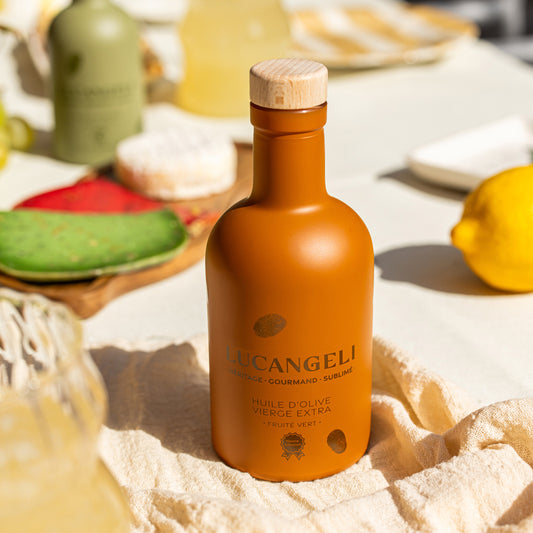
DOP Basil Pesto is a product protected by a controlled designation of origin. This means it must be made with specific ingredients from the Genoa region, following a traditional production method. The basil used is a particular variety, with smaller and more fragrant leaves, which gives the pesto its unique character. To further enhance this exceptional product, an organic fruity green olive oil adds the herbaceous freshness that makes all the difference.
Jarred Pesto or Homemade Pesto: How to Choose?
If you don't have time to make your own pesto, a quality jarred pesto is still an excellent option. The main thing is to check the ingredient list: basil first, extra virgin olive oil, Parmesan, pine nuts, garlic, without additives or preservatives. For those who want to try making it, the homemade recipe is simple: blend fresh basil, garlic, pine nuts, Parmesan, and a good olive oil. You can also enrich your preparation with pitted black olives in olive oil for a more Mediterranean version.
5 Original Ways to Use Pesto in Cooking

Pesto is not just for pasta. Here are five uses that will transform your daily cooking, especially this spring season when fresh vegetables are abundant.
On Toast and as an Appetizer
Pesto is perfect for accompanying grilled bread for an appetizer. Spread on a slice of country bread, it pairs very well with fresh mozzarella or grilled vegetables. To create a complete appetizer platter, combine it with a set of 4 tapenades to vary flavors and textures. You can also use it as a base for homemade mini-pizzas, replacing classic tomato sauce.
In Salads and Seasonal Vegetables
Pesto is an excellent alternative to classic vinaigrettes. Diluted with a drizzle of olive oil and a few drops of lemon juice, it becomes a light and fragrant sauce to season your seasonal salads. It pairs particularly well with green asparagus, raw zucchini ribbons, or green beans. For a more generous salad, add a black olive tapenade as a final touch for added depth.
As a Marinade and Sauce for Meats and Fish
Pesto can also serve as a marinade for white meats or fish before cooking. Mixed with a little olive oil and lemon juice, it perfectly coats a chicken fillet or cod. After cooking, it can also be used as an accompanying sauce, drizzled directly over the meat or fish. For a complete and flavorful meal, accompany it with a customizable gift box if you're hosting guests – a lovely way to share Italian flavors.
Pairing Pesto with Other Italian Flavors
Italy abounds with complementary flavors. Pesto naturally combines with other local products to create unexpected gourmet pairings.
Pesto and Sun-Dried Tomatoes: A Winning Duo
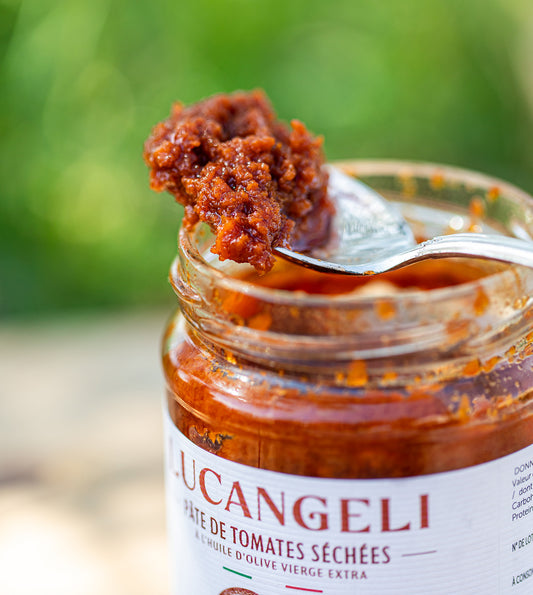
Pesto and sun-dried tomatoes form a classic Mediterranean culinary association. Together, they bring both the herbaceous freshness of basil and the concentrated sweetness of tomato. You can use them together on toast, in a pasta salad, or as a topping for focaccia. Sun-dried tomato tapenade is ideal for this type of pairing: its creamy texture blends perfectly with pesto to create a flavorful spread.
Pesto and Balsamic Vinegar: The Unexpected Pairing
Balsamic vinegar is another treasure of Italian gastronomy, known for its balance of sweetness and acidity. A few drops of IGP balsamic vinegar on a plate of grilled vegetables with pesto create a remarkable contrast of flavors. This pairing also works very well on a bruschetta: pesto as a base, fresh tomatoes, and a drizzle of balsamic to finish. A simple combination that always impresses.
Conclusion
Pesto is a versatile sauce that deserves to be explored far beyond pasta. Toast, salads, marinades, pairings with other Italian flavors: the possibilities are numerous and accessible to everyone. The main thing is to choose a quality pesto, made with real ingredients, and to combine it with products that meet the same high standards. In cooking, the quality of the ingredients often makes all the difference, and pesto is no exception.




 lucangeli.it