


Basil pesto is undoubtedly one of the most iconic sauces in Italian cuisine. Its vibrant green color and captivating aroma immediately evoke the Mediterranean sun and the flavors of the Ligurian region. But how do you choose a true quality Italian pesto from all the options available on the market? In this article, we will guide you through the different characteristics of authentic pesto and give you tips on how to use it in traditional or more original ways in your cooking.
What is pesto alla genovese?

Pesto alla genovese is a sauce typical of the Liguria region in northern Italy. Its name comes from the word "pestare" which means "to crush" in Italian, referring to the traditional method of preparing the sauce. Indeed, pesto is traditionally prepared by crushing all the ingredients in a marble mortar, which allows all the flavors to be released and creates a creamy and homogeneous texture. To accompany this exceptional condiment, a good organic green fruity olive oil will bring all the necessary aromatic intensity.
A sauce born in Liguria
Basil pesto was born in the 14th century in Genoa, the capital of Liguria. At the time, Genoese sailors used this sauce to accompany their long sea voyages. Indeed, pesto is a very practical sauce to preserve thanks to its ingredients, all of which are very resistant to heat and time. Today, pesto alla genovese is enjoyed all over the world and has become an essential ingredient in Italian cuisine. To explore other flavors of Italian terroir, sun-dried tomato tapenade is an excellent alternative to discover.
The authentic ingredients of DOP pesto
To obtain the DOP (Denominazione di Origine Protetta) designation, pesto alla genovese must be prepared with ingredients exclusively from the Liguria region. This includes fresh basil, garlic, Parmesan or Pecorino cheese, pine nuts, salt, and extra virgin olive oil. The proportions of each ingredient must also be respected to guarantee a balanced pesto in terms of flavors.
Mortar or blender: what's the difference?
The traditional method of preparing pesto with a mortar is certainly more laborious, but it allows for a creamier sauce and better preserves the aromas of the ingredients. However, if you don't have a mortar, you can also use a blender, being careful not to overmix it to avoid heating the sauce and altering its flavors. In any case, the quality of the ingredients remains paramount, starting with a mild and enveloping organic ripe fruity olive oil.
How to recognize quality pesto?
To ensure you buy authentic and quality Italian pesto, here are a few things to check before adding a jar of pesto to your basket.
Read the label: the tell-tale signs
First, check the ingredients listed on the label. A quality pesto should contain natural ingredients and avoid additives and preservatives. In addition, if you find the mention "DOP" or "Denominazione di Origine Protetta" on the label, this guarantees that the pesto has been prepared according to the strict standards of Ligurian tradition. To complete your Italian grocery shopping, also consider an IGP balsamic vinegar from Modena, another certified flagship of Italian gastronomy.
Industrial pesto vs. artisanal pesto
Industrial pestos are often prepared with lower quality ingredients and in large quantities to meet market demand. In contrast, an artisanal pesto will be prepared in smaller quantities with higher quality ingredients, which will be reflected in the taste and texture of the sauce. Black olive tapenade follows the same logic: only the quality of the olives and olive oil used makes the difference between an ordinary product and an exceptional condiment.
The role of olive oil in pesto
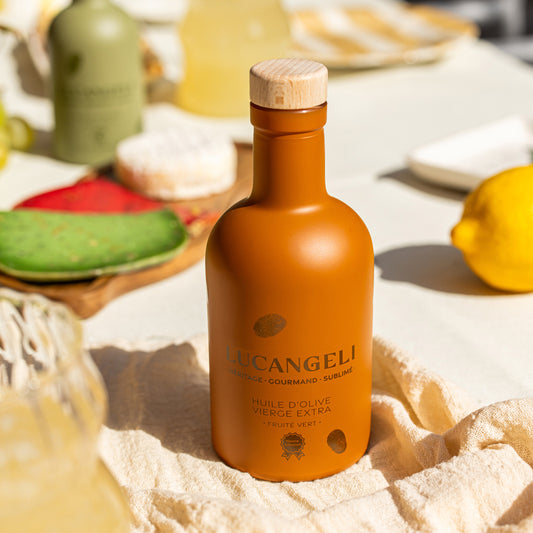
Olive oil is an essential ingredient in pesto preparation. It provides a creamy texture and helps bind all the ingredients together. For a quality pesto, it is recommended to use first cold-pressed extra virgin olive oil. At Lucangeli, we offer two options: an organic green fruity olive oil for a more intense and herbaceous pesto, or an organic ripe fruity olive oil for a softer and more subtle pesto.
How to use pesto in cooking?

Now that you've chosen a quality pesto, it's time to use it in your cooking! Here are some ideas for enjoying pesto alla genovese in traditional or more original ways.
The classics: pasta, bruschetta, vegetables
Pesto alla genovese is traditionally used to accompany pasta, especially short pasta like trofie, penne, or farfalle. You can also use it as a sauce for your bruschettas or to accompany grilled vegetables or baked potatoes. For a complete Italian meal, our DOP basil pesto with extra virgin olive oil is an essential reference.
Original ideas to enhance your dishes
To vary your pleasures, you can also use pesto to flavor your salads or sandwiches, or to top a pizza or a gratin. You can also add it to your soups or sauces to bring a touch of freshness and flavor. For a generous and colorful aperitif, the set of 4 tapenades is ideal for offering several Italian flavors to your guests.
Pairing pesto with other Italian condiments
For a successful aperitif, you can pair your pesto with other Italian condiments. For example, sun-dried tomato tapenade is an excellent accompaniment to pesto. You can also try black olive tapenade for a perfect marriage of flavors. If you want to offer a beautiful gourmet gift, our customizable gift box allows you to select the Italian products that best suit you.
In conclusion, to choose a true quality Italian pesto, opt for DOP pestos prepared with natural and high-quality ingredients. At Lucangeli, we offer a DOP basil pesto with extra virgin olive oil, as well as other quality Italian products such as our IGP balsamic vinegar or our customizable gift boxes to suit your desires. Feel free to explore our online store to discover all our products and enjoy true Italian cuisine at home.






 lucangeli.it