


Olive oil malaxation: a simple definition
Malaxation is one of the fundamental steps in making extra virgin olive oil. After the olives are crushed, the resulting paste is slowly stirred to help the micro-droplets of oil come together and separate from the water and the solid matter.
This operation, carried out at a controlled temperature (generally below 27°C to guarantee cold extraction), directly influences the yield and the aromatic profile of the oil obtained. Malaxation that is too short reduces the yield, while malaxation that is too long can alter the aromas and increase oxidation.
To explore other technical aspects of olive oil, find out how cold extraction works or the differences between green fruity and ripe fruity.
Why does malaxation matter so much?

Malaxation is not only a question of yield. Its duration, its temperature and the quality of the paste influence:
- The amount of oil extracted.
- The intensity of the aromas (fresh grass, tomato, almond…).
- The stability of the oil over time.
Good malaxation produces a balanced, expressive and stable oil. It is a step where the miller's know-how makes all the difference, especially for premium oils such as the trio of organic olive oils.
The risks of poorly controlled malaxation
- If the temperature rises too high (above 27°C), some volatile aromatic compounds are lost and the oil oxidizes faster.
- Malaxation that runs too long can give a more bitter or less expressive oil.
- Malaxation that is too short leaves oil in the paste and lowers the yield.
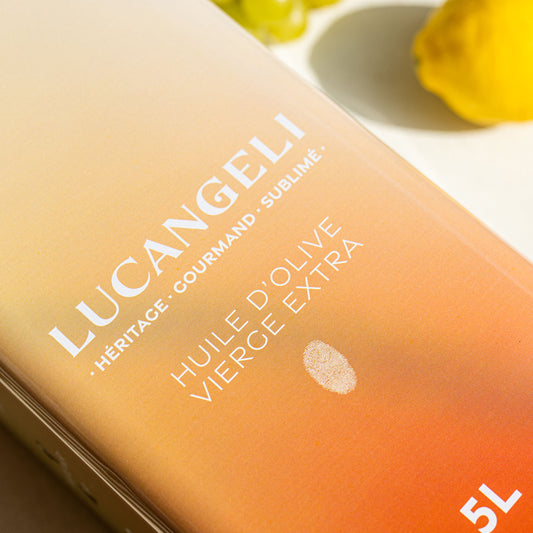
If you want to go further, choosing the 5 L tin of organic olive oil for home or professional cooking lets you compare the consistency of a well-made oil.
Malaxation, a decisive step for the final quality
The parameters to watch
- Malaxation time: between 20 and 40 minutes depending on the variety and the ripeness of the olives.
- Temperature: always below 27°C to preserve aromas and polyphenols.
- Atmosphere: some mills use a controlled environment (nitrogen) to limit oxidation.

What does this mean on your plate?
An oil that comes from well-controlled malaxation offers a wider aromatic range, a vivid color, a fluid texture and better keeping qualities. For enthusiasts and professionals alike, these are the details that make the difference at a tasting or on a finished dish.
To go further on selection criteria and on the restaurant experience, take a look at the professionals area and the bottle personalization options.
Checklist: recognizing an olive oil from good malaxation
- Clear, varied aromas (grass, tomato, artichoke depending on the variety).
- Green or golden color, without excessive cloudiness.
- A taste balanced between fruitiness, bitterness and pungency.
- Good keeping once opened (away from light and heat).
- The words "cold extraction" on the bottle.
Also discover the jeroboam of organic olive oil for large-scale tastings.
Frequently asked questions
What is malaxation in olive oil production?
Malaxation is the step where the olive paste is slowly stirred to let the droplets of oil come together before extraction.
Why does the malaxation temperature matter so much?
Too high a temperature causes aromas to be lost and speeds up the oxidation of the oil. For a quality oil, the temperature has to stay low.
How can you tell an olive oil came from well-controlled malaxation?
By its aromatic freshness, its clear color and its good keeping qualities, all signs of rigorous artisanal know-how.




 lucangeli.it