

The Italian presence in Brussels food culture
Brussels is home to one of the largest Italian communities in northern Europe. It is no accident that trattorias, delicatessens and pizzerias are so numerous here. Demand for quality Italian products is real, but the local offer remains uneven. Between supermarkets stocking industrial references and specialist delis that cover only part of the spectrum, there is a notable gap with what you find directly in Italy.
Balsamic vinegar is the clearest example. On most Brussels shelves you find balsamic condiments with no PGI protection, often enriched with caramel and very sweet in profile. The Modena PGI balsamic vinegar, Gold collection, produced to a strict specification in the province of Modena, is another story entirely: incomparable aromatic density, length on the palate and culinary versatility.
What the Modena PGI actually guarantees
The protected geographical indication is not a marketing argument. It imposes a production area (the province of Modena), authorised grape varieties, concentration of the must by cooking, blending with wine vinegar aged for at least ten years and a tasting panel before the product goes on sale. A non-PGI balsamic vinegar can be produced anywhere, with no constraint on raw material or ageing.
For a household in Brussels, the difference shows on the first drop over a rocket salad or a piece of Parmesan. For a restaurateur, it determines how coherent the menu is.
---
What consumers struggle to find in Brussels

The niche Italian products missing from conventional channels
Brussels delicatessens generally cover the essentials: dried pasta, tinned tomatoes, generic oils, a few cheeses and cured meats. What they almost never offer:
- A PGI balsamic vinegar available in several quality levels (Gold, Silver, Cristal white)
- An organic extra virgin olive oil with the harvest year shown
- 100% nut purees with no additives (pistachio, Piedmont hazelnut, almond)
- Products made with Calabrian bergamot, a citrus fruit almost unknown outside Italy
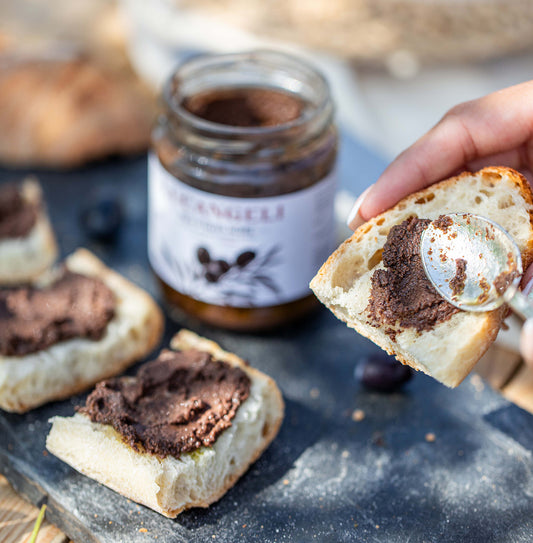
- Tapenades and spreads made with extra virgin olive oil, with no preservatives
Direct delivery from producers or specialist houses fills exactly that gap. The PGI balsamic vinegar with red onion, Épicures 2025 medal is an example of a product you will not find in conventional Belgian channels but that can be delivered within a few days.
How to build your Italian table in Brussels
For an autumn meal in Brussels, here is a selection that combines accessibility and authenticity:
The PGI balsamic vinegar, Silver collection is the most versatile entry point: it suits everyday cooking as much as a festive table. The Cristal edition white vinegar, for its part, opens up uses that classic balsamic does not allow, in particular on raw fish and pale preparations.
---
What Brussels restaurateurs need to know about sourcing from Italy

The specific constraints of the Belgian market
Belgium has a particularly dense restaurant scene for its size. Brussels alone concentrates several thousand active restaurants, a significant proportion of them Italian or Mediterranean. For these establishments, sourcing quality Italian products raises three recurring questions:
- Traceability: the PGI or PDO label must appear on the bottle, with the batch number. It is a requirement for establishments that mention it on their menu.
- Suitable formats: a forty-cover dining room that uses balsamic vinegar as a finishing touch goes through two to four bottles a week depending on how often it is used. You need intermediate formats — neither the 100 ml retail bottle nor a drum unsuited to service in the dining room.
- Consistent restocking: a premium product that disappears from the menu for two weeks breaks the experience. Direct delivery with a controlled lead time is often more reliable than a regional wholesaler who does not prioritise these references.
If you run a restaurant, a hotel or a catering business in Brussels, the trade area is where you can discuss the volumes, formats and delivery terms suited to your establishment.
The personalised bottle: a differentiator still underused in Belgium
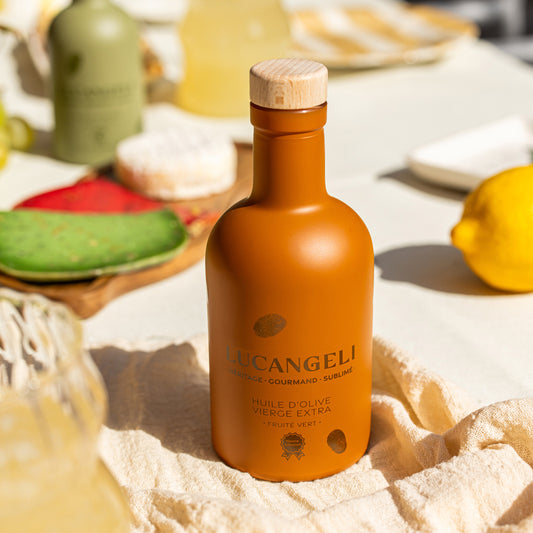
In Brussels luxury hotels and fine-dining restaurants, a bottle of olive oil or balsamic vinegar set on the table is still rare. Yet it sends a strong signal to the guest: care taken over the products, a culinary identity fully owned, an invitation to be curious. A bottle of orange and lemon olive oil, made by milling the fresh fruit together with the olives at the moment of extraction, set beside the house bread, tells a story in a few seconds.
Bottle personalisation starts from 24 units, with a design created by the establishment. It is almost virgin territory in Belgian hospitality.
---
Frequently asked questions
Can you order Italian products from Brussels with fast delivery?
Yes. Most specialist Italian houses deliver to Belgium within two to four working days. Shipping costs vary with the volume ordered, and some suppliers waive them above a certain threshold. It is worth checking the international delivery policy before placing an order.
How do you recognise a genuine Modena PGI balsamic vinegar in a Brussels deli?
The PGI mark must appear on the label, along with the producer's certificate number. The words “Province of Modena” are mandatory. Without those elements, you are looking at a balsamic condiment with no geographical protection, whose composition and origin may be very different.
Can Belgian restaurateurs get trade prices on premium Italian products?
Yes, provided you go through the dedicated channels. Most serious suppliers separate retail orders from trade orders. Volumes, formats, payment terms and support all differ. The trade area is the right entry point for this kind of enquiry.





 lucangeli.it