


Building an Italian cheese board: the essentials
Building an Italian cheese board is about far more than lining up a few cheeses: it’s about creating a warm, refined table experience, where the products you choose, the way you present them and what you serve alongside make all the difference. The selection of Italian cheeses, the range of textures and the pairing with condiments all play a central role.
The must-have cheeses to offer:
- Gorgonzola, creamy or sharp, for a touch of character.
- Taleggio, for its melting softness.
- Aged Parmigiano Reggiano, broken into shards.
- Pecorino sardo or romano, for its intensity.
- Robiola or fresh ricotta, for a lighter note.
Always include at least one blue cheese, one cooked-curd cheese and one fresh cheese so there’s variety. For the accompaniments, think about Italian bread, grissini, and why not a few fresh seasonal fruits such as figs or pears, which go perfectly with cheese.
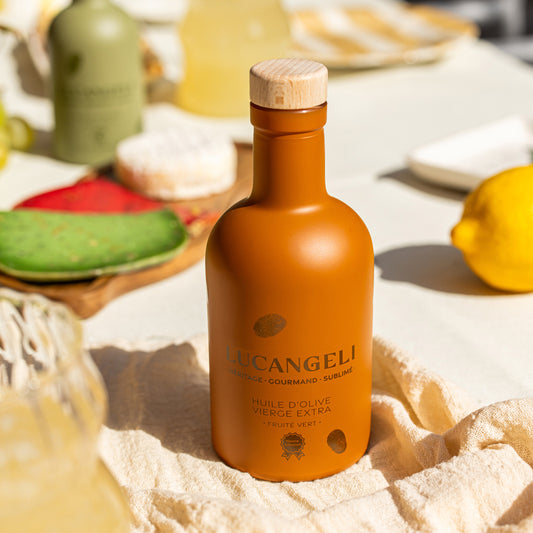
For a board that stands out, add a Modena PGI balsamic vinegar, Gold collection to bead over a Parmigiano, or a bergamot olive oil, Épicures d’Argent 2023, over fresh ricotta. These original touches are what set your table apart.

Also discover how to personalise your table for a dinner or an event.
Presentation and plating: the art of showing off every product
Choosing the right board
An olive wood, marble or slate board echoes Italian tradition while showing off the colours and textures of the cheeses. A well-chosen platter becomes a real decorative element on the table.
Order and harmony
Arrange the cheeses from mildest to strongest, working from the centre outwards. Cut some into cubes or shards, leave others whole to invite guests to cut their own at the table. Alternate colours, shapes and textures for an appetising visual effect.
Practical serving tips
- Take the cheeses out of the fridge 30 minutes before serving.
- Provide a different knife for each type of cheese.
- Set out labels or small slates to name each cheese and where it comes from.
Pairings and accompaniments: the detail that makes the difference
Which accompaniments should you choose?
- Fresh seasonal fruit: figs, pears, grapes.
- Nuts and dried fruit: walnuts, almonds, Piedmont hazelnuts.
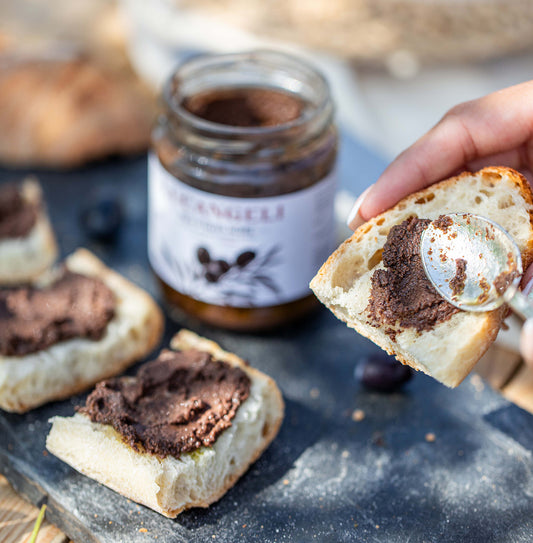
- Honeys and jams: the sweetness of bergamot works beautifully with aged cheeses.
- A variety of breads: ciabatta, focaccia, grissini.

To go further, pair each cheese with a specific condiment: gorgonzola loves a touch of red onion balsamic vinegar, pecorino comes alive with a dab of jam, fresh ricotta lights up with a drizzle of bergamot olive oil.
Pairing table: Italian cheeses and condiments
Discover more accompaniment ideas in the sweet grocery range and the balsamic vinegars.
Frequently asked questions about the Italian cheese board
How much cheese should you plan per person for an Italian cheese board?
For an aperitivo, count on 70 to 80 g of cheese per person; for a meal, plan up to 120 g.
How can you vary the flavours on an Italian cheese board?
Alternate mild, strong, fresh and aged cheeses, and pair them with different condiments (olive oil, vinegar, jam, fruit).
Which personalised items can you use to present a cheese board?
Go for an engraved board, small bowls for condiments, or a personalised bottle of olive oil, which you can create on the configurator.




 lucangeli.it