


Why pitted black olives change everything in autumn cooking
The classic mistake is to keep black olives for the aperitivo board or the summer salad. Yet in southern Italian cooking they go into dozens of hot preparations: slow-simmered sauces, pasta al forno, pulse soups, oven-roasted bruschetta. Heat releases their aromas, softens their natural bitterness and concentrates their fruity flavour.
One practical detail also changes things: pitted black olives preserved in extra virgin olive oil don't need to be rinsed or drained before going into a recipe. The olive oil coating them transfers straight into the dish and enriches the seasoning with no extra step. That's a real advantage over brined olives, which always need rinsing so they don't season too strongly.
Here are five concrete ways to make the most of them this autumn.
---
Five recipes for cooking black olives in autumn
1. Pasta alle olive nere with end-of-season tomatoes
This is the quickest recipe and the most faithful to Calabrian tradition. Sauté a garlic clove in the olive oil from your jar of olives, add about twenty cherry tomatoes cut in half, then a small handful of pitted black olives. Let it all stew for five minutes over medium heat. Tip the pasta, cooked al dente, straight into the pan with a ladleful of cooking water, and stir off the heat. The olives bring creaminess to the sauce without making it heavy.
End-of-season variation: add a few fresh rocket leaves to finish. The slight bitterness of the rocket works with that of the olives.
2. Gnocchi with black olive and roasted pepper sauce
Potato gnocchi go remarkably well with black olives. Roast two red peppers in the oven (200 °C, 30 minutes), peel them and blend them with about twenty black olives, a drizzle of olive oil and a pinch of chilli if you like. You get a thick, velvety sauce with no cream and no butter. Coat your hot gnocchi with it and finish with a few shavings of dry pecorino.
Roasted peppers are still available in September and October, which makes this a true seasonal dish.

3. Autumn vegetable and black olive gratin
A vegetable gratin is a simple way to work through the season's market vegetables. Layer courgette rounds, sliced mushrooms and potato slices in a gratin dish. Tuck whole black olives between the layers. Drizzle with olive oil, add chopped garlic, thyme and a little vegetable stock. Bake at 180 °C for 40 minutes.
The olives melt slightly as they cook and perfume the whole dish with a fruity, faintly bitter aroma that contrasts nicely with the sweetness of the vegetables.
4. Italian-style pulse soup with whole black olives
In Calabrian and Sicilian cooking, olives often go alongside pulse soups. Make a lentil or white bean soup with tomato, bay leaf and garlic. Ten minutes before the end of cooking, add a small handful of whole black olives. They soak up some of the broth and release a lightly fruity juice that gives the soup more depth.
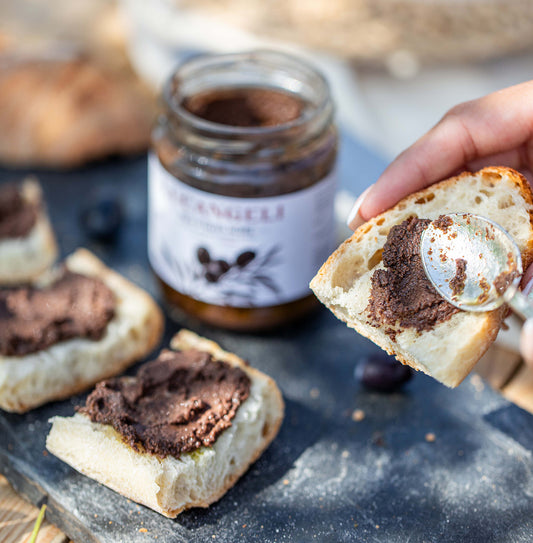
This is best eaten with a slice of toasted country bread. For an extra touch, you can add a spoonful of sun-dried tomato tapenade straight onto the plate as you serve: the two spreads work well as a pair.
5. Oven-roasted bruschetta with black olives and DOP pesto
Bruschetta isn't only a summer dish. In autumn, put it in the oven rather than under the grill for a softer texture. Spread DOP pesto over slices of sourdough bread, arrange pitted black olives on top and bake for three minutes at 200 °C. The heat concentrates the pesto and melts the olives slightly into the crumb. Serve hot, with a drizzle of olive oil to finish.
This pesto and black olive pairing is a classic in the Mezzogiorno: the herbaceous freshness of DOP basil and the fruity depth of the olive complement each other without cancelling each other out.
---
Summary table: which pairing to choose for each recipe
---
Tips for using black olives in hot dishes
Three practical rules to keep in mind:
- Don't salt the dish before tasting it. The olives already bring salt, especially when they're preserved in oil. Adjust the salt at the end of cooking.
- Add the olives at the end of cooking in long-simmered dishes (soups, stews) if you want them to keep their texture. Add them at the start if you want them to melt and perfume the sauce.
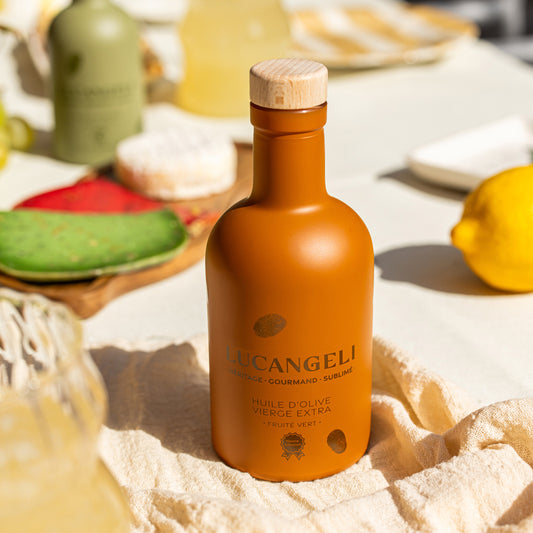
- The oil from the jar can be reused. Once the olives are gone, the olive oil left at the bottom of the jar is loaded with their aromas. It's ideal for sautéing garlic or vegetables at the start of a recipe.
If you're putting together an aperitivo board at the same time as a hot dish, black olives pair naturally with a black olive tapenade or a set of four tapenades to vary the textures and intensities.
For establishments that want to bring these products into the kitchen or onto the aperitivo menu, the professionals area gives access to suitable formats and ordering terms.
---
Frequently asked questions about black olives in cooking
Do black olives need rinsing before you cook with them?
It depends on how they're preserved. Brined olives benefit from a rinse in cold water to tone down their salt content. Olives preserved in extra virgin olive oil don't need rinsing: the oil is part of the preparation and can be reused directly in the recipe.
When should you add olives to a simmering tomato sauce?
If you want them to keep their texture and bite, add them five minutes before the end of cooking. If you'd rather they melt into the sauce and perfume it deeply, put them in right at the start with the tomato.
Can black olives be frozen?
Yes, pitted olives freeze without losing their flavour. Spread them flat on a tray, freeze them for an hour, then transfer them to an airtight bag. You can add them straight from frozen into a hot sauce without thawing them first.



 lucangeli.it