

Why the choice of natural extra virgin olive oil really matters
Do you want a natural extra virgin olive oil that enhances your dishes, fits your budget, and offers true authenticity? It's not just a matter of taste: between green fruity, ripe fruity, terroirs, labels, and capacities, there are real differences in quality and price. This guide helps you understand the essential criteria for making the right choice, whether you're looking for an exceptional oil to savor or a bottle for everyday cooking.
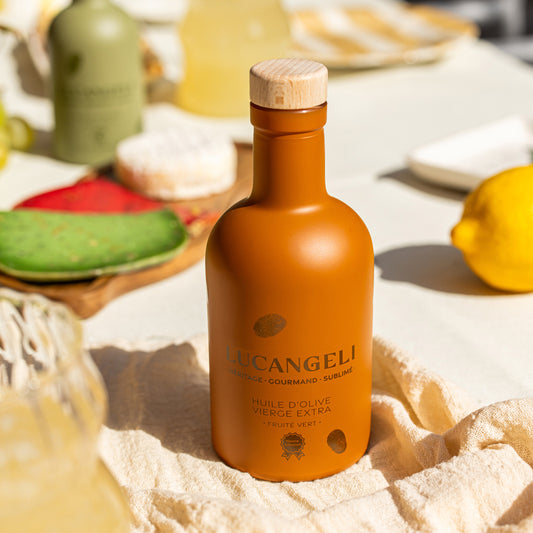
Discover the 200 ml organic green fruity olive oil to explore an herbaceous aromatic profile, or the organic ripe fruity version for a softer touch.
Essential criteria for choosing a natural extra virgin olive oil

1. The aromatic profile: green or ripe fruity?
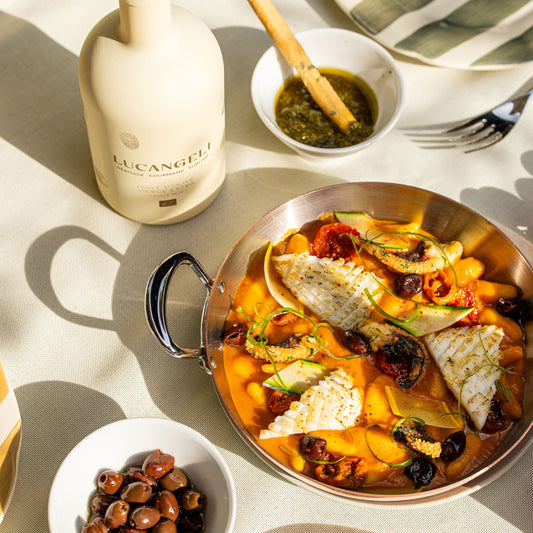
Each extra virgin olive oil has a unique profile. Green fruity reveals aromas of cut grass, artichoke, or tomato, perfect for salads or raw dishes. Ripe fruity, which is rounder, pairs wonderfully with roasted vegetables or fish.
Discover the 200 ml olive oil trio to test different profiles at home.
2. Terroir and variety: Italian identity in your bottle
Terroir influences flavors: an oil from Calabria, often based on Carolea or Roggianella, offers a beautiful balance between sweetness and vivacity. Oils from Sicily, made from Biancolilla or Nocellara del Belice, present more floral or vegetal notes. Learn about the origin; it's the primary guarantee of character.
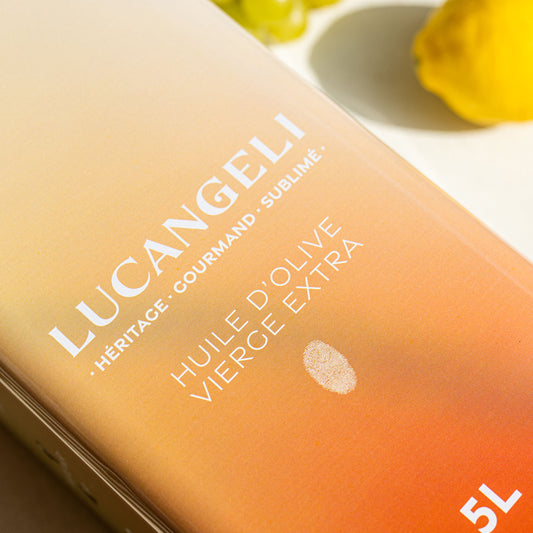
For a bulk purchase, consider the 5L organic olive oil canister, ideal for large families or intensive cooking.
3. Labels and mentions: PDO, PGI, organic…
A PDO (Protected Designation of Origin) or PGI (Protected Geographical Indication) label certifies the origin and compliance with strict specifications. The organic label guarantees cultivation without synthetic chemicals. Also check the harvest date, which is essential for freshness.
For a unique experience, discover the jeroboam of organic extra virgin olive oil, a rare format that makes a statement on the table.
Comparative table: natural extra virgin olive oils 2026

Each reference has its strengths. The 200 ml format is perfect for testing, the jeroboam for marking an event, the 5 L canister for everyday cooking. Also consider creating a gift set if you want to offer a discovery to a loved one.
Practical tips for buying and storing your olive oil
1. Where to buy?
Favor delicatessens or specialized websites that guarantee traceability. Avoid oils without a clear origin. For professionals, the dedicated space provides access to adapted formats and personalized advice.
2. Storage: best practices
- Store your bottle away from light and heat.
- Always close after use to prevent oxidation.
- Choose small formats if you consume little, to maintain full freshness.
Frequently asked questions about natural extra virgin olive oil
What is the best natural extra virgin olive oil in 2026?
It depends on your taste: green or ripe fruity, terroir, format. The comparison above guides you according to your uses and budget.
How to recognize a real natural extra virgin olive oil?
Check for "extra virgin" mention, origin, harvest date, and ideally a PDO, PGI, or organic label. Ask for the olive variety used.
How much does a good natural extra virgin olive oil cost?
Prices vary depending on origin, format, and label. Expect to pay 12 to 30 euros per liter for quality organic Italian oil, more for rare or vintage formats.
To go further, discover personalized oils and create your oil cellar in your own image.




 lucangeli.it