


With the arrival of February, many people want to move towards a healthier and more environmentally friendly diet by adopting plant-based cooking. However, it can be difficult to know where to start and how to go about making this transition successfully. Which vegetables should you prioritize this season? How should you cook them to get the most out of them? What condiments should you use to enhance the flavors? This complete guide will support you in your journey towards seasonal plant-based cooking, rich in flavors and benefits.
February vegetables: your allies for successful plant-based cooking
In February, many seasonal vegetables are available at market stalls. Among them are leeks, cabbages, carrots, celeriac, endives, and lamb's lettuce. These vegetables are rich in essential nutrients and provide a variety of textures and flavors to our dishes. To enhance them, an organic green fruity olive oil perfectly reveals their natural aromas.
Root vegetables: the base of your comforting dishes
In winter, there's nothing like comforting dishes to warm up. Root vegetables such as potatoes, carrots, parsnips, and Jerusalem artichokes are perfect for this. Rich in fiber, they also add a touch of sweetness to our meals. For cooking them, olive oil becomes your best ally: it allows for gentle cooking that preserves the flavors while bringing its characteristic fruity notes.
Green vegetables: freshness and winter vitality
To bring freshness and vitality to your dishes in winter, focus on green vegetables such as leeks, cabbages, spinach, and lamb's lettuce. These vegetables are a precious source of essential nutrients to strengthen our bodies during this time of year. To enhance their flavors, a DOP basil pesto brings an authentic Mediterranean touch that transforms the simplest green vegetable into a gourmet delight.

Enhance your vegetables with the right condiments
Condiments are essential in plant-based cooking to bring flavor and variety to our dishes. They allow us to transform simple vegetables into refined culinary creations. A quality Modena PGI balsamic vinegar, for example, can transform a simple endive salad into a memorable taste experience.
Olive oil: the essential for plant-based cooking
Olive oil is an essential ingredient in plant-based cooking. It brings a unique flavor to our dishes and helps reveal the authentic taste of vegetables. For an optimal taste experience, opt for an organic ripe fruity olive oil, perfect for seasoning your salads and bringing a sweet and harmonious finish to your cooked preparations.

Tapenades: concentrated flavors for your dishes
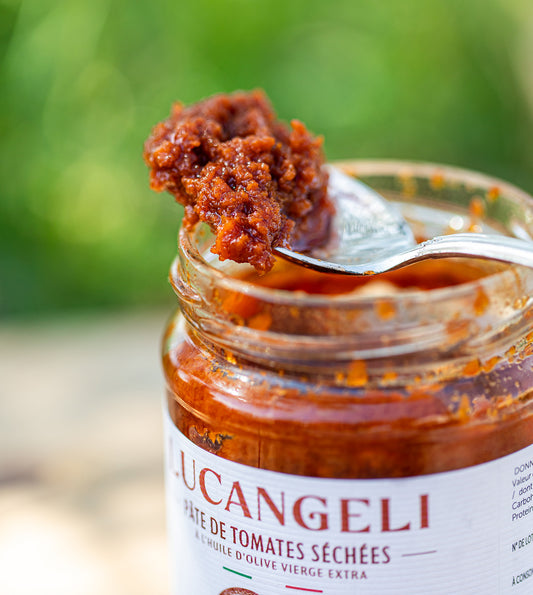
Tapenades are essential condiments in plant-based cooking. They provide a remarkable taste intensity and are easy to use. A black olive tapenade instantly enriches your grilled vegetables, while a sun-dried tomato tapenade brings a sunny note to your winter dishes. These artisanal preparations transform each bite into a culinary journey to Southern Italy.
Practical tips for a successful transition
To successfully transition to plant-based cooking in February, it's important to plan your meals and organize in advance. This methodical approach will allow you to gradually discover new flavors while maintaining a balanced and satisfying diet.
Creating balanced plates
For a balanced diet, it is important to vary vegetables and protein sources. Incorporate legumes such as lentils, chickpeas, or beans into your dishes to provide plant-based protein to your diet. Also consider whole grains such as quinoa, brown rice, or buckwheat for fiber and sustained energy.
Cooking techniques to reveal flavors
To reveal the flavors of your vegetables, choose the right cooking techniques. Steaming, braising, or baking are ideal methods to preserve the nutrients and flavors of vegetables. Olive oil and balsamic vinegar then become your best allies to bring that final touch that makes all the difference between an ordinary dish and a memorable culinary creation.
By adopting these tips and choosing quality products, your transition to plant-based cooking in February will not only be successful but also a source of enriching taste discoveries. This seasonal approach will allow you to rediscover the true taste of vegetables while preserving your health and the environment.






 lucangeli.it