


The Fête de la Musique is approaching, and with it, the first summer evenings on the terrace. It's the ideal time to put together an Italian aperitif board: generous, colorful, easy to prepare, and perfect for sharing. But how do you build it well? What products should you choose, how should you arrange them, and what pairings should you prioritize to capture the authentic flavors of Italy?
Italian Aperitif Board: How to Make It a Success This Summer
The Fête de la Musique is approaching, and with it, the first summer evenings on the terrace. It's the ideal time to put together an Italian aperitif board: generous, colorful, easy to prepare, and perfect for sharing. But how do you build it well? What products should you choose, how should you arrange them, and what pairings should you prioritize to capture the authentic flavors of Italy?
What is an Italian Aperitif Board?

The Italian aperitif board, or tagliere in Italian, is a convivial tradition that brings together a selection of varied antipasti on a single wooden surface. Unlike a simple charcuterie platter, it stands out for the diversity of its components: spreads, olives, cheeses, marinated vegetables, grilled bread, and condiments. The goal is to offer a balance between salty, tangy, sweet, and intense flavors, while also playing on textures and colors.
Antipasti: The Heart of the Board
Antipasti are the central elements of a successful Italian aperitif board. They come in two main categories: spreads and snackable items. Among the essentials are tapenades, pestos, marinated olives, and vegetables in oil. To save time without sacrificing quality, a selection of artisanal spreads like the set of 4 tapenades allows you to cover all flavors in a single choice.
Italian Cured Meats and Cheeses
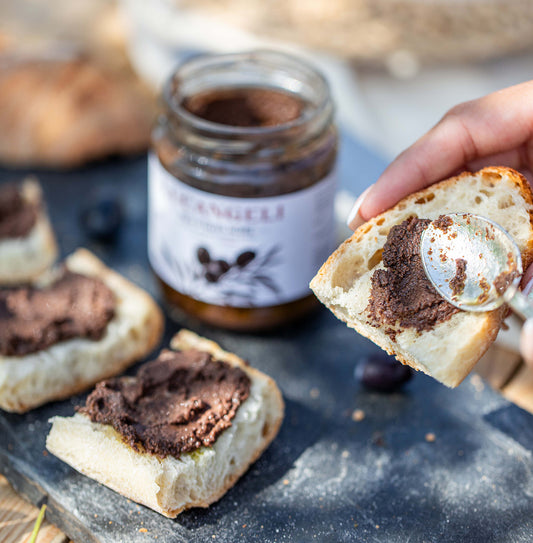
To complement the antipasti, Italian cured meats add substance to the board. Coppa, bresaola, Parma ham, or mortadella are reliable choices. As for cheeses, burrata, pecorino, and Parmesan (Parmigiano Reggiano) integrate perfectly. The black olive tapenade with extra virgin olive oil pairs ideally with a slice of grilled bread and a few shavings of Parmesan.
Breads and Carriers
The choice of bread is essential. Grissini, bruschetta, grilled ciabatta, or herb crackers are ideal carriers for spreads. For a fresher touch, slices of raw vegetables (cucumber, radish, fennel) can replace bread and add crunch. The DOP pesto with olive oil spreads just as well on bruschetta as on grilled vegetables.
How to Choose the Right Products for an Italian Board?
The quality of the products makes all the difference. A successful Italian aperitif board relies on authentic ingredients, from artisanal or labeled productions. Here are the criteria to consider.
Prioritize Products with Quality Labels
In Italy, the DOP (Denominazione di Origine Protetta) and IGP (Indicazione Geografica Protetta) labels guarantee the origin and manufacturing method of products. A DOP pesto, an IGP balsamic vinegar, or a certified organic olive oil are guarantees of quality. The IGP balsamic vinegar gold collection from Modena, for example, brings a sweet and slightly sugary note that enhances fresh cheeses and grilled vegetables.
Focus on Artisanal Olives and Spreads

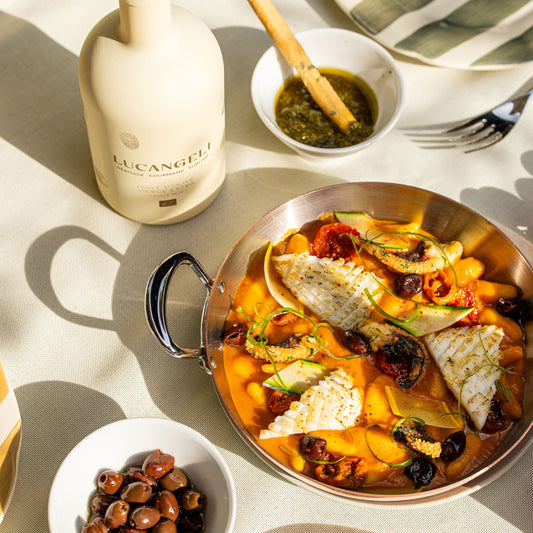
Olives are a key element of any Italian board. Choose olives marinated in extra virgin olive oil rather than industrial brine olives. The pitted black olives in olive oil offer a melt-in-your-mouth texture and a milder taste than green olives. To vary the flavors, the dried tomato tapenade brings a concentrated and sunny note, perfect on grilled toast.
Olive Oil: A Condiment in Its Own Right
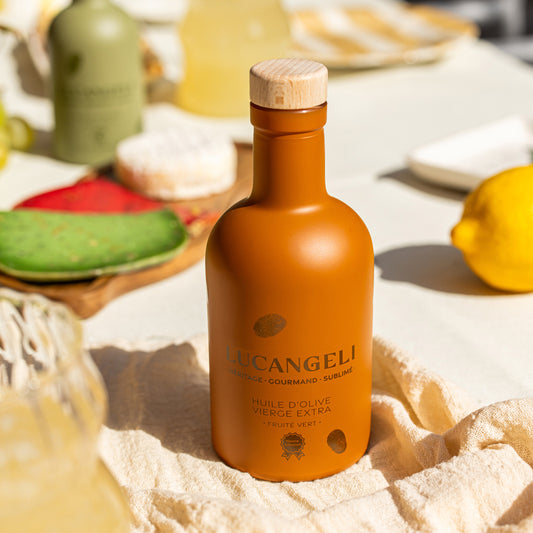
On an Italian aperitif board, olive oil is not just for cooking: it's also a condiment in its own right. A drizzle of organic green fruity olive oil on burrata or grilled vegetables immediately enhances the flavors. For those who prefer softer, rounder notes, organic ripe fruity olive oil pairs perfectly with cheeses and cured meats.
How to Arrange and Present an Italian Aperitif Board?
Presentation is as important as content. A beautiful aperitif board makes you want to dig in even before the first bite.
Choose the Right Support
A rustic wooden board, a slate, or a ceramic platter are the most suitable supports. The size should be proportional to the number of guests: allow about 150 to 200g of products per person for an aperitif, more for an aperitif dinner.
Organize Elements by Zones
For a harmonious presentation, arrange the elements by zones: spreads in small ramekins in the center, cured meats and cheeses fanned out on the sides, and olives, vegetables, and breads filling in the gaps. Alternate colors and textures for an appetizing visual result. The set of 4 tapenades is ideally presented in its small jars directly on the board, for a neat and practical effect.
Add a Sweet Touch to Finish
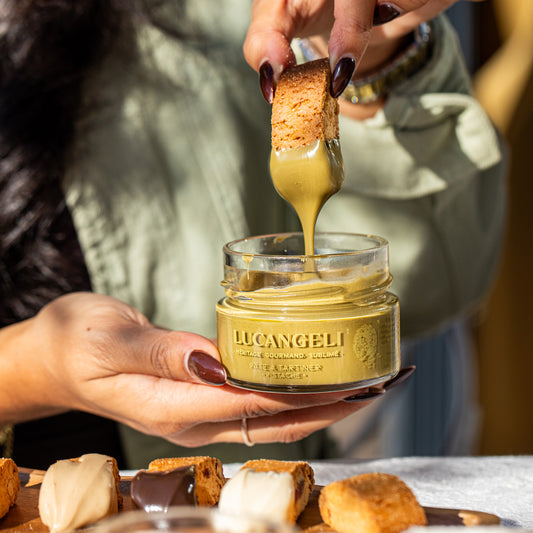
To conclude the aperitif on a gourmet note, a sweet touch is always welcome. The pistachio spread, made without palm oil from selected pistachios, fits perfectly on a board with some dry biscuits or slices of brioche bread. It pleasantly surprises guests and adds an unexpected gourmet dimension to the aperitif.
To offer an Italian aperitif board as a gift or to create a custom assortment, the customizable gift box allows you to select products according to everyone's tastes — an original idea for Father's Day or any other summer occasion.
Meta-title: Italian Aperitif Board: Make Your Platter a Success This Summer Meta-description: Discover how to create a successful Italian aperitif board: antipasti, tapenades, pesto, olives, and olive oil. Tips and ideas for summer. Suggested URL: /italian-aperitif-board Tags: aperitif board, antipasti, summer aperitif, Italian gastronomy, Fête de la Musique



 lucangeli.it