


With the arrival of summer, Mediterranean cuisine naturally takes center stage: sun-drenched vegetables, aromatic herbs, quality olive oil, and flavorful condiments. Rooted in millennia-old traditions, this southern gastronomy, particularly from Italy, relies on simple ingredients, carefully prepared. Here are the fundamentals to know for cooking Mediterranean all summer long.
Key ingredients of summer Mediterranean cuisine
Olive oil, the pillar of Southern cuisine
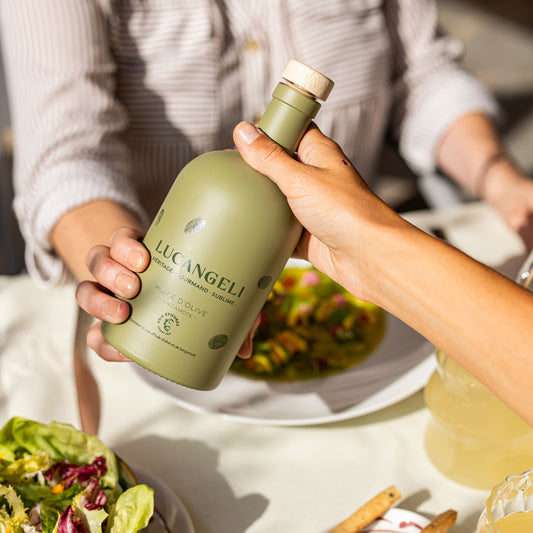
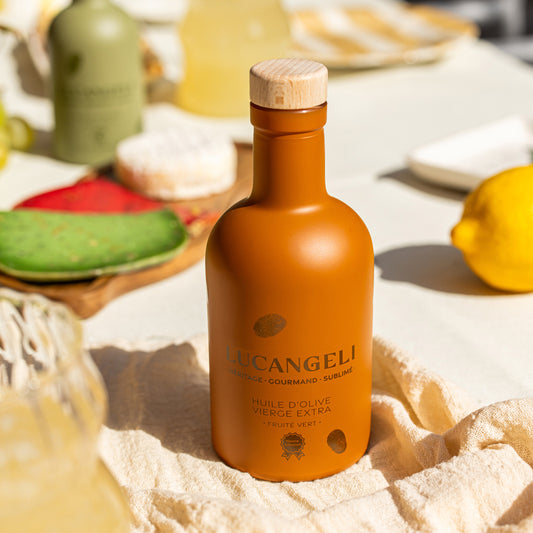
Olive oil is the central ingredient in all Mediterranean cuisine. It serves as cooking fat, condiment, and finishing touch. Its quality largely determines the final result of a dish. There are two main aromatic profiles: green fruity, with notes of fresh grass, artichoke, and pepper, ideal for salads, raw vegetables, and fish; and ripe fruity, softer, with notes of tomato and almond, perfect for grilled meats, pasta, and stews.

For summer salads and crudités, an organic green fruity olive oil brings a characteristic vegetable freshness. For hot dishes or bruschetta, an organic ripe fruity olive oil gently envelops the flavors. For an original and floral touch, bergamot olive oil, a rare citrus fruit almost exclusively grown in Calabria, enhances fish, desserts, and fresh cheeses.
Sun-drenched vegetables and condiments
Summer Mediterranean cuisine is inseparable from its vegetables: tomatoes, eggplants, zucchinis, bell peppers, artichokes. These vegetables can be grilled, marinated, sauced, or simply seasoned with olive oil and herbs. Sun-dried tomatoes, concentrated in flavor, are an essential condiment: they enhance pasta, toast, salads, and meats. Sun-dried tomato tapenade is a practical way to always have it on hand, ready to use.

Olives also play a central role. Black or green, they are enjoyed as an aperitif, incorporated into salads, or transformed into tapenade. Pitted black olives in extra virgin olive oil are ideal for composing a Mediterranean board or garnishing a Salade Niçoise. The black olive tapenade, creamy and intense, spreads on toasted bread or accompanies raw vegetables.
Aromatic herbs and nuts
Basil, oregano, thyme, rosemary, and sage are the emblematic herbs of the Mediterranean basin. They flavor sauces, marinades, and grilled dishes. Basil, in particular, is the base of Genoese pesto, one of the most famous sauces in Italian gastronomy. A DOP basil pesto with olive oil, prepared with Genoese DOP basil, is a versatile condiment: it accompanies pasta, grilled vegetables, bruschetta, and even white meats.
Nuts – almonds, hazelnuts, pistachios, pine nuts – are also very present in Mediterranean cuisine. They add crunch to salads, enrich sauces, and are used in many desserts. In Calabria, almonds and hazelnuts have been cultivated for centuries and constitute a precious culinary heritage.
Essential Mediterranean recipes for summer
Antipasti and spreads
Antipasto is the opening ritual of an Italian meal. It consists of cold cuts, cheeses, marinated vegetables, olives, and spreads. For a successful antipasto, the quality of the products is paramount. A set of 4 tapenades — sun-dried tomatoes, black olives, pesto, and other spreads — allows for quickly setting up a generous and flavorful platter, without complex preparation.
Bruschetta are also essential: toasted bread slices rubbed with garlic, drizzled with olive oil, and topped with fresh tomatoes, tapenade, or pesto. Simple to prepare, they embody the very essence of Mediterranean cuisine: few ingredients, a lot of flavor.
Salads and cold dishes
Summer is the season for mixed salads. Caprese salad — tomatoes, mozzarella, basil, olive oil — is a timeless classic. Salade Niçoise, with its olives, anchovies, green beans, and hard-boiled eggs, is a complete meal on its own. To dress them, a quality olive oil makes all the difference. The olive oil trio — green fruity, ripe fruity, and bergamot — allows for exploring different aromatic profiles depending on the dishes.
Cold dishes based on grilled marinated vegetables are also very popular in summer: eggplants with olive oil and basil, zucchinis with lemon and mint, roasted bell peppers with garlic. These preparations can be stored in the refrigerator and served as a starter or side dish.
Sauces and condiments
Balsamic vinegar is an essential condiment in Italian cuisine. It brings a touch of sweet acidity that balances dishes. Drizzled over a rocket and Parmesan salad, on strawberries, on a risotto, or on grilled meats, it transforms a simple dish into a refined preparation. Modena's IGP Gold balsamic vinegar, with its notes of fig and wood, is an excellent choice for lovers of Italian gastronomy.
How to enhance your Mediterranean cuisine with artisanal Italian products
Choosing quality olive oil
Not all olive oils are created equal. To cook Mediterranean authentically, it is essential to choose extra virgin olive oil, preferably from organic farming and artisanal production. Calabrian olive oils, produced from hand-picked and cold-pressed olives, offer complex aromatic profiles and remarkable freshness. Geographic origin, olive variety, and harvest date are quality indicators to check on the label.
Artisanal spreads and tapenades
Artisanal spreads – tapenades, pestos, vegetable caviar – are valuable allies for cooking Mediterranean without spending hours in the kitchen. They store easily and can be used in multiple ways: on toast, in sauces, to stuff vegetables, or to accompany meats. Sun-dried tomato tapenade and black olive tapenade are two essentials to have in your summer pantry.
Balsamic vinegar and citrus, finishing touches
Mediterranean cuisine loves contrasts: sweet and sour, rich and fresh. Balsamic vinegar and citrus play this balancing role. Lemon, lime, and bergamot bring vibrancy to dishes. Calabrian organic bergamot juice, with its unique aromatic profile — floral, tangy, slightly bitter — is an original alternative to classic lemon for seasoning fish, salads, and desserts. A drizzle of IGP Gold balsamic vinegar on burrata or fresh figs elegantly concludes a summer meal.
Summer Mediterranean cuisine is above all a cuisine of sharing, generosity, and well-chosen products. Whether it's a family lunch, an aperitif with friends, or a dinner on the terrace, good ingredients make all the difference. Quality olive oil, artisanal spreads, fresh herbs, and carefully selected condiments: these are the keys to a successful Mediterranean table.




 lucangeli.it