


Imagine a gentle spring light on your terrace, surrounded by loved ones, the scent of Italian herbs in the air. The Italian aperitivo is much more than just a moment before the meal: it's a ritual of sharing, an invitation to slow down and savor the treasures of the Mediterranean land together. Whether you are a novice or an enlightened enthusiast, this guide will accompany you step by step to create an Italian aperitivo that will transport your guests.
The fundamentals of an Italian aperitivo

The art of antipasti: much more than an appetizer
In Italy, the aperitif — or aperitivo — is a true art of living. Long before the main courses arrive at the table, antipasti set the mood: they tell the story of the land, the season, and the care taken with the ingredients. The word itself is eloquent: anti (before) and pasto (meal). This precious moment is when glasses are set down, conversations liven up, and gourmet delights gently begin.
Contrary to what one might think, a good Italian aperitivo does not require hours of preparation. It is primarily based on the quality of the chosen products. A black olive tapenade generously spread on a slice of grilled bread, a few olives arranged in a terracotta bowl, a drizzle of olive oil on raw vegetables: this is the very essence of antipasto.
What ingredients to choose for a successful aperitivo?
The golden rule of the Italian aperitivo: prioritize authentic ingredients from artisanal production. Italian cuisine, and particularly that of southern Italy, is based on this fundamental principle — quality always takes precedence over quantity.
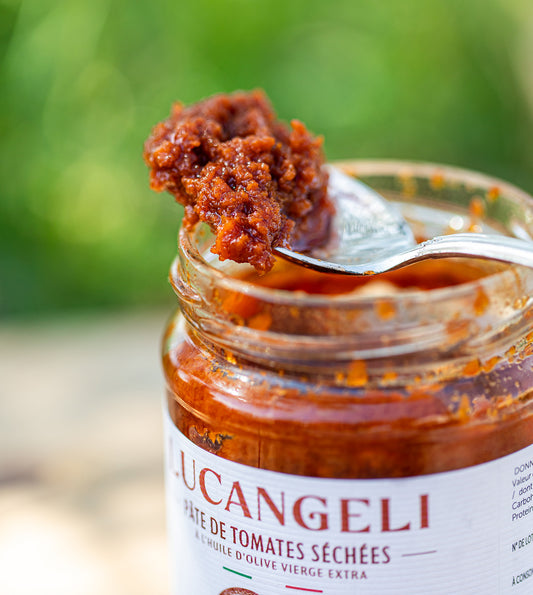
For a successful antipasti platter, remember to vary textures and flavors: creamy, crunchy, tangy, sweet. A sun-dried tomato spread will bring an intense and sunny note, while a DOP basil pesto will offer an herbaceous freshness that awakens the taste buds. These spreads pair perfectly with crostini, grissini, or simple slices of lightly toasted country bread.
Composing a perfect antipasti platter
Spreads and tapenades, pillars of the aperitivo
The antipasti platter is an invitation to discovery. To compose it harmoniously, start with the spreads: they form the basic flavors of your aperitivo. Tapenades, pestos, and vegetable creams are the pillars of this Italian tradition.
A well-chosen aperitivo spread kit allows you to offer a variety of flavors effortlessly: black olive tapenade, sun-dried tomatoes, pesto... Each spread tells the story of a region, a savoir-faire, a harvest. Arrange them in small bowls, accompanied by toasted bread and a few fresh herbs for decoration.
Don't hesitate to play with contrasts: an intense tapenade next to a delicate pesto, a sun-dried tomato cream alongside a milder preparation. It is this diversity that makes the platter lively and generous.
Olives, vegetables and condiments: the Mediterranean touch
Olives are an inseparable part of the Mediterranean aperitif. They bring that salty and fruity note that characterizes the tables of southern Italy. Opt for pitted black olives in olive oil: their melting texture and pronounced taste make them a must-have on any antipasti platter.
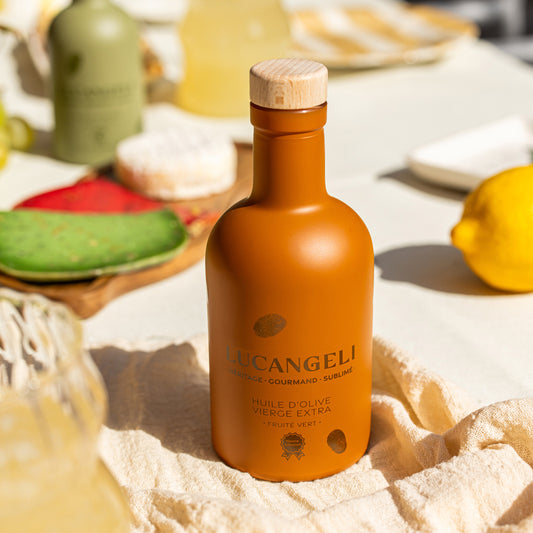
To complete your platter, add seasonal vegetables: crunchy radishes, fennel sticks, cherry tomatoes, or marinated artichokes. These fresh elements bring lightness and color. A drizzle of organic green fruity olive oil on the vegetables is enough to enhance them — its herbaceous and slightly peppery character is reminiscent of the Calabrian hills in spring.
The secrets of a memorable convivial aperitivo
Presentation and ambiance
A successful Italian aperitivo is also about staging. The presentation of the platter plays an essential role in the tasting experience. Use wooden boards, small ceramic bowls, colorful verrines. Arrange the elements generously, without too much order — the apparent abundance is an invitation to serve oneself without restraint.
The atmosphere matters as much as the food. Soft music in the background, a few candles if evening falls, a linen tablecloth... These details transform a simple aperitivo into a suspended moment. To offer this experience to your loved ones or colleagues, a customizable gift box with a selection of artisanal Italian products is an original and generous idea.
Olive oil and balsamic vinegar as a finishing touch

Two ingredients make all the difference in an Italian aperitivo: olive oil and balsamic vinegar. Used as a finishing touch, they elevate each bite to a higher level.
A drizzle of organic green fruity olive oil on a bruschetta, on grilled vegetables, or directly in a bowl for dipping bread: this simple gesture is at the heart of Italian cuisine. As for IGP balsamic vinegar, a few drops are enough to bring a sweet and sour touch that awakens flavors and creates a remarkable balance on the platter.
These two condiments are ambassadors of ancient know-how. They bear witness to the care taken at every stage of production, from the orchard to the bottle. Choosing them carefully means already honoring Italian tradition.
The Italian aperitivo is as much a philosophy as it is a culinary practice. It celebrates slowness, sharing, and the quality of ingredients. Whether for a spring evening with friends, a family meal, or an impromptu convivial moment, antipasti are always up to the task. All that's needed is to choose your products well, arrange them generously, and let the magic of the Italian terroir work its charm.




 lucangeli.it