


Summer is the ideal season to gather around a friendly aperitif. A board of Italian antipasti is an obvious choice: colorful, generous, and easy to share. But how do you create one that's truly successful? Here are the basic rules and the products to favor for an authentic Italian aperitif.
What are antipasti? Italian origins and traditions

The word "antipasti" comes from the Italian anti (before) and pasto (meal). It refers to an assortment of small savory bites—cold or hot—served before the meal to whet the appetite. This culinary tradition is deeply rooted in Italian culture, especially in the south of the country, where the table is a place of sharing and generosity.
A tradition from Southern Italy
In the Mezzogiorno regions—Calabria, Sicily, Campania, Puglia—antipasti are not just a simple appetizer. They are a true ritual: people take the time to settle in, chat, and taste. Local products play a central role: marinated olives, candied vegetables, aged cheeses, local cold cuts, and spreads made from sun-dried tomatoes or peppers. It is this philosophy of "eating well together" that gives antipasti their unique character.
Antipasti vs. aperitif: what's the difference?
In France, "apéritif" often refers to the convivial moment before a meal. Antipasti are the Italian version, but with a more pronounced culinary dimension. While a French aperitif sometimes makes do with chips and peanuts, Italian antipasti focus on quality products, bold flavors, and careful presentation. They can be served as an appetizer or as a main course for a light summer meal.
How to create a successful antipasti board?
A good antipasti board is based on three principles: variety of textures, diversity of flavors, and quality of products. It's not about piling on as many items as possible, but about choosing products that complement and enhance each other.
The essentials: olives, tapenades, and spreads
Olives are the foundation of any self-respecting antipasto. Choose quality olives, preserved in extra virgin olive oil rather than brine. Pitted black olives in olive oil are particularly appreciated for their sweetness and tenderness.
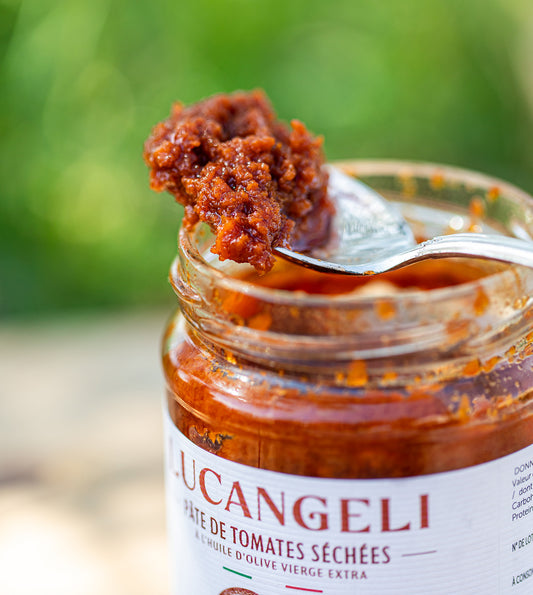
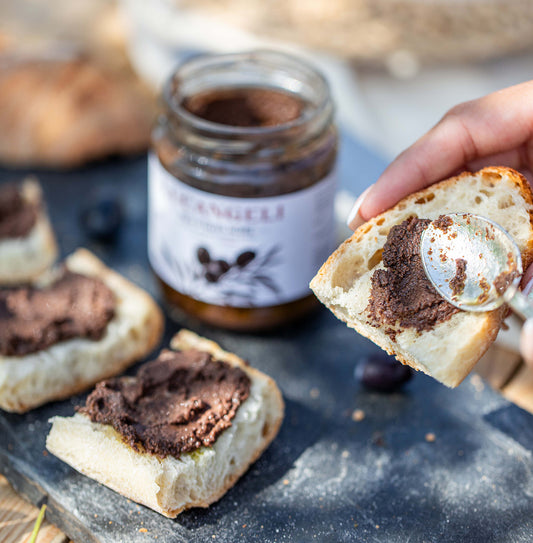
Tapenades and spreads add richness to the board. A black olive tapenade to spread on crostini, a sun-dried tomato tapenade for a sweet and savory touch, or a DOP basil pesto to evoke the flavors of Liguria: each spread plays a precise role in the balance of the board. To save time and vary the pleasures, the set of 4 tapenades is a practical solution for a complete aperitif.
Vegetables and cheeses
Seasonal vegetables are essential to bring freshness and color to the board. In summer, focus on cherry tomatoes, grilled zucchini, marinated eggplants, and candied peppers. These vegetables can be prepared the day before to save time on the day.
For cheeses, opt for Italian products: mozzarella di bufala, creamy burrata, aged pecorino, or gorgonzola. Take them out of the refrigerator 20 minutes before serving so they can fully express their aromas. A drizzle of olive oil on the burrata, a few fresh basil leaves, and you're done.
Bread, focaccia, and crostini
Bread is the structuring element of the antipasti board. It allows you to carry spreads, accompany cheeses, and add volume to the presentation. Focaccia, soft and fragrant with olive oil, is a classic of southern Italy. Crostini—small grilled toasts—are ideal for tapenades and spreads. You can also offer grissini (breadsticks) for a crunchy touch.
Which products to choose to enhance your antipasti?

The quality of the products makes all the difference in an antipasti board. Three ingredients deserve special attention: olive oil, balsamic vinegar, and condiments.
Olive oil, the central ingredient
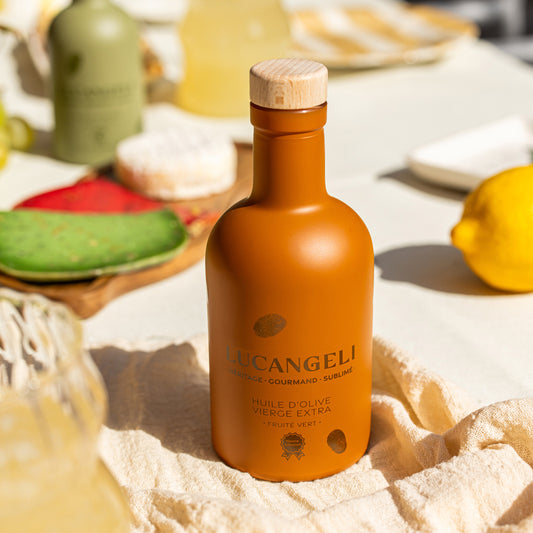
Olive oil is the soul of Italian cuisine. It is used to preserve, season, and finish dishes. For an antipasti board, choose a quality extra virgin olive oil with an aromatic profile suited to your preparations. An organic fruity green olive oil will bring herbaceous and slightly peppery notes, ideal for seasoning grilled vegetables or fresh cheeses. For those who appreciate character, an organic garlic & chili olive oil will elevate bruschetta and crostini with elegance. The organic basil olive oil is perfect for drizzling over burrata or flavoring homemade focaccia.
Balsamic vinegar for finishing touches
A few drops of balsamic vinegar are enough to transform an ordinary antipasti board into a memorable culinary experience. Modena PGI balsamic vinegar brings a touch of mild acidity and roundness that balances the salty and fatty flavors of cheeses and cold cuts. The Gold collection PGI balsamic vinegar is particularly suitable for finishing touches: on burrata, on fresh strawberries as an accompaniment, or drizzled over grilled vegetables.
Quality spreads and condiments
Beyond olives and tapenades, other condiments can enrich the board: salted capers, anchovies in oil, candied peppers, marinated artichokes. The important thing is to choose products with simple and clear ingredients: olive oil, salt, vegetables, or fruits. Avoid industrial preparations laden with preservatives or artificial flavors.
To offer an antipasti board as a gift or for an event, the customizable gift box allows you to select products according to your tastes and those of your guests: flavored oils, tapenades, balsamic vinegar, pesto—a tailor-made assortment for a successful Italian aperitif.




 lucangeli.it