

The arrival of spring invites us to revisit our culinary classics and explore new flavors. Among the essentials of Italian gastronomy, Gold collection PGI balsamic vinegar holds a special place. A noble condiment, resulting from long artisanal expertise, it is nonetheless often misused or poorly chosen. How can one navigate between different qualities, PGI and PDO labels, and culinary uses? This guide provides all the keys.
What is Modena balsamic vinegar?
Modena balsamic vinegar is one of the most emblematic condiments in Italian gastronomy. It is made from cooked grape must—called mosto cotto—from local grape varieties, to which wine vinegar is added. The mixture is then aged in wooden barrels of different types (oak, cherry, chestnut, ash), which gives it its dark brown color, syrupy texture, and complex aromatic profile, blending acidity and natural sweetness. Contrary to popular belief, not all balsamic vinegars sold in supermarkets are created equal: quality varies considerably depending on the ingredients, manufacturing method, and aging time. To discover a balsamic with character, the Silver collection PGI balsamic vinegar is an excellent starting point.
Modena PGI: a label that guarantees authenticity
Protected Geographical Indication (PGI) is the first criterion to check on a balsamic vinegar label. This European label guarantees that the product was manufactured in the Modena region, in Emilia-Romagna, according to specific specifications. There is also an even more demanding appellation: PDO (Protected Designation of Origin), which corresponds to Aceto Balsamico Tradizionale di Modena DOP. The latter is aged for at least 12 years, contains only one ingredient (cooked grape must), and is packaged in a specific bottle. It is a collector's item, reserved for pure tasting. For quality daily use, PGI balsamic vinegar remains the accessible and versatile benchmark. Some producers also offer original versions such as PGI red onion balsamic vinegar, which adds an extra aromatic touch much appreciated in cooking.
The difference between young balsamic and aged balsamic
The age of a balsamic vinegar directly influences its texture, taste, and uses. A young balsamic (2 to 5 years old) is more fluid, more acidic, and livelier on the palate: it is ideal for vinaigrettes, marinades, and deglazing. An aged balsamic (8 years and older) gradually becomes denser, sweeter, and more aromatically complex: it is perfect for drizzling over aged cheese, red meat, or dessert. The longer the aging, the more the vinegar concentrates and develops notes of candied fruit, wood, and natural caramel. To explore this range, Modena PGI white vinegar offers a lighter and more crystalline alternative, ideal for delicate spring dishes.
How to choose your balsamic vinegar?

Faced with the multitude of available products, choosing a good balsamic vinegar can seem complex. However, a few simple rules allow you to quickly find your way and avoid poor quality industrial products.
Quality criteria to look for on the label
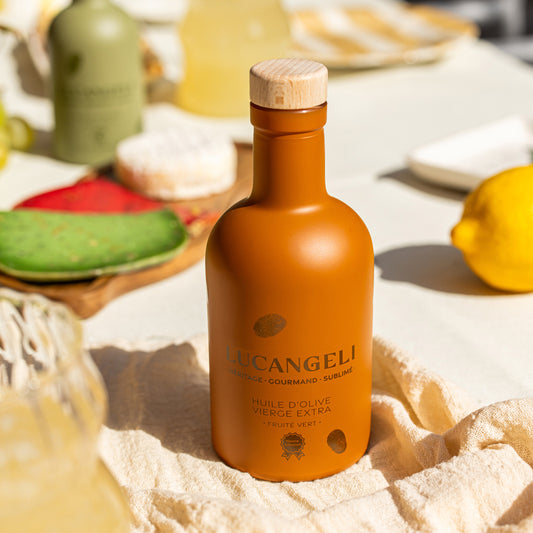
The list of ingredients is the first indicator of quality. A good Modena PGI balsamic vinegar should contain only two ingredients: cooked grape must and wine vinegar. The presence of caramel (colorant E150d), thickeners, or additives is a sign of a low-end industrial product. Also check for the PGI label, the origin (Modena, Italy), and, if possible, the aging period. The shorter the ingredient list, the more authentic the product. To accompany your balsamic, a quality organic green fruity olive oil perfectly complements traditional Italian vinaigrette.
Which balsamic vinegar for which use?
The choice of balsamic vinegar depends primarily on the use you intend for it. For vinaigrettes and salad dressings, choose a young, lively, and fluid balsamic. To deglaze meat or flavor a tomato sauce, a medium-aged balsamic (5 to 8 years) will add depth without overpowering other flavors. For cheeses, desserts, or a post-meal tasting, opt for an aged, dense, and naturally sweet balsamic. Finally, for fish dishes, raw vegetables, or delicate preparations, Modena PGI white vinegar will be more suitable due to its lightness and transparency. A round and enveloping organic ripe fruity olive oil pairs perfectly with an aged balsamic to enhance hot dishes.
Balsamic vinegar in spring cuisine
With the return of spring, markets fill with new vegetables, fresh herbs, and bright flavors. Modena balsamic vinegar naturally integrates into this seasonal cuisine, bringing depth and balance to simple and colorful preparations.
With spring vegetables
Asparagus, peas, radishes, new carrots, and zucchini lend themselves wonderfully to a drizzle of balsamic vinegar. A few drops on roasted asparagus, or mixed with a sun-dried tomato tapenade to garnish spring toasts: balsamic enhances flavors without overpowering them. It can also be used to deglaze sautéed mushrooms or caramelized onions, creating a flavorful and fragrant jus. For a seasonal Italian appetizer board, pair it with a black olive tapenade and a basil PDO pesto for a complete Mediterranean pairing.
In vinaigrette with good olive oil
Italian vinaigrette is disarmingly simple: good olive oil, balsamic vinegar, salt, and pepper. That's all. No need for mustard or thickeners. The quality of the ingredients makes all the difference. An organic green fruity olive oil with herbaceous and peppery notes pairs perfectly with a young and lively balsamic to season a rocket, tomato, and Parmesan salad. For milder salads based on mozzarella or burrata, opt for a rounder organic ripe fruity olive oil, combined with a slightly aged balsamic. The result is a balanced dressing, both lively and enveloping.
To enhance cheeses and desserts

This is one of the most overlooked uses of balsamic vinegar in France: a few drops of aged balsamic on a piece of Parmesan, Gorgonzola, or Pecorino completely transform the tasting experience. The acidity of the balsamic contrasts with the richness of the cheese and creates a remarkable balance. For desserts, a drizzle of Gold collection PGI balsamic vinegar on fresh strawberries, vanilla ice cream, or panna cotta is an Italian tradition worth adopting. In Italy, it is not uncommon to finish a meal with a small spoon of very aged balsamic, as one would enjoy a digestif. To offer a complete selection of these exceptional condiments, the customizable gift box allows you to assemble products according to your wishes and those of your loved ones.




 lucangeli.it