


What is a single-variety olive oil?
When you read "single-variety" on a bottle of olive oil, it means the oil is extracted from one single olive variety, harvested on one same terroir. Unlike a blend, where several varieties are mixed together to seek a balance, a single-variety oil brings out the pure, unique character of the chosen variety: aromas, strength, sweetness, bitterness, everything comes down to the fruit and to the soil it grew in.
This choice lets you discover the aromatic signature of one olive, such as the Calabrian Carolea, known for its balance between green freshness and a note of sweet almond, or the Tuscan Frantoio, more herbaceous and peppery. Each terroir, each olive grove shapes the same variety differently, which makes every single-variety oil a unique experience.
Discover the professional range to explore other profiles and terroirs.
Why choose a single-variety olive oil?

For authentic taste
Going for a single-variety oil means meeting the original taste of the olive. No compromise here: what you taste is what nature and the miller's craft deliver, untouched.
To bring out a dish
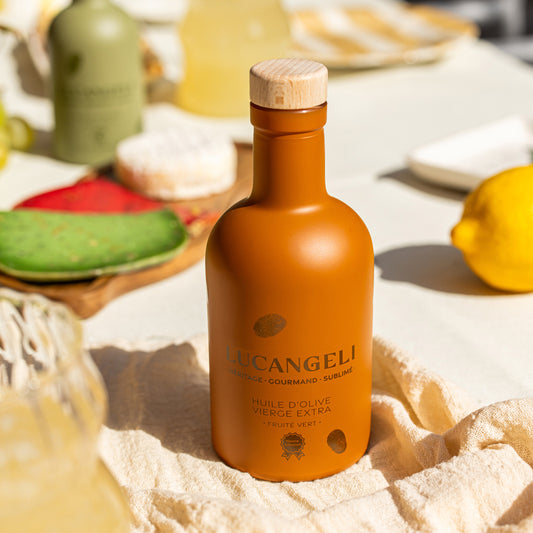
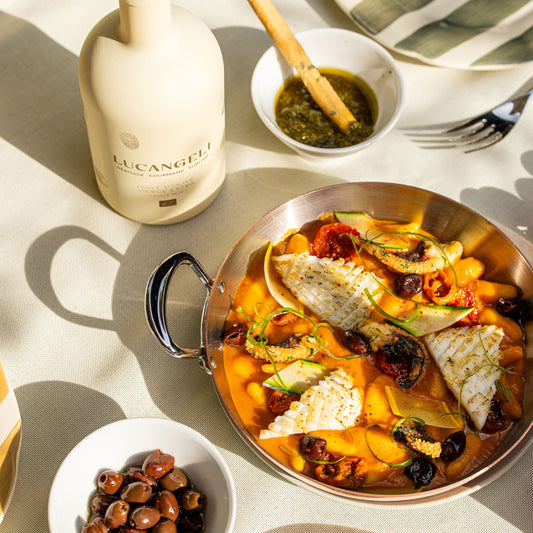
A single-variety olive oil is used as a condiment with character. An organic green fruity oil from Calabria, for instance, lifts a September tomato salad, while a milder single-variety oil suits white fish or grilled vegetables.
Discover the trio of 200 ml olive oils to try different profiles at home.
To explore the diversity
There are hundreds of olive varieties in Italy, each with its own personality. A single-variety oil lets you travel from one region to another without ever growing tired of it.
How do you recognise and choose a single-variety olive oil?
By the label and the traceability
The words "single-variety" or the name of the variety ("Carolea", "Taggiasca", "Nocellara del Belice", for example) must appear clearly on the label. Serious producers also state the terroir, sometimes even the plot, and guarantee the traceability of the batch.
By tasting it
A single-variety oil stands out through a clear aromatic profile: notes of grass, artichoke, almond or citrus, depending on the variety and the ripeness of the olives. To enjoy it fully, taste it plain first, on a piece of bread or a fresh tomato.
By the colour and the texture
The colour ranges from intense green to golden yellow, but don't rely on your eyes alone: it is the nose and the taste that really speak. Quality single-variety oils often have a supple texture and a fine length on the palate.
To go further, explore bottle personalisation and create your own blend, or pick your favourite variety for a one-of-a-kind gift.
Checklist for choosing well
- Check that the variety is stated on the label.
- Favour producers who indicate the terroir and the harvest.
- Taste the oil plain before cooking with it.
- Try several varieties to find the profile you prefer.
- Remember to ask your grocer or the miller for advice.
Frequently asked questions
What is a single-variety olive oil?
A single-variety olive oil is produced from one single olive variety, which brings out the pure taste and the identity of the fruit.
How do you recognise a true single-variety oil?
The variety is stated on the label, the origin is precise, and the taste is clean, with no mix of aromas.
Which single-variety oil should you choose for September cooking?

For late summer, a green fruity oil or a fresh, balanced Calabrian Carolea brings out seasonal vegetables such as tomato or courgette.



 lucangeli.it