


Caprese salad is one of the most famous Italian recipes in the world. Three ingredients, three colors, a perfect balance: tomato, mozzarella, and basil make up this iconic dish of Mediterranean cuisine. But behind this apparent simplicity lie precise rules and quality choices that make all the difference. In the middle of summer, when tomatoes are at their peak and family meals stretch out under the sun, caprese stands out as the ideal dish — provided it's prepared well.
The Origins of Caprese Salad
Born in Capri, a Symbol of Campania
Caprese salad takes its name from the island of Capri, off the coast of Naples, in Campania. Its exact origins are the subject of several accounts. The most widespread version places its creation in the 1950s, when a chef on the island allegedly created this dish using available regional products: Vesuvian tomatoes, fiordilatte mozzarella, and fresh basil. Another, more anecdotal version attributes its birth to a request from King Farouk of Egypt, in exile on the island, who supposedly asked for a fresh and light dish. Whatever the truth, caprese quickly became a symbol of summer Italian cuisine, appreciated for its colors — red, white, green — reminiscent of the national flag.
A Salad in the Colors of the Italian Flag
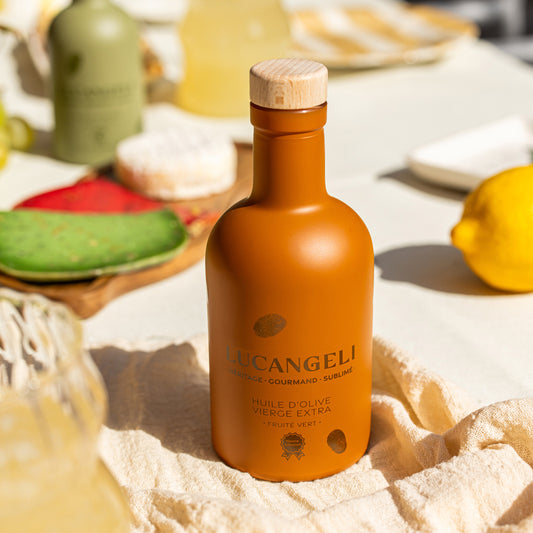
It's no coincidence that Caprese salad is often presented as a patriotic dish. Its three colors correspond exactly to those of the Italian flag. This symbolic dimension has contributed to its popularity far beyond the borders of Campania. Today, insalata caprese is served in restaurants worldwide, but its most authentic version remains one prepared with quality local products, seasoned with a green fruity organic olive oil with herbaceous and fresh notes, perfectly suited for this type of summer dish.
Caprese in the Tradition of Italian Summer Meals
In Italy, caprese is much more than an appetizer: it's a sharing dish, often served in the center of the table during large family meals. On August 15th, Ferragosto, Italian families gather around generous tables where caprese holds a prominent place alongside grilled meats and sun-drenched vegetables. To accompany this moment, a few pitted black olives in olive oil arranged on the table perfectly complete the spirit of the Mediterranean antipasto.
The Traditional Caprese Salad Recipe

Essential Ingredients
The original caprese salad recipe includes only four ingredients: ripe tomatoes, fresh mozzarella, basil, and extra virgin olive oil. That's it. No balsamic vinegar, no arugula, no pesto in the strictly traditional version. The magic works thanks to the quality of each component and their balance. For tomatoes, plump and juicy varieties, harvested when ripe, are preferred. For mozzarella, mozzarella di bufala (buffalo milk) is the most flavorful, but fiordilatte (cow's milk) remains the classic choice in Campania. The olive oil must be extra virgin and of high quality: a mellow fruity organic olive oil with soft and round notes perfectly complements the milky sweetness of the mozzarella.
Step-by-Step Preparation
Preparing a successful caprese is a matter of simple but precise actions. Start by thoroughly draining the mozzarella — overly wet mozzarella will make the dish soggy. Slice the tomatoes and mozzarella into regular slices about one centimeter thick. Arrange them alternately on a serving dish, in a rosette or in rows, interspersing fresh basil leaves. Season with fine salt, then drizzle with a generous stream of extra virgin olive oil. Serve at room temperature — never cold, as cold dulls the aromas. For those who wish to add a touch of originality, a few drops of Gold PGI balsamic vinegar from Modena as a finish create a very elegant sweet and sour contrast.
Mistakes to Avoid
Several common mistakes detract from the quality of a caprese. The first is taking ingredients out of the refrigerator at the last minute: mozzarella and tomatoes should be at room temperature to fully express their aromas. The second is using poor quality olive oil: it is what binds the entire dish and gives it its depth. The third is overloading the salad with too many ingredients — caprese draws its strength from its simplicity. Finally, avoid preparing this dish too far in advance: tomatoes release water and mozzarella quickly becomes soggy.
How to Enhance Caprese with Artisan Italian Products
Vary Olive Oils to Change the Aromatic Profile
Olive oil is the central condiment of caprese. By varying the aromatic profiles, very different results are obtained. A green fruity organic olive oil brings herbaceous and slightly peppery notes that invigorate the dish. A mellow fruity organic olive oil offers a rounder texture and aromas of ripe fruit that harmonize with the sweetness of the mozzarella. For a more original version, a bergamot olive oil — awarded at the Épicures d'Argent 2023 — brings a surprising floral and citrus note that transforms caprese into a unique taste experience. To discover these three expressions of olive oil, the organic olive oil trio allows you to compare them and find the one that best suits your taste.
Enrich Caprese with Italian Condiments
While the traditional recipe is minimalist, nothing prevents you from enriching caprese with quality Italian condiments to make it a more generous dish. A drizzle of Silver PGI balsamic vinegar brings a tangy and slightly sweet touch that contrasts with the freshness of the tomatoes. A spoonful of DOP basil pesto placed on the mozzarella intensifies the herbaceous aromas of the dish. For a more rustic and flavorful version, a touch of sun-dried tomato tapenade or black olive tapenade on toasted bread slices placed alongside transforms caprese into a complete antipasto, ideal for a convivial summer meal.
Caprese as a Starting Point for an Italian Meal

Caprese salad can also serve as a starting point for a meal entirely inspired by summer Italian cuisine. Caprese as an appetizer; pesto pasta or grilled vegetables with olive oil as a main course; fresh fruit for dessert. For those who wish to offer this culinary journey to their loved ones, a gourmet gift set composed of artisan Italian products — olive oil, balsamic vinegar, tapenades — makes a beautiful gesture to celebrate a family meal or a summer occasion.
Caprese salad is much more than just a summer recipe: it is an Italian way of life, based on the quality of ingredients, respect for the seasons, and the pleasure of sharing. By choosing quality artisan products — a good extra virgin olive oil, a PGI balsamic vinegar, fragrant basil — you give this dish all the dimension it deserves. Whether for a family lunch on August 15th or a dinner on a terrace with friends, caprese remains one of the most beautiful expressions of Mediterranean gastronomy.






 lucangeli.it