

Easter is approaching, and with it the desire to gather loved ones around a generous table. In Italy, this holiday is much more than just a meal: it's a family ritual passed down from generation to generation, where each dish tells a story of local produce and expertise. From colorful antipasti to exceptional condiments, Italian Easter cuisine celebrates spring with flair. Here's how to draw inspiration from it to create a memorable Easter table.
Easter in Italy: A Family Celebration Above All

In Italy, there's a popular saying that perfectly sums up the spirit of Easter: "Natale con i tuoi, Pasqua con chi vuoi" — Christmas with your family, Easter with whoever you want. This freedom of celebration makes Easter an open, friendly holiday, where friends and loved ones are invited to share a long meal around a beautifully set table. The Easter meal in Italy is a time for sincere reunions, far from any rush.
Regional Traditions of the Easter Meal
Each Italian region brings its own signature to the Easter meal. In Liguria, the Torta Pasqualina — a spinach, ricotta, and egg tart — takes center stage. In Campania, Casatiello, a brioche bread filled with cheese and cured meats, is a must-have. In Southern Italy, particularly in Calabria, antipasti play a central role: pitted black olives marinated in extra virgin olive oil, grilled vegetables, homemade spreads... The table is covered with small dishes that invite slow and shared tasting.
Easter Lamb and Spring Flavors
Lamb is the culinary symbol of Easter par excellence in Italy. Roasted in the oven with aromatic herbs, garlic, and a generous drizzle of organic ripe fruity olive oil, it embodies the richness of the Mediterranean terroir. Around it, seasonal vegetables — artichokes, asparagus, peas — remind us that spring has finally arrived. It is this alliance between tradition and seasonality that makes the Italian Easter meal so special.
How to Set an Italian-Style Easter Table

Composing a beautiful Italian Easter table is first and foremost a matter of balance: between flavors, textures, and colors. Italian cuisine does not seek complexity for its own sake — it values the quality of ingredients, their origin, and their authenticity. Here are the main guidelines to draw inspiration from.
Antipasti: The Art of the Starter
The Italian Easter meal always begins with antipasti. This is a moment of conviviality, where everyone picks, tastes, and shares. A well-stocked platter can include a creamy black olive tapenade, a sun-dried tomato tapenade with sunny flavors, and a DOP basil pesto with olive oil to spread on toasted bread. To simplify preparation, the set of 4 tapenades allows for a variety of flavors without effort, ideal for generously welcoming guests.
Olive Oil: The Central Ingredient of Easter Cuisine
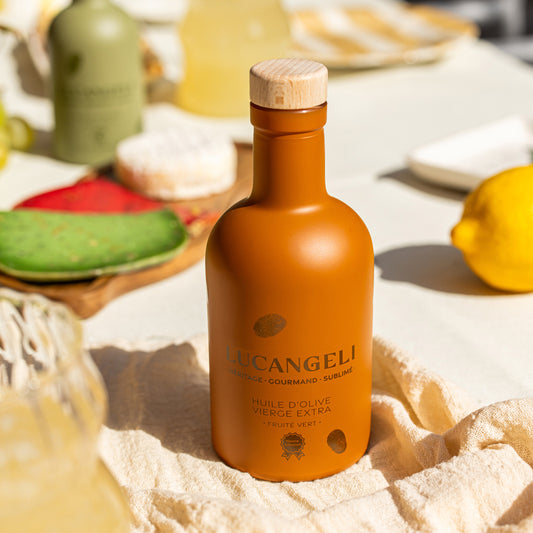
In Italy, olive oil is not just a condiment: it's an ingredient in its own right, present at every stage of the meal. For spring salads and raw vegetables, an organic green fruity olive oil brings herbaceous freshness and a slight bitterness characteristic of early-harvested olives. For hot dishes, meats, and roasted vegetables, an organic ripe fruity olive oil offers rounder, softer notes. For discovery enthusiasts, the olive oil trio allows you to explore different aromatic profiles and find the perfect pairing for each dish of the Easter meal.
Essential Products to Enhance Your Easter Meal
Beyond recipes, it's the quality of the products that makes the difference between an ordinary meal and a memorable one. Italian cuisine has always known this: a good ingredient, well-chosen, well-used, is enough to transform a simple dish into a gastronomic experience.
Balsamic Vinegar: The Final Touch That Changes Everything
A few drops of Gold IGP Balsamic Vinegar on a rocket salad, on seasonal strawberries, or on a spring vegetable carpaccio: this is a simple and elegant way to elevate a dish. Modena IGP balsamic vinegar is one of the most emblematic condiments in Italian cuisine. Its syrupy texture, its balance between sweetness and acidity, make it a precious ally for festive meals. It can also enhance a dessert, some strawberries, or a panna cotta, to conclude the Easter meal with refinement.
Original Ideas for the End of the Meal
To finish the Easter meal on a sweet and original note, the bergamot spread — awarded at the Épicures Or 2024 — offers a unique taste experience. Bergamot, an emblematic citrus fruit from Calabria, brings a floral freshness and a slight bitterness that pleasantly surprises the palate. Spread on brioche bread or eaten by the spoonful, it perfectly embodies the spirit of the Calabrian terroir. To give as a gift or to treat yourself, the customizable gift box allows you to gather favorite products and make a gourmet present for hosts or loved ones you receive for Easter.
The Italian Easter meal is ultimately an invitation to slow down, to savor, to share. No need for complicated recipes: good products, a well-set table, and the warmth of guests are enough for the magic to happen. Just like in Calabria, where the spring light falls on the olive groves and every festive meal is a sincere celebration of the land and family.




 lucangeli.it