


Basil pesto is one of the most iconic sauces in Italian cuisine. Born in Genoa, Liguria, it has spread far beyond its regional borders to become a summer table staple. But behind this familiar name lie important differences: between an industrial pesto and a DOP basil pesto prepared according to the rules of art, the taste is incomparable. Here's everything you need to know to choose, understand, and use basil pesto in your cooking.
Origins of pesto: from Genoa to all of Italy

Pesto was born in Genoa, a coastal city in Liguria, northwestern Italy. Its name comes from the Italian verb pestare, which means "to crush" — referring to the traditional method of preparation using a marble mortar. Historically, this sauce was prepared by Genoese sailors who took it to sea to preserve the fresh basil aromas. Today, pesto alla genovese is recognized worldwide as one of the symbols of Italian gastronomy.
The Ligurian cradle and the DOP label
In 2005, pesto genovese obtained the PGI (Protected Geographical Indication) recognition for Genoese basil, and the traditional recipe is governed by strict specifications. The DOP (Protected Designation of Origin) label guarantees that the ingredients used — particularly the basil — come from the Genoa region and are grown using traditional methods. This label is a guarantee of quality and authenticity: it protects the know-how of Ligurian producers and ensures consumers a product faithful to the original recipe.
When you choose a DOP basil pesto, you are opting for a product whose every ingredient has been carefully selected, prepared with extra virgin olive oil, without preservatives or additives.
The 7 ingredients of authentic pesto genovese
The traditional pesto genovese recipe is based on seven precise ingredients:
- Genoese DOP basil — fresh, small leaves, harvested young for a delicate aroma
- Extra virgin olive oil — preferably Ligurian or Italian, green fruity
- Parmigiano Reggiano DOP — aged at least 24 months, finely grated
- Pecorino Sardo — to add character and salt
- Pine nuts — for the creamy texture and slightly sweet note
- Garlic — a single clove is enough not to overpower the basil
- Coarse salt — used in the mortar to facilitate crushing the leaves
Any substitution — sunflower oil, dried basil, processed cheese — deviates from the authentic recipe and alters the final result.
How to choose a good basil pesto?

Given the multitude of pestos available in supermarkets, it's helpful to know how to read a label and identify the criteria that distinguish a quality pesto from an industrial product.
Homemade pesto vs. commercial pesto: what makes the difference
Homemade pesto, prepared with fresh basil and good olive oil, offers incomparable freshness and aromatic intensity. But not all commercial pestos are equal. Industrial pestos often contain sunflower oil, thickeners, and preservatives that alter the taste and texture. Conversely, an artisanal pesto prepared with extra virgin olive oil, without additives, is much closer to the traditional recipe.
To recognize a good pesto, check the list of ingredients: olive oil should be listed first, basil should be present in significant quantities, and the list should remain short. The color should be a vibrant green, a sign of freshness.
The role of olive oil in pesto
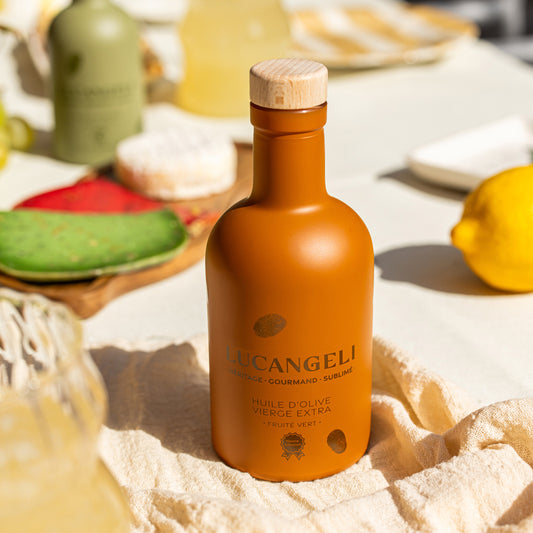
Olive oil is more than just a binder in pesto: it determines its taste, texture, and preservation. A green fruity organic olive oil, with herbaceous and slightly peppery notes, pairs perfectly with fresh basil and adds vibrancy to the sauce. This is the type of oil found in quality artisanal pestos.
For finishing touches — a drizzle over pesto pasta, on bruschetta, or grilled vegetables — an organic basil olive oil enhances the flavors of the dish with an extra aromatic touch, without weighing down the preparation.
How to use basil pesto in summer cooking?
Basil pesto is a versatile condiment that adapts to many preparations. In summer, it naturally finds its place in cold dishes, appetizers, and grilled foods.
The classics: pasta, bruschetta, grilled vegetables
The pesto-pasta combination is the best known. Ligurian trofie is the traditional shape, but penne, fusilli, or linguine work just as well. Pesto is not cooked: it is incorporated off the heat, with a little of the pasta cooking water to bind the sauce.
On bruschetta, pesto pairs very well with a sun-dried tomato tapenade: the two spreads complement each other, one bringing herbaceous freshness, the other the sweet and sour depth of candied tomatoes. A few drops of Gold PGI balsamic vinegar from Modena as a finish on a pesto and burrata bruschetta create a particularly successful contrast of flavors.
On grilled vegetables — zucchini, eggplant, bell peppers — pesto is used as a dipping sauce or a light marinade before cooking.
Original ideas to enhance your summer dishes
Basil pesto can also venture off the beaten path. Some ideas for summer:
- In a vinaigrette: diluted with a little olive oil and lemon juice, it becomes a fragrant vinaigrette for a tomato, mozzarella, and arugula salad.
- As a marinade: mixed with olive oil, it flavors shrimp or chicken before grilling.
- On a white pizza: replacing tomato sauce, with burrata and cherry tomatoes.
- In a risotto: incorporated at the end of cooking for a summery and fragrant version.
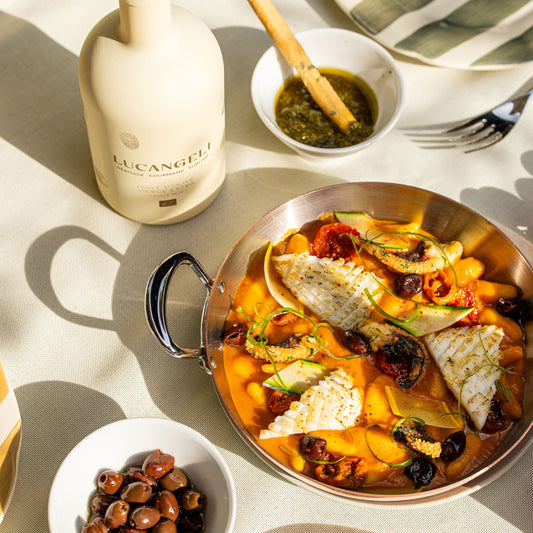
For a convivial aperitif, pair pesto with an assortment of spreads: the set of 4 tapenades — black olive tapenade, sun-dried tomatoes, pesto, and olive caviar — accompanied by pitted black olives in extra virgin olive oil, creates a complete and generous antipasti table. To offer these Italian flavors, the customizable gift box allows you to gather the essential products of an Italian table in a beautiful setting.






 lucangeli.it