


Panzanella is one of the most iconic summer salads in Italian cuisine. Made with stale bread, ripe tomatoes, and summer vegetables, it embodies the Mediterranean philosophy of "nothing goes to waste": transforming leftovers into a flavorful, fresh, and generous dish. Originating in Tuscany, this bread salad has spread far beyond its regional borders to become a summer staple in Italy and France. To make it successfully, the quality of the ingredients — especially olive oil and balsamic vinegar — makes all the difference.
Origins and History of Panzanella
A Recipe Born from Tuscan Peasant Tradition
Panzanella is a dish rooted in the peasant tradition of Tuscany, and more broadly, central Italy. Its name is believed to come from the word panza (bread) or a contraction of pane (bread) and zanella (bowl). Historically, this salad was prepared by farmworkers who would rehydrate stale bread from the day before with water and vinegar, then mix it with available vegetables: tomatoes, onions, cucumbers, basil. A subsistence dish that, over the centuries, became a celebrated seasonal recipe throughout Italy.
From Tuscany to All of Italy
While panzanella is primarily associated with Tuscany, variations can be found in other Italian regions: Umbria, Marche, Campania. Each region adds its local touch — anchovies in the South, capers in Sicily, grilled bell peppers in Puglia. What remains consistent is the spirit of the dish: a generous bread salad, seasoned with good organic fruity-ripe olive oil and a drizzle of Modena balsamic vinegar.

Panzanella Today
Today, panzanella is experiencing renewed interest in France, driven by the popularity of Mediterranean cuisine and no-cook recipes. It graces summer tables, picnics, and patio meals. Its apparent simplicity hides a true demand: the quality of the ingredients. Good sourdough country bread, ripe seasonal tomatoes, and careful seasoning with Gold Collection IGP balsamic vinegar make all the difference between an ordinary panzanella and a memorable one.
How to Make a Successful Panzanella: Ingredients and Tips
The Bread: The Foundation of Everything
The choice of bread is crucial. Traditionally, unsalted Tuscan white bread (pane sciocco), slightly stale, is used. In France, a two-to-three-day-old sourdough country bread is perfect: it absorbs moisture from the tomatoes without falling apart. Avoid industrial baguettes, which turn to mush when they come into contact with the juice. The bread can be cut into cubes and lightly grilled for more texture, or simply left to rehydrate in the vegetable juices.
Vegetables and Seasoning
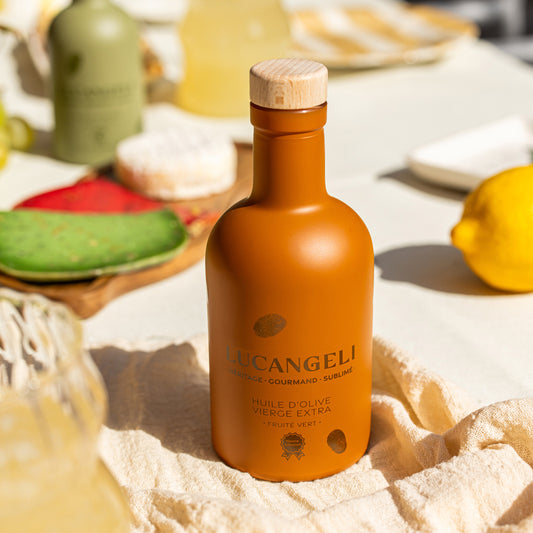
Tomatoes are the soul of panzanella. Choose firm, flavorful varieties: beefsteak, ribbed tomatoes, cherry tomatoes of various colors. Cucumber adds freshness, red onion a slight acidity. Fresh basil is essential. For seasoning, the rule is simple: quality olive oil and Modena balsamic vinegar. An organic green fruity olive oil, with its vegetal and slightly peppery notes, pairs perfectly with the freshness of tomatoes. For the vinegar, Silver Edition IGP balsamic vinegar provides the characteristic sweet-tart balance of this Modena condiment.
Resting Time and Serving
Panzanella benefits from resting in the refrigerator for 30 minutes to 1 hour before serving. This resting time allows the bread to soak up the tomato juices and all the flavors to meld. Take it out of the refrigerator 15 to 20 minutes before serving to enjoy it at room temperature. Do not prepare it too far in advance: beyond 2 hours, the bread may become too soggy.
Variations and Ideas for Customizing Your Panzanella
Gourmet Additions
Panzanella lends itself to many variations. For a more generous version, you can add pitted black olives in extra virgin olive oil, which bring an intense flavor and a melting texture. Capers, anchovies in oil, or canned tuna can enrich the salad with umami flavors. For a creamier vegetarian version, a ball of burrata or stracciatella placed in the center just before serving transforms panzanella into a main course.
Aromatic Variations
For a panzanella with more herbaceous notes, replace classic olive oil with organic basil olive oil, obtained by co-crushing olives and fresh basil. The result is a salad with green, fragrant notes, without the need to add extra basil. You can also incorporate a spoonful of DOP basil pesto into the vinaigrette for a richer, more complex version.

Panzanella as an Aperitif Base
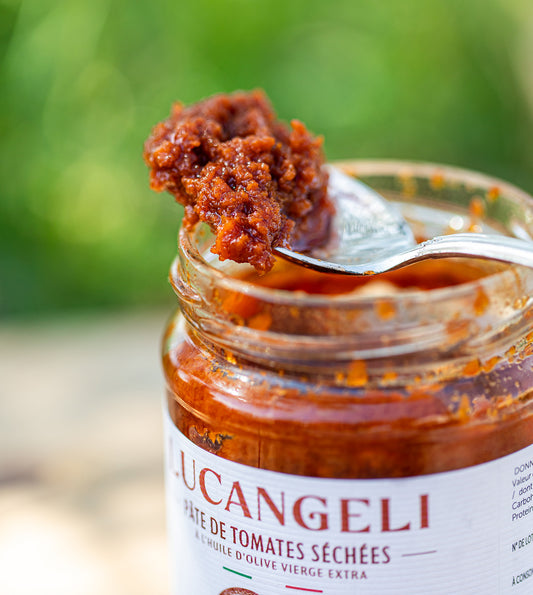
Panzanella can also be served as an aperitif, in small portions in verrines or on grilled bread slices. In this case, enrich it with a spoonful of sun-dried tomato tapenade or black olive tapenade for an extra Mediterranean touch. To create a complete Italian-style aperitif, the set of 4 tapenades allows for varying flavors and offering several accompaniments alongside the panzanella.




 lucangeli.it