


Chinese New Year is an important celebration in Asian culture, marking the beginning of a new year according to the lunar calendar. It is an occasion to gather with family, share traditional dishes, and wish each other health and prosperity for the coming year. But did you know that this holiday can also be an opportunity to discover new flavors by mixing Asian and Italian cuisines? In this article, we will explore the culinary fusion between these two cultures and discover how Italian condiments, such as olive oil and balsamic vinegar, can bring a touch of originality and delicacy to Asian dishes.
Culinary fusion: when two cultures meet

Culinary fusion is the art of blending different culinary traditions to create new dishes and flavors. It is increasingly popular worldwide, allowing chefs to push the boundaries of creativity and offer unique gastronomic experiences. And what could be better than mixing Asian cuisine, renowned for its fresh ingredients and intense flavors, with Italian cuisine, famous for its simplicity and refinement?
Olive oil: a touch of elegance in Asian dishes
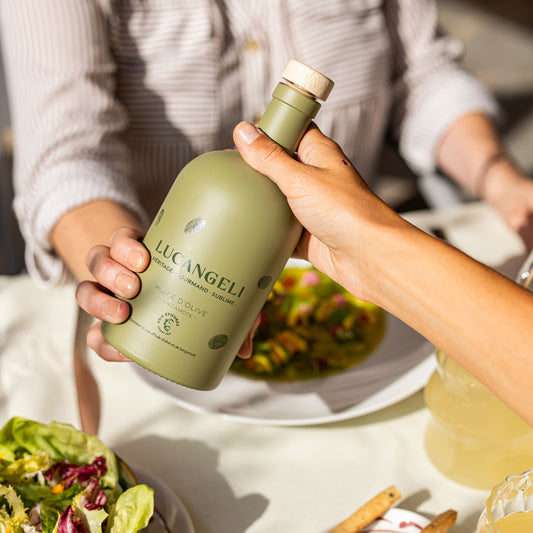
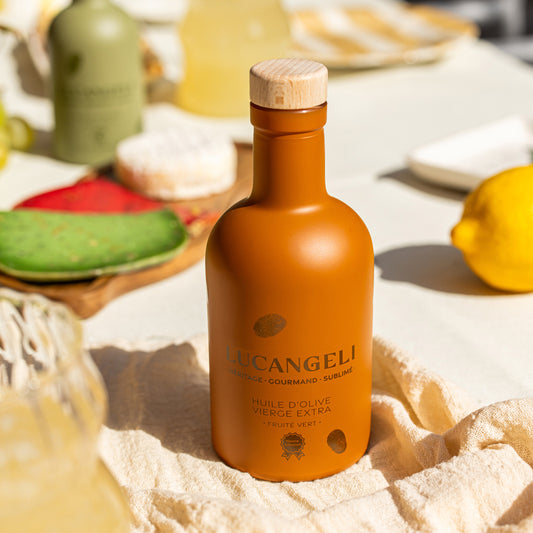
Olive oil is an essential ingredient in Italian cuisine, but it can also bring a touch of originality to Asian dishes. Its fruity flavor and silky texture make it an excellent choice for enhancing stir-fried vegetables, noodles, or even soups. Organic green fruity olive oil offers herbaceous notes that pair perfectly with the crisp vegetables and fresh herbs of Asian cuisine.
Balsamic vinegar: an explosion of flavors in Asian sauces
Balsamic vinegar is a choice ingredient in Italian cuisine, but it can also be used to bring a touch of zest and sweetness to Asian dishes. Its sweet and sour taste and syrupy texture make it an ideal complement for meat marinades, sauces for rice dishes, or crisp vegetable salads. The "Gold" collection PGI balsamic vinegar brings exceptional aromatic complexity to fusion dishes.
Surprising combinations that work
The culinary fusion between Italy and Asia reveals surprising combinations: olive oil pairs perfectly with ginger and lemongrass, while balsamic vinegar enhances the umami flavors of miso and soy sauce. These blends create novel taste profiles that enrich the culinary experience.
Italian condiments: an invitation to a culinary journey

In addition to olive oil and balsamic vinegar, Italian cuisine is full of other condiments that can enhance Asian dishes. Sun-dried tomato tapenades can bring a Mediterranean touch to spring rolls, while DOP basil pesto transforms a simple bowl of noodles into a refined culinary experience.
Fusion recipes to try for Chinese New Year
Now that you've discovered how Italian condiments can enrich Asian cuisine, here are some fusion recipe ideas to try:
Italian-style stir-fried noodles: stir-fry Chinese noodles with vegetables, chicken, and ripe fruity olive oil. Add a touch of balsamic vinegar and basil for an explosion of flavors.
Crispy chicken with balsamic sauce: marinate chicken pieces in a sauce made from PGI balsamic vinegar, honey, garlic, and ginger. Then fry them and serve with rice and stir-fried vegetables.
The art of flavor balance
The success of culinary fusion lies in the balance of flavors. Italian condiments bring richness and depth, while Asian ingredients bring freshness and intensity. This harmony creates memorable dishes that surprise and delight the taste buds.
Creating an authentic culinary experience
To make your fusion dishes successful, choose quality products that respect the traditions of each culture. Artisanal Italian condiments, such as those offered in discovery boxes, guarantee the authenticity of flavors and the success of your culinary creations.
The importance of ingredient quality
Culinary fusion can only succeed with exceptional ingredients. For example, bergamot olive oil brings a unique citrus note that enhances Asian fish dishes, creating a taste bridge between the Mediterranean and Asia.
Tips for starting out in culinary fusion
Start with simple combinations: a few drops of olive oil in a miso broth, or a hint of balsamic vinegar in a teriyaki sauce. Let your palate guide you and don't hesitate to experiment with artisanal spreads to create original fusion desserts.
By blending Italian and Asian cuisines, you can discover new flavors and create unique and delicious dishes to celebrate Chinese New Year. Quality Italian condiments can transform your traditional dishes into refined gastronomic creations, paving the way for an authentic and flavorful fusion cuisine.





 lucangeli.it