


Essential Summer Vegetables in Italian Cuisine
Italian summer cuisine is based on a simple principle: letting seasonal vegetables express themselves. No need for complex techniques or rare ingredients. What makes the difference is the quality of the produce and respect for its nature. In Italy, each region has its iconic recipes, but all share the same love for sun-drenched vegetables.
Eggplants, Zucchini, Bell Peppers: The Sun Trio
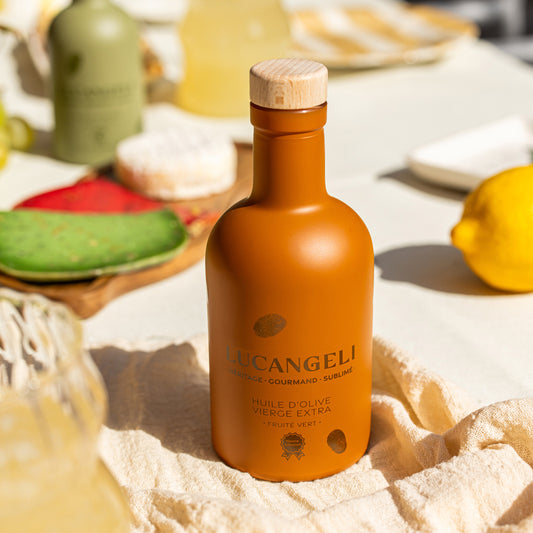
Eggplant, zucchini, and bell pepper form the essential trio of Italian summer cuisine. Eggplant is the queen of Sicilian caponata and parmigiana. Zucchini, more delicate, lends itself to grilling, raw carpaccios, or pasta sauces. Bell peppers, grilled and peeled, become tender and slightly sweet—perfect for antipasti. These three vegetables naturally pair with a fruity green organic olive oil, whose herbaceous and slightly peppery notes reveal their freshness.
Tomatoes and Onions: The Bases of Cucina Povera
Tomatoes are the soul of Italian summer cuisine. Raw in salads, roasted in the oven, confit in olive oil, or made into a sauce, they are present in almost all summer preparations. Red onion, sweeter and slightly sugary, accompanies grilled vegetables or pairs with a drizzle of Modena PGI Gold Collection balsamic vinegar for a tangy and caramelized touch. These two ingredients are the pillars of cucina povera, the simple and generous cuisine of southern Italy.
How to Choose Your Summer Vegetables Well
The quality of vegetables is crucial. Opt for firm vegetables with smooth, shiny skin, preferably bought from local markets or directly from producers. In summer, sun-drenched vegetables are at their peak: they are more flavorful, more fragrant, and easier to cook. To enhance them, the 200ml organic olive oil trio—fruity green, fruity ripe, and bergamot—offers three different aromatic profiles to adapt to each vegetable and preparation.
The Best Techniques for Cooking Italian-Style Vegetables

In Italy, vegetable cooking is not complicated. They are respected. The techniques used are simple but precise, and each reveals a different facet of the vegetable.
Grilling and Planche Cooking
Grilling is undoubtedly the most common technique in Italy for summer vegetables. It lightly caramelizes the surface, adds smoky notes, and concentrates flavors. To achieve good grilling, cut the vegetables into regular slices of about 1 cm, brush them with olive oil before cooking, and cook them on a hot grill. A fruity ripe organic olive oil, with its soft and round notes, is ideal for cooking: it withstands heat well and coats the vegetables with a golden, fragrant veil.
Oven Cooking and Confit Vegetables
Slow oven cooking allows vegetables to confit in their own juices. Cherry tomatoes, bell peppers, and red onions transform in a few hours into concentrated flavors. Arrange them in a dish, drizzle generously with olive oil, add garlic, thyme or rosemary, and bake at 150°C for 1.5 to 2 hours. A drizzle of Modena PGI Silver Collection balsamic vinegar added at the end of cooking brings a tangy touch that balances the sweetness of the confit vegetables.
Marinating: The Step That Makes All the Difference
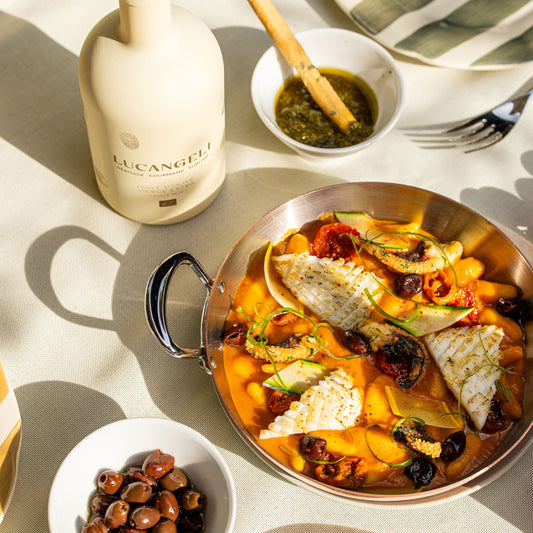
In Italy, grilled vegetables are often marinated after cooking—not before. This technique, typical of Italian antipasti, involves dipping still-warm vegetables into a marinade made with olive oil, garlic, vinegar, and fresh herbs. The result is spectacular: the vegetables absorb the marinade's aromas and can be stored in the refrigerator for several days. To enrich this marinade, pitted black olives in extra virgin olive oil provide an incomparable Mediterranean aromatic depth.
Italian Seasonings to Enhance Summer Vegetables
Italian summer cuisine is not just about cooking. Seasoning is a separate step that transforms a simple grilled vegetable into a memorable dish.
Olive Oil, the Central Ingredient
In Italy, olive oil is not just a fat: it is a condiment in its own right. It is used raw, drizzled over grilled vegetables, to add roundness and character. The choice of oil changes everything. A bergamot olive oil—awarded at the Epicures 2023—brings a floral and citrus note that pairs particularly well with grilled zucchini, roasted bell peppers, or a simple bruschetta. It is the final seasoning, the one that defines the dish.
Balsamic Vinegar, Pesto, and Tapenades
Beyond olive oil, Italian summer cuisine uses other emblematic condiments. Modena balsamic vinegar, with its syrupy texture and sweet-tangy balance, is perfect for glazing roasted vegetables or dressing a tomato salad. DOP basil pesto, made with olive oil, transforms a simple plate of grilled zucchini into a generous and fragrant dish. Sun-dried tomato tapenade and black olive tapenade can be used as an accompaniment, spread on grilled bread, or as a sauce to enrich a vegetable dish.
Plating and Serving Ideas

Italian-style summer vegetables can be served hot or cold, as a starter, side dish, or vegetarian main course. Some ideas to highlight them: arrange grilled vegetables in layers on a platter, alternate colors, add fresh herbs (basil, oregano, mint), and finish with a drizzle of olive oil. For a convivial aperitif, the set of 4 tapenades pairs perfectly with a platter of grilled vegetables and ciabatta bread. To give as a gift or treat yourself, the customizable gift box allows you to gather the essentials of Italian summer cuisine in one gourmet gesture.




 lucangeli.it