


Spring awakens our gardens and our taste buds with the arrival of the first fresh aromatic herbs. Basil, parsley, chives, mint... these green treasures transform our simplest dishes into gustatory symphonies. But how can we fully reveal their aromatic potential? The answer lies in the art of combining them with quality olive oil, a true flavor catalyst.
Spring aromatic herbs: a sensory awakening
The revival of fresh flavors
From March onwards, nature offers us its first aromatic gifts. Basil unfurls its tender leaves with aniseed notes, while flat-leaf parsley reveals its herbaceous freshness. These spring herbs are distinguished by their exceptional aromatic intensity, the result of slow growth during the colder months.
Combining them with an organic green fruity olive oil captures and prolongs these delicate aromas. The oil acts as a natural preservative for volatile compounds, preserving the freshness of the herbs long after they have been harvested.

Harvesting at the right time
The quality of aromatic herbs largely depends on the timing of their harvest. The early morning hours, as the dew evaporates, are ideal. Essential oils are then at their maximum concentration, offering more intense and complex flavors.
To preserve this freshness, infusion in an organic ripe fruity olive oil is an age-old technique. This method allows you to create flavored oils that retain the very essence of spring.
Essential varieties
Each aromatic herb has its unique taste personality. Basil, the king of Mediterranean herbs, flourishes particularly well with mild oils. Mint brings its menthol freshness, ideal for summer preparations. Parsley, often underestimated, reveals complex notes when combined with a characterful oil.
The art of infusion: techniques and secrets
Traditional cold method
Cold infusion preserves the integrity of delicate aromas. This technique consists of steeping fresh herbs in olive oil for several days. The trio of 200ml organic olive oil offers the possibility of experimenting with different aromatic profiles depending on the herbs chosen.
Patience is key to this method. Allow at least 48 hours for a light infusion, up to a week for more pronounced flavors. The oil gradually takes on the natural pigments of the herbs, creating visual nuances as seductive as they are tasty.
Hot infusion for the busy
For those who want faster results, hot infusion offers an interesting alternative. This method requires special attention to avoid denaturing the aromas. The temperature should never exceed 60°C, beyond which volatile compounds evaporate.
A bergamot olive oil can serve as a base for creating complex blends, where citrus notes harmonize beautifully with spring herbs.

Storage and use
Herb-infused oils can be stored for several months under good conditions. Darkness and coolness are essential to preserve their organoleptic qualities. Filtering the oil after infusion removes plant residues and produces a more stable product.
Culinary applications: from appetizer to dessert
Enhancing seasonal vegetables
Early vegetables pair perfectly with herb oils. A simple pink radish salad transforms into a springtime delight with a few drops of parsley oil. Asparagus, an emblematic vegetable of the season, reveals all its finesse when accompanied by basil oil.
DOP basil pesto perfectly illustrates this philosophy of combining fresh herbs with quality olive oil. This traditional Ligurian preparation concentrates the essence of basil in a creamy and fragrant texture.
Reinventing traditional dishes
Aromatic herbs allow us to revisit culinary classics. A simple herb omelet takes on a new dimension with a fragrant oil. Pasta, faithful companions of olive oil, are adorned with spring flavors thanks to these creative combinations.
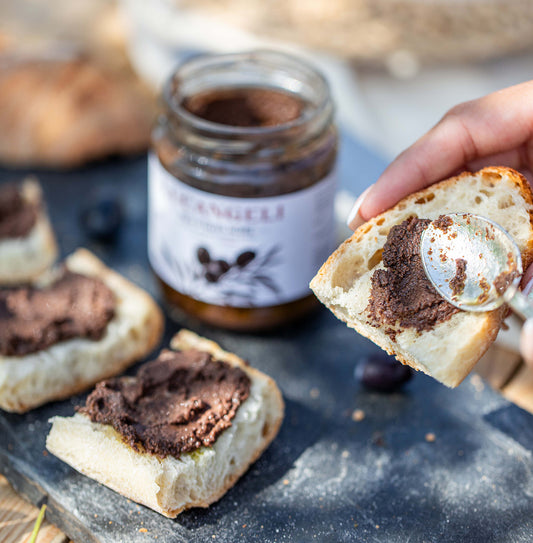
Spreads can also benefit from these aromatic touches, creating refined appetizers where each bite tells the story of the Mediterranean spring.
Fragrant desserts and sweets
The use of herbs in pastry opens up unsuspected gustatory horizons. Mint pairs deliciously with chocolate, while basil brings a surprising note to red fruit desserts. A Calabrian bergamot spread can serve as a base for creating desserts where aromatic herbs bring their contrasting freshness.
These culinary experiments reveal the versatility of aromatic herbs, far beyond their traditional use in savory cooking. They open the way to creative gastronomy where flavors are reinvented with the seasons.
Spring invites us to rediscover the simple pleasures of cooking with fresh herbs. Olive oil, a faithful companion to these aromatic treasures, reveals and magnifies their delicate flavors. This age-old alliance between olive and Mediterranean herbs continues to inspire chefs worldwide, perpetuating a culinary tradition where every drop tells the story of the terroir.




 lucangeli.it