
The drought of summer 2026 and the spring frosts have upended the olive harvest across the Mediterranean. What you pour onto your plate is directly affected: climate change does not just alter the quantity of oil produced; it changes its composition, acidity and aromatic profile. Here’s what you need to know to read a label differently — and make an informed choice.
What water stress does to olives even before they are picked

The olive suffers, and that suffering shows in the oil
The olive tree is hardy, but its resilience has measurable limits. When rainfall drops below a certain threshold during July and August, olive ripening accelerates abnormally. The fruit grows less, its water content decreases, and the concentration of free fatty acids in the flesh rises as a result.
This increase in free acidity is not a milling defect. It is already present in the fruit at harvest. An impeccable mill, perfect cold extraction, a processing time of less than twenty-four hours: none of this can undo what happened in the olive grove in the heat.
In Calabria, the Carolea variety — used in oils bearing the Olio di Calabria IGP designation — does not cope well with more than fifteen consecutive days without rain in midsummer. Beyond this threshold, producers see oil yields fall by twenty to thirty percent, while free acidity can reach the regulatory limit of 0.8 grams per one hundred grams permitted for extra virgin designation.
Yields fall, and concentration changes
An olive tree that is well irrigated or watered by autumn rains produces olives whose flesh contains around twenty-two to twenty-five percent oil. In a dry year, this figure sometimes drops to sixteen or eighteen percent. More olives are therefore needed to produce the same litre of oil — which partly explains the price increases seen on European markets in autumn 2026.
But concentration also changes the oil’s quality. Polyphenols, which determine the bitterness and peppery pungency characteristic of a high-quality extra virgin olive oil, are naturally more concentrated in a small olive with less water content. Oil from a stressed harvest can therefore have a more intense, more powerful flavour — provided the rest of the process is properly controlled. This is not necessarily bad news.
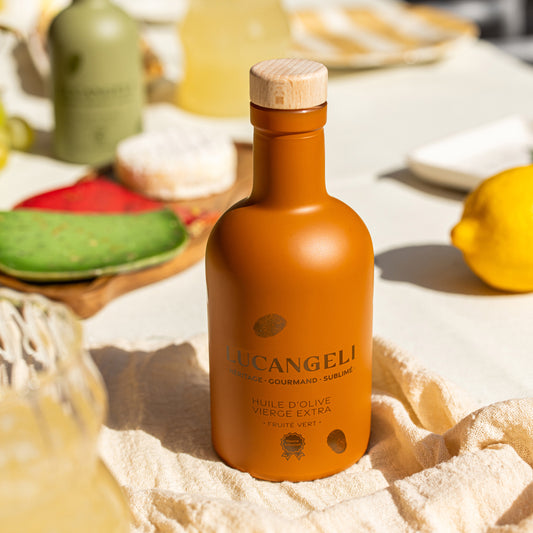
To discover how this intensity varies with the ripeness stage chosen for picking, you can explore our organic green-fruity olive oil, harvested early to preserve its vibrant aromatic character.
What frost does to the tree and the harvest

Damage that remains invisible until milling
Frost poses a different kind of threat. Unlike drought, which acts gradually over several weeks, a single late frost — in March or April, when buds have already emerged — can jeopardize flowering within hours and drastically reduce the number of fruits expected in autumn.
But winter or spring frost is not the only thing to watch out for. When temperatures remain below minus seven degrees Celsius for an extended period, the cells in the flesh of formed olives rupture. During milling, this cellular damage speeds up oxidation and releases enzymes that break down fatty acids. The result is oil whose peroxide value — a measure of primary oxidation — rises significantly above twenty milliequivalents of active oxygen per kilogram, the maximum threshold for extra virgin classification.
What to check on the label after a difficult year for the climate
A harvest affected by frost or drought does not automatically produce poor-quality oil. It produces a different oil that requires greater care at every stage of the process. Here’s what to look for:
- Free acidity, expressed in grams per one hundred grams: below 0.3, the oil is excellent whatever the year; between 0.3 and 0.8, it still qualifies as extra virgin, but with less margin for error.
- Peroxide value: a figure below ten indicates oil with little oxidation; between ten and twenty, it is still classified as extra virgin, but will have a shorter shelf life.
- Harvest date, if shown on the label: an early harvest in October, when the olives are still green, limits the damage caused by summer drought because the period of exposure is shorter.
- Lot number, which makes it possible to trace the oil back to the specific plot and harvest season if you want more information from the producer.
Our organic ripe-fruity olive oil and ripe-fruity olive oil, 1 L limited edition incorporate these checks into every harvest season.
How the 2026 climate is affecting oils from this harvest
A Mediterranean harvest under pressure, but with differences from one area to another
Summer 2026 was marked by intense drought throughout the Mediterranean basin, with prolonged temperature records in southern Italy, Spain and Greece. Initial yield estimates published in September indicated significant production declines in several growing regions, with substantial variations depending on the altitude and exposure of the plots.
In Calabria, plots at higher elevations — between two hundred and five hundred metres — fared better than coastal plains. Cooler nights and higher relative humidity limited water stress and kept yields closer to normal. This is one reason why the precise origin of an oil, not just its country or region of production, matters in a tangible way in difficult years.
For anyone who wants to understand the industry as a whole, our organic olive oil discovery duo, featuring two 500 ml bottles, lets you compare two fruity profiles from the same harvest side by side.
Should you change your shopping habits in 2026?
A few practical adjustments are worth making when a harvest is under climate pressure:
- Buy smaller quantities at a time and replenish more often. Oil with a slightly higher peroxide value than usual will keep for less time, so it’s best not to stock up for a whole year.
- Choose opaque packaging or tin-plated steel cans, which offer better protection from light and slow photo-oxidation.
- Store your oil away from heat. The space next to the stovetop, often used out of habit, is the worst place for it: heat speeds up the degradation of free fatty acids.
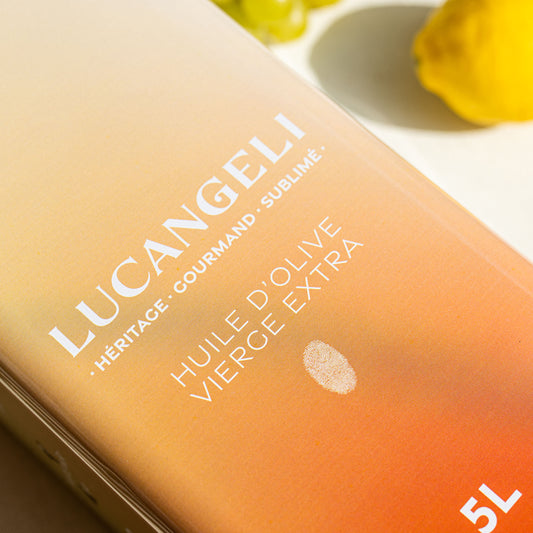
- If you buy a five-litre can for household use, decant the oil into an opaque bottle and seal the can carefully after each use. Our 5-litre can of organic olive oil features an airtight closure to limit oxidation caused by contact with air.
Professionals managing larger stocks can find specific advice on stock rotation and storage on our professional page.
Frequently asked questions
Is olive oil produced in a dry year necessarily lower in quality?
Not necessarily. Moderate drought can concentrate the aromas and polyphenols in smaller olives. Acidity and peroxide value remain the two reliable indicators: as long as they are within extra virgin limits, the oil is good quality. It is excessive stress, not drought itself, that degrades quality.
How can I tell if the oil I’m buying comes from a harvest affected by frost?
The harvest date on the label is the first thing to check. If the oil is from an October or November 2026 harvest in a region that was little affected by spring frost, the risk is limited. You can also ask the producer or retailer directly for the acidity and peroxide value data for the lot in question: a reputable producer will readily provide them.
Why does the price of olive oil rise after a difficult year for the climate?
Because yields fall without production costs decreasing proportionally. Pruning the trees, harvesting, transport, milling and bottling cost roughly the same regardless of the quantity of oil extracted. When more olives are needed to produce a litre of oil, the cost per litre inevitably rises. The quality, however, can remain excellent if the producer has selected their plots carefully and managed every stage of the process.




 lucangeli.it