


Lent is a 40-day period that encourages a review of eating habits: less meat, more plant-based foods, simple and tasty dishes. Far from being a restriction, this culinary interlude is a wonderful opportunity to rediscover spring vegetables and Mediterranean regional products. Italian cuisine, rooted in respect for the seasons, offers an inexhaustible source of inspiration in this regard.
Lent and plant-based cuisine: an ancient tradition

A period of culinary sobriety
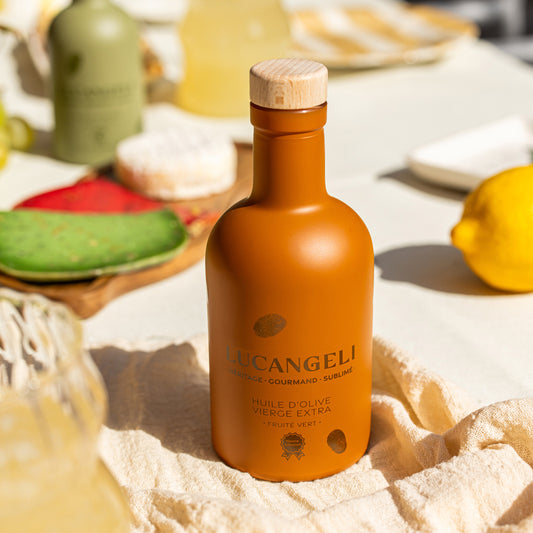
Lent begins on Ash Wednesday and ends on Holy Saturday, 40 days before Easter. Historically, this period was marked by abstinence from meat, eggs, and dairy products. Today, the practice has softened, but the idea of simpler, more plant-based, and more measured cooking remains deeply ingrained in many families. It is also an invitation to cook differently, to slow down, and to value raw ingredients. To accompany these plant-based dishes with finesse, an organic green fruity olive oil brings an herbaceous freshness that enhances raw or steamed vegetables.
The Italian tradition of Lent
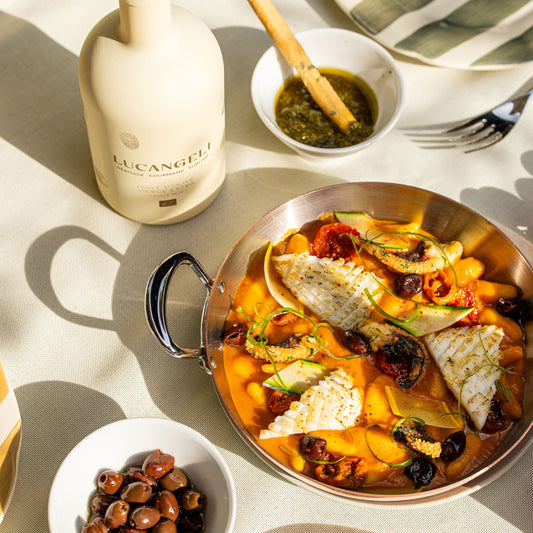
In Italy, Lent is a culinary period in its own right. In the southern regions, particularly Calabria, families prepare dishes based on legumes, seasonal vegetables, and cereals. Pasta with vegetables, lentil soups, artichokes in olive oil, or fresh fava bean salads are part of the traditional repertoire. These simple recipes, passed down from generation to generation, show that eating plant-based can be deeply delicious. Pitted black olives in extra virgin olive oil are a perfect example of these little treasures from the Mediterranean pantry, ready to enrich any seasonal dish.
What to eat during Lent?
Lenten cuisine is based on a few pillars: seasonal vegetables, legumes (lentils, chickpeas, beans), cereals (pasta, rice, polenta), fish on Fridays, and aromatic herbs to enhance flavors. Extra virgin olive oil plays a central role in this cuisine: it replaces animal fats and adds character to every preparation. An organic ripe fruity olive oil with round and fruity notes pairs perfectly with oven-roasted vegetables or legume soups.
Spring vegetables at the heart of light Italian cuisine
Early vegetables in the spotlight
With the arrival of spring, market stalls fill with early vegetables: green asparagus, peas, fava beans, artichokes, spinach, new zucchini. In Italy, these vegetables are celebrated in emblematic recipes such as penne alla primavera (pasta with spring vegetables), Roman vignarola (spring vegetable stew), or Roman-style artichokes. These plant-based dishes, generous and colorful, prove that meatless cooking can be festive and satisfying. To season them, a drizzle of PGI balsamic vinegar brings a touch of gentle acidity that perfectly balances the flavors.
Italian aromatic herbs and condiments
Light Italian cuisine also relies on the art of condiments. Basil, oregano, rosemary, sage: these herbs transform a simple vegetable dish into a memorable taste experience. DOP basil pesto, prepared with DOP Genovese basil and extra virgin olive oil, is one of the most versatile condiments in Italian cuisine. It pairs equally well with pasta as it does with grilled vegetables, bruschetta, or mixed salads. It's a savory shortcut to Italy, even during Lent.
Italian spreads for gourmet plant-based meals
To vary the pleasures during Lent, Italian spreads are valuable allies. The dried tomato tapenade, concentrated with sunny flavors, can be spread on grilled bread or incorporated into pasta sauces. The black olive tapenade, made with olives and extra virgin olive oil, brings an umami depth to plant-based dishes. To discover several flavors at once, the set of 4 tapenades allows you to compose varied and colorful meals throughout the week.
How to compose balanced and tasty plant-based meals?
The basics of an Italian-style plant-based meal
A successful Italian-style plant-based meal relies on a few simple principles: combining a cereal (pasta, rice, polenta) with seasonal vegetables, adding a source of plant protein (legumes, cheese), and seasoning generously with olive oil and herbs. Italians have perfected this art for centuries, particularly in the rural southern regions where meat was scarce and garden vegetables constituted the bulk of the daily diet. A good organic green fruity olive oil drizzled over a hot or cold vegetable dish makes all the difference.
Ideas for plant-based meals inspired by Italian cuisine
Here are some ideas for plant-based meals inspired by Italian tradition, perfect for Lent and spring:
- Bruschetta with grilled vegetables: grilled country bread, seasonal vegetables roasted in olive oil, dried tomato tapenade
- Pasta primavera: al dente pasta, peas, asparagus, zucchini, DOP basil pesto
- Italian lentil salad: green lentils, cherry tomatoes, black olives, PGI balsamic vinegar, olive oil
- Legume soup: chickpeas or white beans, seasonal vegetables, aromatic herbs, olive oil to finish
- Artichokes in olive oil: steamed artichokes, seasoned with organic ripe fruity olive oil and lemon
To accompany these meals, a glass of organic bergamot juice brings a citrusy and refreshing note, typical of the Calabrian terroir.
Cooking plant-based without sacrificing flavor
The main challenge of plant-based cooking is not to sacrifice gustatory pleasure. The Italian answer to this challenge is simple: focus on the quality of the ingredients. A characterful olive oil, a well-aged balsamic vinegar, an artisanal pesto, or a generous olive tapenade: these products transform the simplest dishes into moments of authentic pleasure. Lent, far from being a period of deprivation, becomes an invitation to cook with more attention, to choose local products, and to rediscover the richness of Mediterranean plant-based cuisine.
The arrival of spring is the ideal time to renew your way of cooking. Early vegetables, quality Italian condiments, extra virgin olive oil: all the ingredients are gathered to get through Lent with gourmet delight and lightness. Italian cuisine, in its popular wisdom, has always known how to make simplicity a celebration.






 lucangeli.it