


Winter is a season when it's important to take care of our health and diet. And among the essential ingredients for healthy cooking, olive oil holds a special place. But how do you choose the right olive oil in winter to enjoy all its benefits? In this article, we offer a complete guide to help you make the right choice and use it optimally in winter cooking.
The challenges of olive oil in winter

In winter, temperatures drop, which can impact the preservation and use of olive oil. Indeed, cold can alter the quality of the oil and affect its nutritional properties. In addition, our nutritional needs change in winter, which can influence our choices regarding olive oil. Finally, culinary habits also evolve in winter, with warmer and richer dishes. These are all challenges to overcome to choose and use your olive oil well in winter.
Impact of cold on preservation
Cold can be a real enemy for olive oil. Indeed, low temperatures can cause the oil to crystallize, making it thick and less easy to use. This can also alter the taste and nutritional properties of the oil. It is therefore important to choose an olive oil suitable for winter and store it in optimal conditions.
Specific nutritional needs in winter
In winter, our bodies need more nutrients to cope with the cold and seasonal illnesses. This is why it is important to choose an olive oil that meets our specific nutritional needs during this period. In addition to being a source of essential fatty acids, olive oil also contains antioxidants and vitamins that strengthen our immune system.
Adapting culinary uses
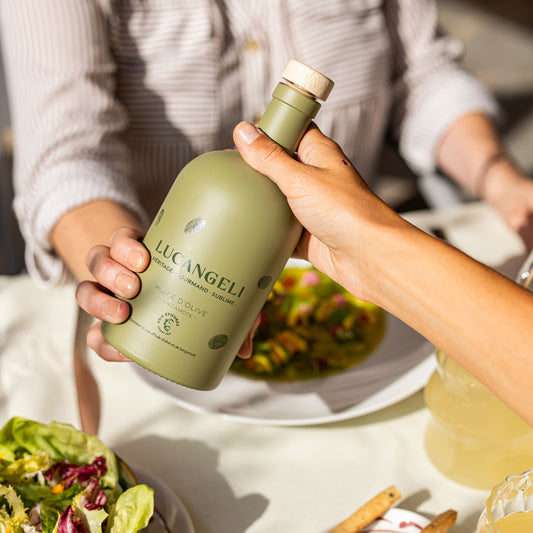
In winter, we tend to favor warmer and richer dishes, such as soups, stews, or gratins. It is therefore important to choose a organic green fruity olive oil that pairs well with these dishes and will add an extra touch of flavor. Moreover, the use of olive oil in cooking in winter can be different from that in summer, particularly in terms of quantity and cooking method.
Essential criteria for choosing quality olive oil

To choose your olive oil well in winter, it is important to consider certain essential criteria that guarantee its quality and freshness.
Understanding appellations and labels
There are various appellations and labels for olive oil, which can sometimes be confusing. It is therefore important to understand them well to know what you are buying. The "extra virgin" appellation guarantees a superior quality olive oil, obtained by mechanical processes and without any chemical treatment. Organic and PDO (Protected Designation of Origin) labels are also guarantees of quality and traceability.
The importance of origin and terroir
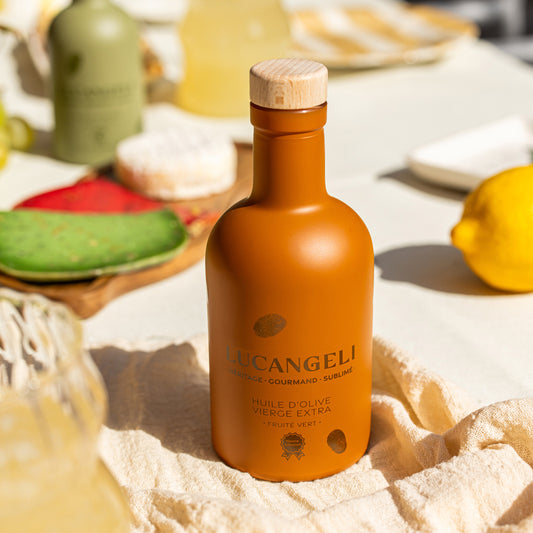
Origin and terroir are decisive elements in the quality of olive oil. Indeed, the climate, soil, and olive varieties influence the taste and properties of the oil. For quality olive oil, favor those from regions renowned for their olive oil production, such as Italy for example. The perfect trio of organic olive oils allows you to discover different terroirs and taste profiles.
Recognizing fresh olive oil
To benefit from all the advantages of olive oil, it is essential to consume it within 18 months of its production. To recognize fresh olive oil, you must rely on its color (green for young olive oils and yellow for more mature oils), its smell (fruity and fresh), and its taste (fruity, bitter, and pungent).
Optimizing the use of olive oil in winter cooking
Once you have chosen a quality olive oil, it is important to use it optimally in winter cooking.
Adapted cooking techniques
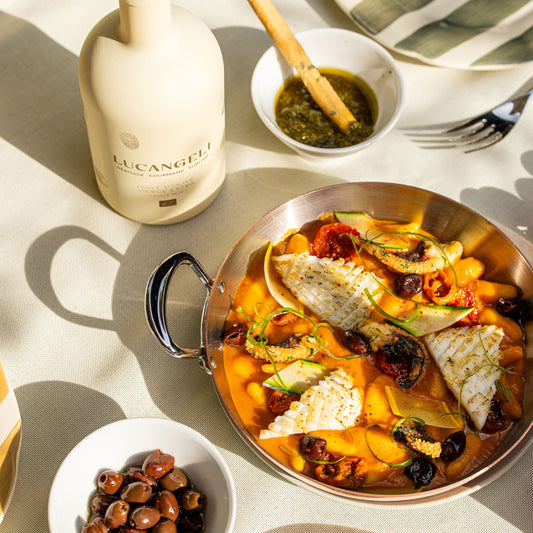
In winter, we tend to favor stews, soups, or gratins. For these types of cooking, it is preferable to use an olive oil that resists heat better and will bring a more intense flavor to your dishes. For salads and cold dishes, opt instead for a milder organic ripe fruity olive oil.
Pairings with seasonal vegetables
In winter, seasonal vegetables are rich in taste and nutrients. To fully enjoy them, it is important to pair them well with olive oil. Root vegetables like carrots or parsnips go perfectly with an olive oil with a strong character, while green vegetables like spinach or cabbage go better with a milder oil. For a touch of originality, bergamot olive oil brings an acidic freshness that enlivens winter dishes.
Optimal winter storage
In winter, it is important to store your olive oil in optimal conditions, away from light and heat. If you opt for glass bottles, remember to store them in a dark, cool place. If you choose metal bottles, be sure to protect them from the cold by placing them in a room-temperature location.
Conclusion: olive oil, an essential ally in winter
In winter, it is essential to take care of our health and diet. And olive oil is a valuable ally for this. By choosing a quality olive oil, adapted to winter, and using it optimally in cooking, you can enjoy all its nutritional and gustatory benefits. So don't hesitate to vary the pleasures by opting for different taste profiles according to your culinary preparations. With these tips, you can fully enjoy olive oil in winter and enhance your dishes for healthy and flavorful cooking.




 lucangeli.it