


What is bergamot juice and why use it in the kitchen?
A rare citrus, a flavour unlike anything else
Bergamot is a citrus fruit grown almost exclusively on a narrow coastal strip in southern Calabria, between Reggio Calabria and Villa San Giovanni. Its juice, obtained by cold-pressing the fresh fruit, has neither the sharp acidity of lemon nor the roundness of orange. It develops intense floral notes, a light bitterness on the finish and a grassy freshness you won't find anywhere else in the citrus family. It's precisely this singularity that makes it a condiment in its own right, and not simply a lemon substitute.
An important thing to know if you want to use it in your autumn recipes: Calabrian bergamot is harvested between November and March. So the pure organic Calabrian bergamot juice you're using this September comes from the previous winter's harvest, bottled and pasteurised shortly after pressing to preserve its aromas. That process is why it keeps a remarkable freshness several months after the harvest.
Pasteurised juice, fresh juice and essential oil: the three are not used the same way
Before cooking with bergamot, one distinction is needed. Bergamot essential oil is an aromatic concentrate intended for perfumery and, in some cases, for very occasional food use — a few drops in a preparation, no more. Pasteurised juice, on the other hand, is a food product in its own right, which you can use as you would any classic citrus juice: by the tablespoon, in measured amounts, in cold or lightly heated preparations. The pure organic bergamot juice 200 ml is perfectly suited to this everyday use without waste.

---
6 practical uses for bergamot juice in autumn cooking
1. In a dressing for autumn salads
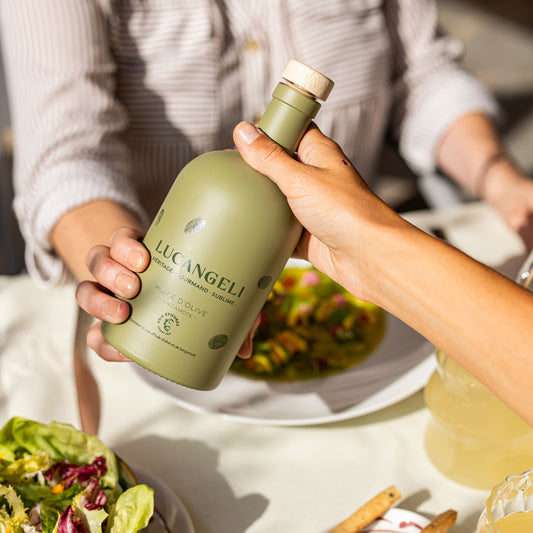
Replace the lemon juice in your usual dressing with bergamot juice, using one tablespoon for every two tablespoons of olive oil. The pairing works particularly well with:
- Rocket with parmesan shavings and fresh walnuts
- Roasted beetroot with fresh goat's cheese
- Fennel and orange salad
- Chicory with toasted hazelnuts
The slightly bitter character of the juice plays off the natural bitterness of rocket or chicory, and the floral note balances the power of aged cheeses. For a well-balanced dressing, pair bergamot juice with a ripe fruity organic olive oil whose roundness tempers the acidity of the citrus.
2. As a marinade for white fish
Mix two tablespoons of bergamot juice, two tablespoons of olive oil, a pinch of salt and a few tarragon leaves. Marinate fillets of cod, pollock or sea bass for twenty minutes before pan-frying or baking them. The bergamot marinade lifts the fish without masking its delicacy, where a classic lemon would tend to dominate. Avoid heating the juice directly for more than two or three minutes: its volatile aromas evaporate quickly. It's better to finish with it raw, drizzled over the plated dish.
3. In autumn fruit desserts
Autumn fruits — pear, quince, apple, late-season fig — go very well with bergamot. A few practical ideas:
- Pear compote with bergamot: add a tablespoon of juice at the end of cooking, off the heat, to preserve the aromas.
- Bergamot quince jelly: stir the juice in as you pot it up, once the heat is off.
- Seasonal sorbet: in a basic syrup, replace a third of the lemon juice with bergamot juice for a finer, more floral result.
The bergamot spread, Épicures d'Or 2024, can also accompany these desserts directly as a topping, doubling the presence of this rare citrus on the plate.
4. As a seasoning for grains and pulses
Bergamot brings lightness to dishes that can be heavy. On a bowl of warm green lentils, on herbed quinoa or on spelt with mushrooms, a drizzle of bergamot juice added raw just before serving is enough to transform the dish. Dose: half a teaspoon is enough for a single portion. It's not much, but the aromatic impact is real.
5. In a sauce for roast poultry
Deglaze the roasting tin from a chicken or guinea fowl with two tablespoons of bergamot juice and a little stock, then reduce until the sauce coats the spoon. This short sauce, lightly tangy and floral, needs no other citrus. It goes well with a garnish of seasonal mushrooms or roasted carrots. If you want to push the pairing further, a drizzle of Modena PGI balsamic vinegar, Gold collection over pan-fried mushrooms on the side creates a harmony between woody sweetness and floral freshness.
6. As a hot or cold drink at home
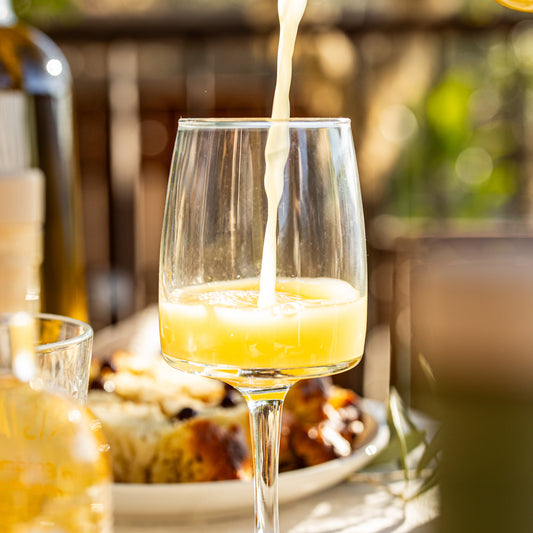
A simple but effective use for autumn evenings: dilute two tablespoons of bergamot juice in a cup of hot water with a little acacia honey. The result is like a caffeine-free citrus tea. Cold, mixed with sparkling water and a few fresh mint leaves, it makes an original homemade lemonade that breaks from the classics. The aromatic concentration of the pure organic Calabrian bergamot juice means you can go a long way with very little.

---
Pairings and doses: the rules for getting it right
Bergamot is more aromatically powerful than lemon, and its bitterness can quickly take over if you use too much. Here is a reference table of doses by use:
| Use | Dose | Notes |
|---|
Two principles to remember: bergamot juice doesn't stand up to long cooking (always add it at the end of the preparation or off the heat), and it pairs better with mild fats (ripe fruity olive oil, butter, light cream) than with very acidic, already pronounced sauces.
If you want to give someone an introduction to Calabrian bergamot in a single box, the bergamot gift set brings together juice, oil and spread to explore all three forms of this rare citrus. For restaurateurs and professionals who want to add bergamot to their menu, the professionals area offers suitable formats and help with the selection.
Finally, if it's the aromatic side of bergamot in oil that interests you, the bergamot olive oil, Épicures d'Argent 2023, is made by co-milling the fresh fruit with the olives at the moment of extraction — a radically different technique from adding a flavouring, which explains the depth and the aromatic staying power of the result on the palate.
---
Frequently asked questions
Is bergamot juice interchangeable with lemon juice in every recipe?
Not quite. Bergamot juice is more floral and slightly more bitter than yellow lemon. It works particularly well where you're after finesse rather than sharp acidity: light dressings, delicate marinades, autumn fruit desserts. On the other hand, in a recipe that needs plenty of acidity to cook or set (lemon squeezed over shellfish, for example), bergamot will be less effective. Start by replacing a third of the lemon juice to test the pairing before going further.
Can bergamot juice be used in savoury preparations without sugar?
Yes, and that's exactly where bergamot reveals all its originality. The floral note and light bitterness work very well in dressings, marinades, deglazing sauces for poultry or over roasted vegetables. The absence of added sugar isn't a problem: it's the fruit's natural profile that balances the preparation.
How long does organic bergamot juice keep once opened?
Once the bottle is open, keep it in the fridge and use it within seven to ten days. Pasteurisation guarantees the stability of the unopened product, but once exposed to air the volatile aromas — particularly intense in bergamot — evaporate gradually. If you only use small amounts at a time, the 200 ml format is better suited to limiting waste.





 lucangeli.it