


Eggplant is one of the most iconic vegetables of the Mediterranean basin. In Italy, and especially in the south of the country, it holds a central place in summer cuisine: grilled, simmered, stuffed, or au gratin, it lends itself to countless preparations. This article covers essential Italian eggplant recipes, cooking techniques, and flavor combinations that make up the richness of Mezzogiorno cuisine.
Eggplant in Italy: Origins and Varieties

An Oriental History
Eggplant — melanzana in Italian — originates from South Asia. It was introduced to Europe by Arabs during the Middle Ages, passing through Sicily and Spain. It found a particularly favorable soil in southern Italy: heat, intense sun, rich soils. From the 17th century, it became a staple in the peasant kitchens of Calabria, Sicily, and Campania, where it became a pillar of daily diet.
Varieties Cultivated in Italy
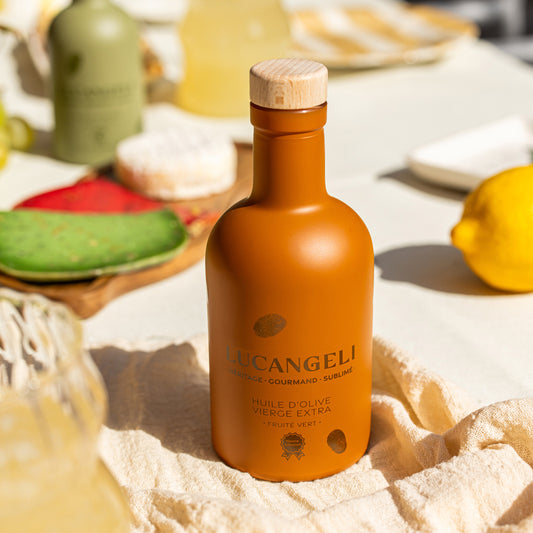
In Italy, several varieties of eggplant are distinguished by region. The elongated purple variety, the most common, is used in the majority of classic recipes. The rounder, fleshier variety is ideal for stuffed preparations. In Calabria, white or striped eggplants are also found, less well-known but highly appreciated by local cooks for their softer and less bitter flesh. Whatever the variety, Italian eggplant is distinguished by its melting texture when cooked and its ability to absorb the flavors of accompanying ingredients — starting with a good organic fruity-ripe olive oil, smooth and enveloping.
How to prepare eggplant before cooking?
Before cooking eggplant, it is advisable to drain it: cut it into slices or cubes, sprinkle with coarse salt, and let it rest for 30 to 60 minutes in a colander. This step helps to eliminate excess water and reduce the vegetable's natural bitterness. Then rinse and dry thoroughly before cooking. This technique, passed down through generations in families in southern Italy, guarantees a firmer texture and better absorption of aromas.
Great Italian Eggplant Recipes
Parmigiana di melanzane: the gratin of the south
Parmigiana di melanzane is undoubtedly the most famous eggplant recipe in Italian cuisine. Originating from southern Italy — Naples, Sicily, and Calabria dispute its paternity — it consists of layering fried or grilled eggplant slices with a homemade tomato sauce, mozzarella, and Parmesan. The whole is baked in the oven until a golden and melting gratin is obtained. To enhance the tomato sauce, a drizzle of organic green fruity olive oil, with herbaceous and slightly peppery notes, brings a beautiful freshness to the dish. Parmigiana can be enjoyed hot or lukewarm, and it is often even better the next day, once the flavors have had time to meld.
Sicilian Caponata: the sweet and sour of summer
Caponata is a Sicilian specialty made from fried eggplant, onions, celery, tomatoes, olives, and capers, all seasoned with a sweet and sour sauce of vinegar and sugar. It is a dish served cold or at room temperature, ideal for summer family meals or convivial aperitifs. The secret to a good caponata lies in the balance between the acidity of the vinegar and the sweetness of the candied vegetables. An IGP Gold Collection balsamic vinegar from Modena, with its notes of ripe fruit and its slight roundness, can bring a more refined touch to this traditional recipe. Caponata can be kept for several days in the refrigerator and gains flavor over time.
Pasta alla Norma: the Sicilian eggplant recipe
Pasta alla norma is another great classic of Sicilian cuisine. This vegetarian dish combines pasta (usually rigatoni or spaghetti) with a tomato sauce with fried eggplant, garnished with salted ricotta and fresh basil. For the sauce, the eggplants are sautéed in olive oil before adding the tomatoes. An organic basil olive oil, cold-infused with fresh basil, can advantageously replace classic oil to directly flavor the sauce. This dish alone embodies the generosity of southern Italian cuisine: simple, flavorful, rooted in the terroir.
Grilled Eggplants and Spreads: Summer Uses

Grilled Eggplant: Technique and Combinations
Grilled eggplant is one of the simplest and most delicious preparations of the Mediterranean summer. Cut into thick slices, brushed with olive oil, and passed on a grill or griddle, eggplants develop a melting texture and slightly smoky aromas. To enhance the taste, an organic garlic & chili olive oil adds character without masking the natural flavor of the vegetable. Grilled eggplants are served as a side dish with meat or fish, but also as antipasti with a few basil leaves, a squeeze of lemon, and a pinch of fleur de sel.
Spreads and Condiments to accompany eggplant
Eggplant naturally pairs with Mediterranean condiments. A black olive tapenade spread on grilled eggplant slices makes a quick and tasty appetizer. Similarly, a sun-dried tomato tapenade brings a concentrated and sunny touch that evokes the flavors of the south. For a complete Italian-style aperitif, the set of 4 tapenades allows for varied combinations and to compose a generous platter around seasonal grilled vegetables.
Pesto: an essential condiment with eggplant
Basil and eggplant form one of the most classic duos in Italian cuisine. A DOP basil pesto, prepared from Genoese DOP basil and olive oil, can be used to coat grilled eggplants as well as to enrich a tomato sauce or pasta alla norma. Just a spoonful on warm eggplant slices provides an immediately fragrant and gourmet result. For those who wish to explore several flavors of the Italian terroir, the customizable gift box allows combining oils, condiments, and spreads according to one's desires.
Eggplant is much more than a summer vegetable: it is a symbol of Mediterranean cuisine, passed down from generation to generation in families in southern Italy. Whether grilled, simmered in caponata, au gratin in parmigiana, or combined with pasta alla norma, it reveals all its richness when cooked with quality products — a good olive oil, a balanced balsamic vinegar, a generous pesto. It is this philosophy of sincere taste and respected terroir that guides the selection of Lucangeli house.



 lucangeli.it