


Sun-dried tomatoes are one of the most emblematic ingredients of Italian cuisine. Concentrated in flavour, versatile, and easy to store, they transform any summer dish into a plate full of character. But how do you recognize a quality sun-dried tomato? How do you choose, store, and best use them in summer cooking? Here's everything you need to know about this treasure of the Mediterranean terroir.
What are sun-dried tomatoes? Origins and Italian terroir

Sun-dried tomatoes were born in southern Italy, where the sun is intense, the air dry, and summers long. It was in regions like Calabria, Campania, and Sicily that this preservation technique developed over centuries, long before the advent of refrigerators. Even today, sun-dried tomatoes in olive oil remain a cornerstone of Mezzogiorno gastronomy.
An ancestral technique born under the southern sun
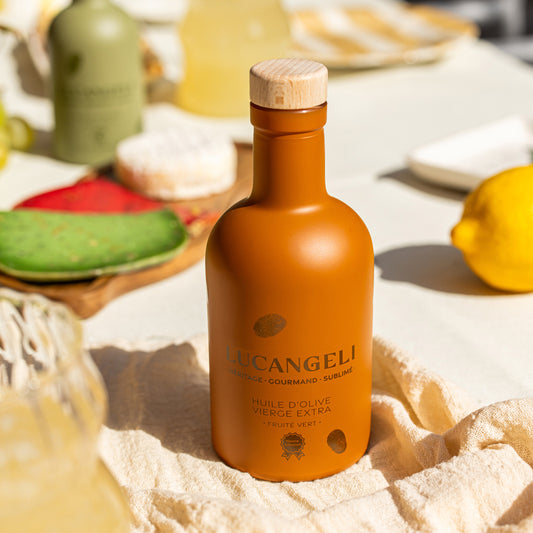
The principle is simple: ripe tomatoes, cut in half, are exposed to the sun for several days until they lose most of their water. This process concentrates the natural sugars and aromas of the tomato, giving it an intense, slightly sweet and tangy flavour. In southern Italian families, this practice was an everyday gesture at the end of summer, a way to extend the season's flavours into winter. To accompany these preparations, a fruity green organic olive oil brings the herbaceous freshness that sublimates sun-dried tomatoes.
Tomato varieties used for drying
Not all tomatoes are suitable for drying. Preference is given to fleshy, less watery varieties with thin skins and dense pulp. The San Marzano tomato, originating from Campania, is one of the most used for its firm flesh and sweet flavour. In Calabria, local varieties like the Datterino tomato or the Cherry tomato are also found, appreciated for their small size and concentrated taste. These varieties yield particularly flavourful sun-dried tomatoes, ideal for storage in a fruity ripe organic olive oil with soft and enveloping notes.
How to choose quality sun-dried tomatoes?

On the market, the quality of sun-dried tomatoes varies considerably. Between industrial products and artisanal preparations, the differences are notable in terms of taste, texture, and composition. Here are the essential criteria for making the right choice.
Criteria for an artisanal sun-dried tomato
A quality sun-dried tomato should have a deep red colour, a supple texture (neither too hard nor too soft), and a fruity, slightly tangy aroma. The ingredient list should be short: tomatoes, salt, possibly aromatic herbs. Avoid products containing preservatives, colourings, or artificial flavours. Artisanal sun-dried tomatoes often come from sustainable or organic farming, which guarantees better taste quality. For a complete aperitif, combine them with a black olive tapenade with extra virgin olive oil.
Sun-dried tomatoes in their natural state or in olive oil: what's the difference?
Sun-dried tomatoes come in two main forms. Natural (without oil): they are firmer, more concentrated in taste, and often require rehydration before use (20 to 30 minutes in warm water). In olive oil: they are already ready to use, softer, and benefit from the aromas of the oil in which they have macerated. This second option is the most practical for daily use. The preserving oil can also be reused to season salads or pasta. For a complete aperitif platter, the set of 4 tapenades allows for a variety of flavours with quality Italian spreads.
How to use sun-dried tomatoes in summer cooking?
Sun-dried tomatoes are highly versatile in cooking. They integrate well into both cold and hot dishes and provide an aromatic depth that is difficult to achieve with other ingredients.
As an aperitif and on toast
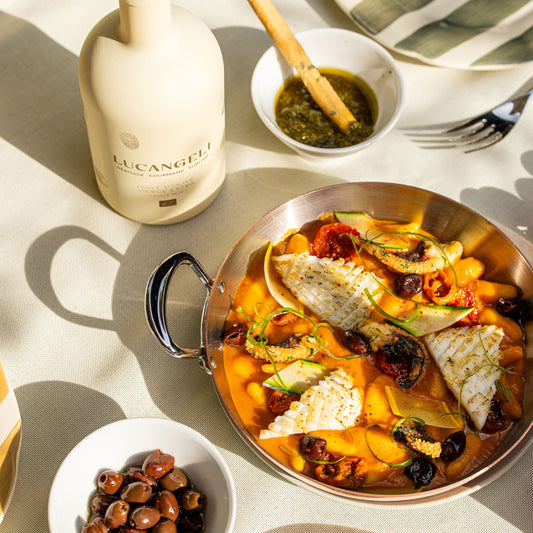
This is the simplest and most appreciated use in summer. Placed on slices of grilled bread with a drizzle of olive oil, a few basil leaves, and a dollop of fresh cheese, sun-dried tomatoes make delicious bruschetta in minutes. They also pair very well with pitted black olives in olive oil to create an Italian-style aperitif platter. Add a spoonful of DOP basil pesto for an herbaceous and fragrant touch.
In pasta, salads, and hot dishes
Sun-dried tomatoes easily integrate into many summer recipes. In pasta, they advantageously replace classic tomato sauce: sauté them with garlic, a drizzle of fruity green organic olive oil, and a few capers for a quick and flavourful sauce. In cold rice or pasta salads, they provide a sweet-tangy note that balances other ingredients. They are also used in risottos, omelettes, pizzas, or summer vegetable gratins.
Sun-dried tomato tapenade: the ready-to-use solution
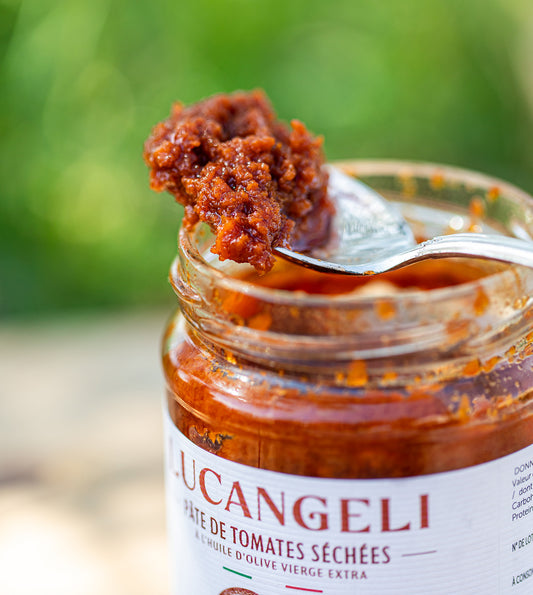
For those who want to enjoy the flavours of sun-dried tomatoes without preparation, sun-dried tomato tapenade is a practical and delicious alternative. Made from sun-dried tomatoes and extra virgin olive oil, it can be spread directly on bread, incorporated into sauces, or used as a base for quick recipes. It's also an ideal condiment to accompany grilled meats or roasted vegetables. To offer an assortment of Italian flavours, the gift box to compose allows you to combine several spreads and condiments in one package.
Italian sun-dried tomatoes are much more than a simple pantry ingredient. They embody ancestral know-how, a way of capturing the intensity of the Mediterranean sun in every bite. Well-chosen and well-used, they elevate any summer dish to the rank of regional cuisine.




 lucangeli.it