


Black Olive Tapenade: What is its Origin?
Black olive tapenade is one of the most iconic spreads in Mediterranean cuisine. Flavorful, intense, and versatile, it enhances both appetizers and cooked dishes. But where exactly does it come from, and how is it distinguished from other olive-based preparations?
A Recipe Born in Provence at the End of the 19th Century
Tapenade is a Provençal recipe, invented in 1880 by chef Meynier of the restaurant La Maison Dorée in Marseille. Its name comes from the Provençal word tapen, which means capers—one of its fundamental ingredients. From its creation, the recipe spread throughout the Mediterranean basin, adopted and adapted by the cuisines of Southern Europe, particularly in Italy, where pitted black olives in extra virgin olive oil are an ancient culinary tradition.
In France, the commercial designation "tapenade" is regulated: it must contain at least 70% black olives, 3% capers, 0.5% anchovies, and exclusively olive oil. This precise composition guarantees the authenticity of the product.
Tapenade and Olive Caviar: What's the Difference?
The terms "tapenade" and "olive caviar" are often used interchangeably, but they refer to slightly different preparations. Tapenade in the strict sense contains capers and anchovies in addition to olives, giving it a more complex, slightly salty, and umami flavor profile. Olive caviar, on the other hand, is a simpler olive purée, sometimes without capers or anchovies, with a finer texture and a milder flavor.
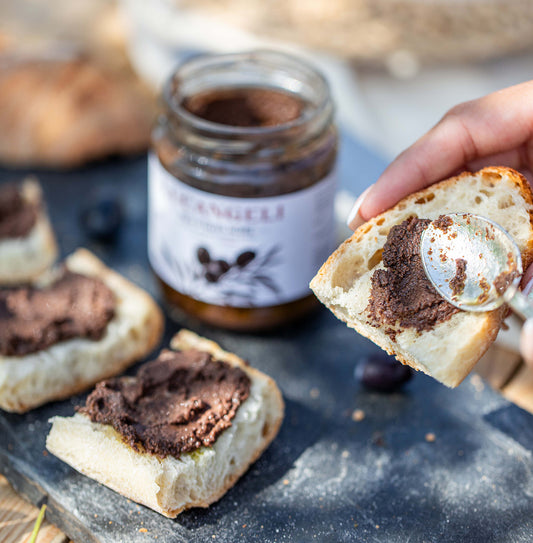
The black olive tapenade offered by Lucangeli is part of this Southern Italian tradition: selected black olives, processed with extra virgin olive oil, for a spread with an authentic and generous taste.
Composition and Quality Criteria for a Good Tapenade
Essential Ingredients
A quality black olive tapenade relies on a few simple ingredients, but their quality entirely determines the final result:

- Black olives: they form the base of the recipe. Their variety, ripeness, and preservation method directly influence the flavor. Olives preserved in organic ripe fruity olive oil provide an incomparable roundness and aromatic depth.
- Extra virgin olive oil: essential for binding the preparation and giving it its creaminess. The quality of the oil is crucial.
- Capers: they bring a tangy and slightly pungent note that balances the richness of the olives.
- Anchovies: in small quantities, they enhance the depth of the tapenade's flavor without dominating it.
- Garlic and aromatic herbs: thyme, rosemary, or oregano can complement the recipe according to regional traditions.
How to Choose a Quality Tapenade?
To choose a good tapenade, several criteria should be considered. The ingredient list should be short and clear: olives, olive oil, capers, anchovies—without preservatives or artificial flavors. The olive content must be high (ideally over 50%, or even 70% for a strict tapenade).
Opt for artisanal preparations from producers who control the entire chain, from olive harvesting to jarring. To explore different quality spreads, the set of 4 tapenades allows you to discover several flavors in one box: black olive tapenade, sun-dried tomato tapenade, and other Italian regional spreads.
How to Use Black Olive Tapenade in Cooking?

For Aperitifs: The Essential Spread
The most classic use of tapenade remains as an aperitif spread. Spread on grilled bread, crackers, or breadsticks, it makes a tasty and effortless starter. To compose an Italian-style aperitif board, pair it with cured meats, aged cheeses, whole olives, and a drizzle of organic green fruity olive oil on bruschetta.
Tapenade is also suitable for making small aperitif puff pastries: simply spread the preparation on puff pastry, roll, and cut into slices before baking.
In Cooking: Unexpected Uses
Beyond aperitifs, black olive tapenade can be incorporated into many cooked recipes:
- As a pasta sauce: mixed with olive oil and a few cherry tomatoes, it becomes a quick and tasty sauce for al dente pasta.
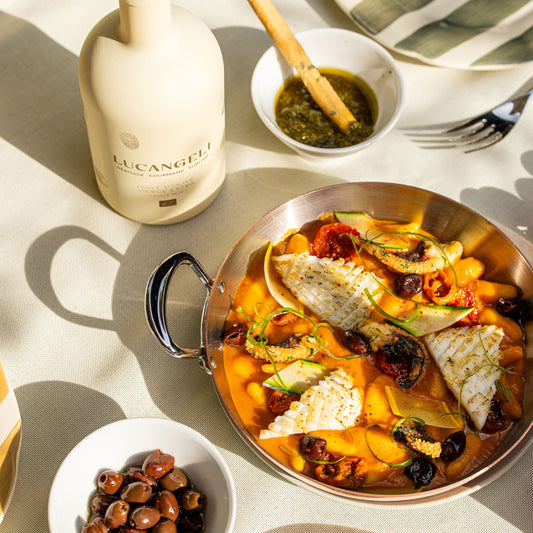
- In a marinade: brushed on a fish fillet or white meat before cooking, it adds an intense aromatic crust.
- As a tart base: spread on shortcrust pastry before adding seasonal vegetables, it advantageously replaces tomato sauce.
- In a vinaigrette: a teaspoon in an olive oil vinaigrette is enough to transform a simple green salad.
To vary the pleasures, combine black olive tapenade with PDO basil pesto for two-flavor toasts, or use them alternately on a sharing platter.
Pairings and Gourmet Associations
Black olive tapenade pairs particularly well with:
- Hard cheeses (Parmesan, Pecorino) or fresh cheeses (ricotta, burrata)
- Grilled seasonal vegetables: zucchini, bell peppers, eggplants
- White fish and seafood
- Grilled red meats, especially lamb
To offer a gourmet gift featuring Mediterranean flavors, the customizable gift set allows you to combine tapenade, olive oil, and other Italian regional treasures according to your preferences. An original idea for lovers of Southern cuisine.
Black olive tapenade is much more than just a spread: it's a concentrate of Mediterranean flavors, a versatile ingredient that deserves a prominent place in your kitchen, from appetizers to main courses.




 lucangeli.it