


What is Panzanella? Origins and Tuscan Tradition
Panzanella is a salad originating from Tuscany, known since the 16th century. Its name is believed to come from the Tuscan word panzana, which refers to soaked bread. Long considered a poor man's dish, it is now celebrated throughout Italy as one of the freshest and most flavorful summer recipes in Mediterranean cuisine.
A Recipe Born from the Art of Recycling
Originally, panzanella was an ingenious way to use stale bread — a precious resource in the Tuscan countryside. It was soaked in water or tomato juice, then seasoned with what the season offered: tomatoes, onions, cucumber, basil, olive oil, and vinegar. A local, economical, and generous recipe all at once, perfectly illustrating the philosophy of Italian cuisine: nothing is lost, everything is transformed.
Panzanella and Italian Summer Cuisine: A Living Tradition
Today, panzanella has spread far beyond Tuscany. It graces summer tables throughout Italy, and increasingly, those of Mediterranean cuisine enthusiasts in France. Its popularity stems from its simplicity and its ability to highlight seasonal produce. It is an Italian summer salad that can be prepared in minutes, but its success depends entirely on the quality of the chosen ingredients.
Key Ingredients for a Successful Panzanella

Panzanella is a minimalist recipe: few ingredients, but each must be impeccable. This is what distinguishes it from a simple mixed salad.
The Bread: What Type to Choose?
Bread is the backbone of panzanella. Traditionally, Tuscan bread is used — a salt-free bread with a dense crumb and a thick crust, which absorbs seasoning without disintegrating. In France, a slightly stale (2 to 3 days old) sourdough country bread is an excellent alternative. Avoid ordinary baguette, which is too light and too moist: it would turn into a mush upon contact with tomatoes. Some prefer to grill the bread cubes in a pan or oven to give them crispness — a perfectly valid variation.
Tomatoes and Seasonal Vegetables
Tomatoes are the soul of panzanella. Choose ripe, fleshy ones with little water: beefsteak tomatoes, ribbed tomatoes, or multicolored cherry tomatoes are ideal. In July, markets are full of heirloom varieties that bring real depth of flavor. Add half a cucumber, a finely sliced red onion, and a few fresh basil leaves. To enrich the salad, pitted black olives in olive oil add an extra Mediterranean touch, with their distinct taste and melting texture.
The Dressing: Olive Oil and Vinegar, the Real Differentiators
This is where everything comes together. A panzanella with ordinary olive oil and industrial vinegar will be bland. With quality extra virgin olive oil and IGP balsamic vinegar, it becomes memorable.
For olive oil, two profiles are available depending on your preferences. The organic green fruity olive oil, harvested early in the season, brings herbaceous and slightly peppery notes that pair perfectly with tomatoes and basil. The organic ripe fruity olive oil, rounder and softer, envelops the ingredients with a subtle creaminess. For lovers of original flavors, the bergamot olive oil, awarded at the Épicures d'Argent 2023, creates an unexpected match with summer tomatoes. If you wish to explore all three profiles, the organic olive oil trio allows you to vary pleasures according to your mood.
For vinegar, the Modena IGP Gold balsamic vinegar, dense and slightly sweet, adds depth to the dressing. The IGP Silver balsamic vinegar, more fluid and tangy, is better suited for those who prefer a lighter vinaigrette. For an even fresher version, the Modena IGP white vinegar provides a delicate acidity without coloring the salad.
Panzanella Recipe and Gourmet Variations

The Classic Recipe Step-by-Step
For 4 servings — Prep time: 15 min — Rest time: 30 min
Ingredients:
- 300 g stale country bread
- 500 g ripe tomatoes (beefsteak or multicolored cherry)
- 1 small cucumber
- 1 red onion
- 1 handful fresh basil
- 4 tbsp extra virgin olive oil
- 1.5 tbsp balsamic vinegar or white vinegar
- Salt, pepper
Preparation:
- Cut the bread into cubes about 1 cm. Soak them for 10 to 15 minutes in cold water, then gently squeeze them dry with your hands.
- Cut the tomatoes into pieces, the cucumber into dice, and finely slice the red onion.
- In a large bowl, combine the bread, tomatoes, cucumber, and onion.
- Season with olive oil, vinegar, salt, and pepper. Mix well.
- Cover and refrigerate for at least 30 minutes before serving.
- Just before serving, add the fresh basil leaves and adjust seasoning.
Variations and Ideas to Customize Your Panzanella
Panzanella lends itself to many variations. Here are some ideas to enrich it:
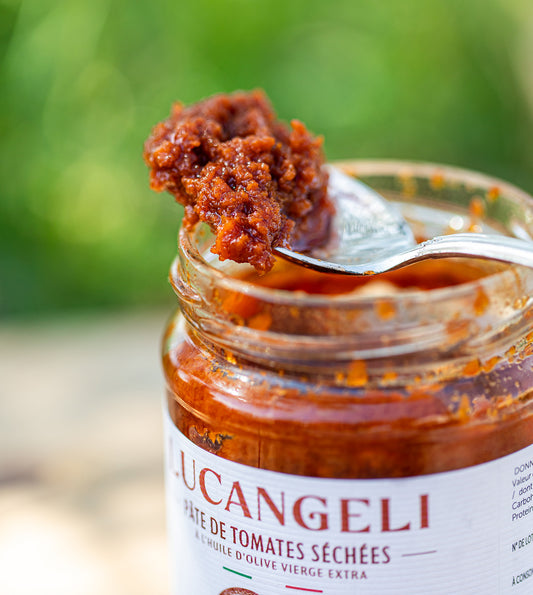
- Antipasto version: add a spoonful of sun-dried tomato spread for an intense and sunny umami touch.
- Pesto version: incorporate a spoon of DOP basil pesto into the vinaigrette for a more herbaceous and fragrant flavor.
- Complete version: add fresh mozzarella, oil-packed tuna, or anchovies to make it a main dish.
- Crispy version: grill the bread cubes in a pan with a drizzle of olive oil and a garlic clove before adding them to the salad.
Whichever version you choose, panzanella remains a generous and convivial recipe, perfect for summer meals with family or friends. Its success depends on a few things: good seasonal vegetables, characterful bread, and a worthy dressing.




 lucangeli.it