


Olives, a Millennia-Old Fruit at the Heart of Mediterranean Cuisine
The olive tree is one of the oldest trees cultivated by humans. Originally from the Mediterranean basin, it has been present in Italy for over 3,000 years. Its fruit—the olive—is both a source of precious oil and an essential table ingredient. In Italy, olive cultivation is inextricably linked to the gastronomic identity of the southern regions, from Calabria to Puglia, including Sicily.
From Olive Tree to Table: A Story of Patience
Olives cannot be eaten directly after harvesting. Due to their high oleuropein content—a naturally bitter compound—they must be processed before they are edible. This process, called debittering, involves immersing the olives in a saltwater or brine solution for several weeks, or even several months. It is this step that develops the characteristic aromas of table olives.
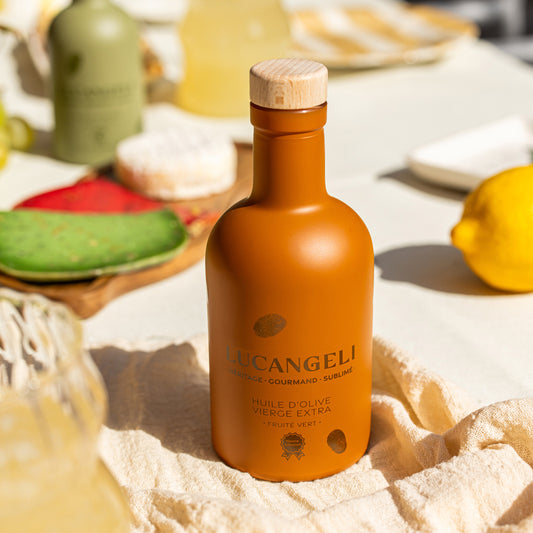
Harvesting takes place between October and January, depending on the varieties and regions. Olives destined for the table are often hand-picked to preserve their integrity. Those intended for oil production are harvested earlier, before full ripeness, to obtain a green fruity organic olive oil with herbaceous and intense notes, or later for a sweeter, rounder ripe fruity organic olive oil.
Green, Purple, Black Olives: What's the Difference?
The color of an olive does not depend on its variety, but on its degree of ripeness at the time of harvest. Green olives are picked before full ripeness: they are firmer, more bitter, and crunchier. Black olives are harvested at full ripeness: they are softer, sweeter, and fleshier. Purple olives represent an intermediate stage, with a balance between bitterness and sweetness.
This distinction is essential for understanding their culinary uses. Green olives are well-suited for marinades and sauced dishes, while pitted black olives in olive oil are used both as an appetizer and as a topping for pizza, focaccia, or pasta.
Major Italian Olive Varieties to Know
Italy boasts several hundred olive varieties, many of which are protected by appellations of origin. Each region has its own cultivars, shaped by climate, soil, and local traditions.
Varieties from Southern Italy
Southern Italy is particularly rich in table olive varieties. Among the best known are:

- Bella di Cerignola PDO (Puglia): one of the largest olives in the world, fleshy and sweet, often marinated in olive oil or stuffed.
- Nocellara del Belice (Sicily): a green olive with firm flesh and a fruity taste, very popular in antipasti.
- Carolea (Calabria): a versatile variety, used for both table olives and oil production. It yields black olives with a mild, slightly woody flavor.
- Taggiasca (Liguria): a small black olive with a delicate flavor, often preserved in olive oil and used in sauces and tapenades.
These varieties illustrate the richness of the Italian terroir. To explore this world, the set of 4 tapenades is a great way to discover different expressions of olives and Southern Italian products in a single box.
How are olives prepared and preserved?
There are several methods for preserving table olives, each influencing the final taste:
- In brine: olives are immersed in a solution of water and salt. This is the most common method, preserving texture and developing flavors.
- In olive oil: olives are preserved in olive oil, sometimes seasoned with aromatic herbs, garlic, or chili. This method is very common in Southern Italy.
- Dried: some varieties, like Gaeta olives, are sun-dried or oven-dried, which concentrates their aromas.
The quality of the oil used for preservation plays a decisive role in the final taste. A ripe fruity organic olive oil brings an enveloping sweetness that enhances olives preserved in oil.
How to Use Olives in Summer Cooking?
In summer, olives find their place in a multitude of preparations: appetizers, salads, sauces, and spreads. Their intense flavor and fleshy texture make them an ingredient of choice for outdoor meals.
As Appetizers and Antipasti
The Italian aperitivo is an institution. It relies on a selection of small, flavorful bites: cured meats, cheeses, marinated vegetables, and, of course, olives. Served as is or marinated in olive oil with garlic and herbs, olives are the basis of any successful antipasto.
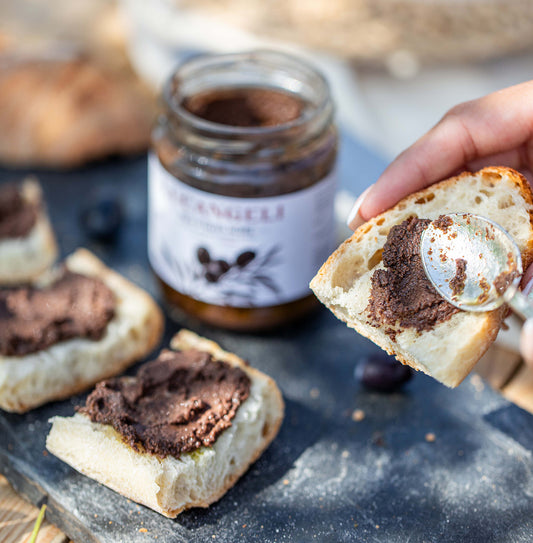
To set up a beautiful appetizer platter, combine pitted black olives in olive oil with sun-dried tomato tapenade and a PDO basil pesto on toasted bread slices. The result is generous, colorful, and rooted in Italian tradition.
In Hot Dishes and Sauces
Black olives integrate perfectly into cooked dishes. Pasta alla puttanesca—tomato sauce, capers, anchovies, and black olives—is one of the classics of Neapolitan cuisine. Olives bring depth of flavor and a slight bitterness that balances the acidity of the tomato.
They also pair very well with white meats (chicken, rabbit), roasted vegetables (eggplant, zucchini, peppers), and grilled fish. A drizzle of green fruity organic olive oil as a finish enhances the whole with freshness and character.
In Tapenade and Spreads
Tapenade is one of the most iconic olive-based preparations. Originating in Provence, it is also very present in Southern Italian cuisine in various forms. It consists of olives mixed with olive oil, sometimes seasoned with capers, anchovies, or aromatic herbs.
The black olive tapenade is ideal for topping toasts, accompanying raw vegetables, or enhancing a sauce. To vary the pleasures, the set of 4 tapenades allows you to compose a generous platter with different flavors: black olives, sun-dried tomatoes, and other spreads from the Italian terroir. For a gourmet assortment, the customizable gift box is a beautiful option to share these flavors with loved ones.





 lucangeli.it