


Summer is the ideal season for cooking with extra virgin olive oil. Mediterranean cuisine abounds with delicious summer dishes that highlight the different nuances of this essential oil. But how do you choose between a green fruitiness and a ripe fruitiness? What are the differences between these two aromatic profiles and how do you use them in cooking? Here's a practical guide to help you make the right choice for your summer recipes.
Green fruitiness and ripe fruitiness: two distinct aromatic profiles

Extra virgin olive oil is not a uniform product. Depending on the time of olive harvest and the varieties used, it can express very different aromatic profiles. The two main categories found on labels are green fruitiness and ripe fruitiness—two expressions of the same fruit at different stages of ripeness.
What is green fruitiness?
Green fruitiness is obtained from olives harvested early in the season, when their color ranges from green to greenish-yellow. These olives are pressed quickly after harvest, preserving their freshness and aromatic intensity. Organic green fruity olive oil is characterized by herbaceous, vegetal, and fruity notes—raw artichoke, fresh grass, green almond—with a slight bitterness and a hint of pungency at the end. This pungency, far from being a defect, is a sign of quality oil, harvested at optimal ripeness.
What is ripe fruitiness?
Ripe fruitiness, on the other hand, is obtained from olives harvested later in the season, when their color turns purple or black. These olives are pressed more slowly, resulting in a softer and rounder oil. Organic ripe fruity olive oil is distinguished by notes of ripe fruit, hazelnut, and sweet almond, with a lingering sweetness at the finish. Its more enveloping profile makes it particularly suitable for cooked dishes and hot preparations.
How to distinguish them by tasting?
To properly distinguish a green fruitiness from a ripe fruitiness, simply taste the olive oil directly: pour a small amount into a spoon and let it circulate in your mouth. The green fruitiness will be livelier, fresher, and more intense, with a slight pungent sensation. The ripe fruitiness will be softer, rounder, with aromas of candied fruits and nuts. To explore both profiles side-by-side, the olive oil trio is an excellent way to compare and refine your preferences.
Which olive oil profile to choose for your summer recipes?

The choice between green fruitiness and ripe fruitiness primarily depends on the type of dish you want to prepare. In summer cooking, both profiles have their place—but not in the same dishes.
Green fruitiness for fresh and vegetable dishes
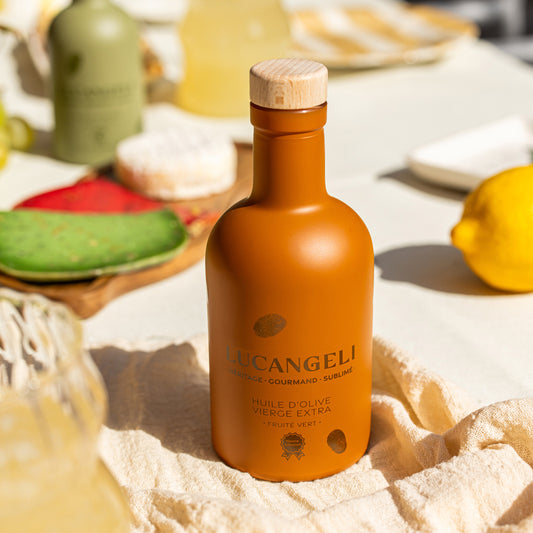
Green fruity olive oil is ideal for light and fresh summer recipes. It adds a touch of aromatic intensity to your salads, marinades, grilled vegetables, and tomato-based sauces. A drizzle of oil on a caprese salad, seasoning for a panzanella, or a finishing touch to a gazpacho: green fruitiness enhances vegetable flavors without overpowering them. The organic green fruity olive oil from Calabria, with its notes of artichoke and fresh grass, is particularly suited for these summer uses.
Ripe fruitiness for hot dishes and meats
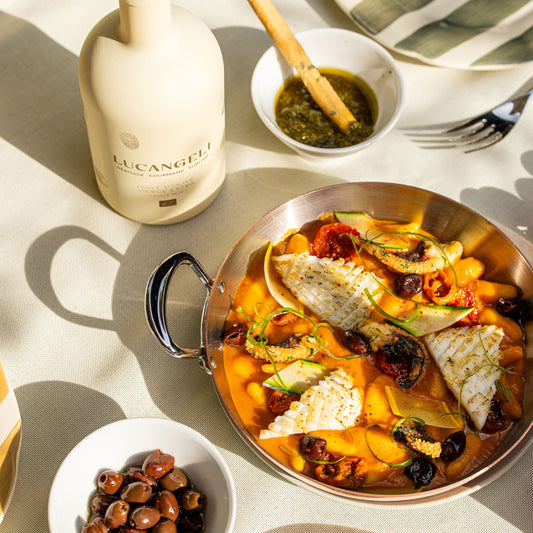
If you plan to cook hot dishes, grilled meats, or pasta this summer, opt for ripe fruity olive oil. Its softer and sweeter profile pairs perfectly with the more intense flavors of these preparations. Use it to sauté summer vegetables, season hot pasta, or drizzle over grilled fish. The 1L limited edition ripe fruity olive oil is ideal for large summer gatherings, with its generous capacity designed for everyday cooking.
What about a Mediterranean aperitif?
Olive oil is also a central ingredient in an Italian-style aperitif. To accompany a platter of spreads, opt for a green fruitiness that will add depth to the flavors. Black olive tapenade with extra virgin olive oil, DOP basil pesto, or sun-dried tomato tapenade are all accompaniments that naturally pair with a characterful olive oil. To complete the platter, pitted black olives with extra virgin olive oil add an authentic Mediterranean touch. A drizzle of Gold PGI balsamic vinegar on cherry tomatoes or burrata perfectly completes the picture.
How to choose your organic extra virgin olive oil?
Given the diversity of olive oils available on the market, a few criteria can help you make an informed choice and ensure product quality.
Quality criteria to know
To be sure of the quality of your olive oil, always check that "extra virgin" is clearly stated on the bottle. This is the highest quality level for olive oil, obtained by a first cold pressing of olives, without chemical treatment. Also prioritize organic olive oil, which guarantees the absence of pesticides and synthetic products in olive cultivation. The harvest date, often indicated on artisanal bottles, is also a valuable indicator of freshness.
Origin and terroir, essential guarantees
The geographical origin of an olive oil directly influences its aromatic profile. The Calabrian terroir, in southern Italy, is renowned for its centuries-old olive trees, sunny climate, and rich soils that yield characterful olive oils. Oils from this terroir express a particular aromatic intensity, linked to local olive varieties and traditional harvesting methods. For those who wish to discover several expressions of this terroir, the 500ml discovery duo allows you to compare green and ripe fruitiness in a generous format. An original curiosity: bergamot olive oil, an emblematic citrus fruit of Calabria, offers a unique aromatic profile, floral and slightly acidic, ideal for seasoning fish or summer salads.
How much to buy for the summer?
To fully enjoy olive oil throughout the summer season, it's helpful to anticipate your needs. 200 ml formats are ideal for discovering a new profile or for occasional recipes. For daily kitchen use, 500 ml or 1-liter formats are more suitable. For large families or passionate cooks, the 5L organic olive oil jerry can offers an economical and practical solution to never run out of quality olive oil throughout the summer.
Green fruitiness or ripe fruitiness: the choice depends on your recipes, your tastes, and the occasion. The essential thing is to choose an organic extra virgin olive oil, with traceable origin, from a terroir that gives it its character. In summer cooking, olive oil is not just a fat: it is a condiment in its own right, capable of transforming a simple dish into a memorable culinary experience.



 lucangeli.it