


Introduction
January is often synonymous with New Year's resolutions, and for many, this means adopting a plant-based lifestyle for Veganuary. Whether you're a committed vegetarian or a curious meat-eater, cooking without animal products can seem like a challenge. However, there's one essential ingredient that can help you succeed with your plant-based recipes: olive oil. In this article, we'll explain why olive oil is indispensable in plant-based cooking and give you practical tips for using it successfully.
Why olive oil is essential in plant-based cooking

The culinary properties of olive oil
Olive oil is a versatile ingredient that can be used for cooking, seasoning, and even making sauces and marinades. Its subtle flavor and nutritional properties make it an ideal choice for plant-based cooking. Extra virgin olive oil brings an incomparable richness of flavor to your plant-based dishes, while retaining its essential nutritional qualities.
Choosing the right olive oil for your vegan recipes
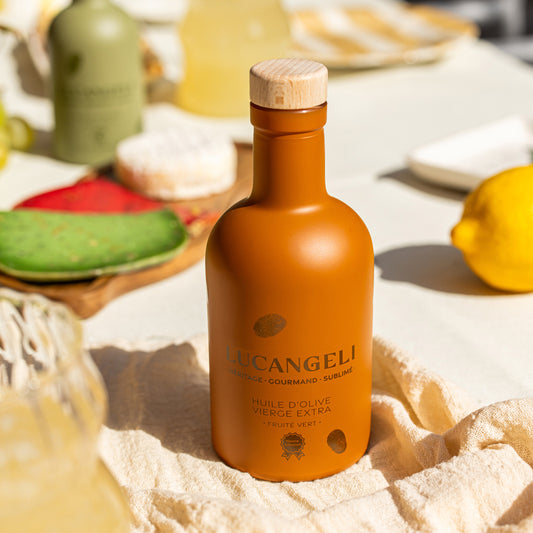
When choosing an olive oil for your plant-based recipes, always opt for extra virgin olive oil. This means it was obtained solely by cold-pressing olives, without the addition of any chemicals. Furthermore, choose a high-quality olive oil, preferably organic, to ensure you benefit from all its nutritional and flavor properties. For example, a fruity green organic olive oil offers a perfect aromatic intensity to enhance your plant-based dishes.
The different types of olive oil and their uses
There are several types of olive oil on the market, each with its own characteristics and specific uses. Organic ripe fruity olive oil, with its milder, fruitier taste, is perfect for marinades, sauces, and salad dressings. For a touch of originality, bergamot-infused olive oil offers a unique lemony aroma that pairs perfectly with vegetables and salads.
Techniques and practical tips for cooking plant-based meals with olive oil

Cooking and temperatures: best practices
Olive oil can be used for high-temperature cooking, unlike some other oils that can become toxic when heated. However, it's important not to exceed the smoke point of olive oil, which is around 180°C (356°F). Above this temperature, the oil begins to degrade and can lose its nutritional and flavor properties. For low-temperature cooking, a ripe, fruity, organic olive oil perfectly preserves its subtle taste.
Seasoning and finishing of vegetable dishes
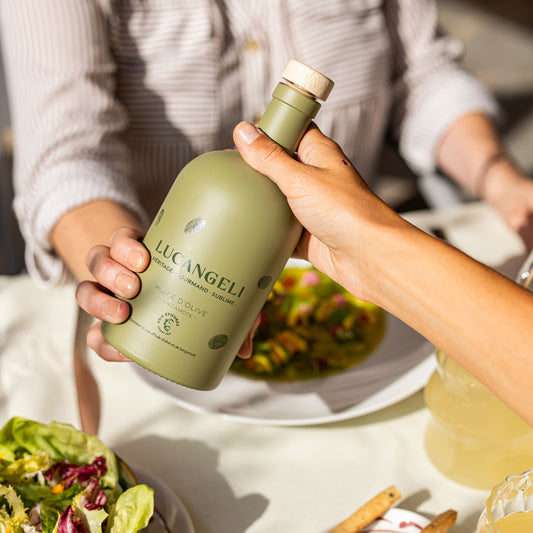
Olive oil can also be used to season and finish your vegetable dishes. For this, choose an olive oil with a more pronounced flavor, such as organic green fruity olive oil , and add it at the end of cooking to preserve its aromas. This technique allows you to retain all the rich flavors of Italian cuisine in your vegetable preparations.
Marinades and preparations based on olive oil
Olive oil is also a choice ingredient for marinades and vegetable preparations. In addition to adding flavor, it helps retain moisture and tenderness in vegetables. For a successful marinade, combine olive oil with herbs, spices, and IGP balsamic vinegar , and let your vegetables marinate for a few hours before cooking.
Recipes and creative ideas for Veganuary
Roasted and grilled vegetables with olive oil
Roasted and grilled vegetables are the perfect accompaniment to your vegetarian dishes. Simply cut your vegetables into pieces, drizzle with olive oil, and cook them in the oven or pan until tender and crispy. Try, for example, carrots and zucchini roasted in organic, fruity green olive oil for an intense and flavorful taste reminiscent of authentic southern Italian cuisine.
Homemade sauces and dressings
To complement your salads or vegetarian dishes, nothing beats a homemade sauce or vinaigrette made with olive oil. Combine organic, fruity, ripe olive oil with IGP balsamic vinegar , mustard, and herbs for a delicious and healthy vinaigrette. You can also use DOP basil pesto as a base to create original sauces.
Sublime pasta and cereals
Pasta and grains are staples in many plant-based dishes, and olive oil can elevate them. Drizzle a little bergamot-infused olive oil over your hot pasta for a touch of award-winning originality, or use a ripe, fruity organic olive oil to toast your grains with vegetables and herbs. For a successful plant-based appetizer, serve toasts topped with black olive tapenade .
In conclusion, olive oil is an essential ingredient for successful plant-based recipes. By choosing a high-quality olive oil and following these practical tips, you can add flavor and taste to your plant-based dishes for a successful Veganuary. Don't hesitate to use different varieties of olive oil and experiment with new recipes to enjoy all the benefits of this key ingredient from the Italian terroir.





 lucangeli.it